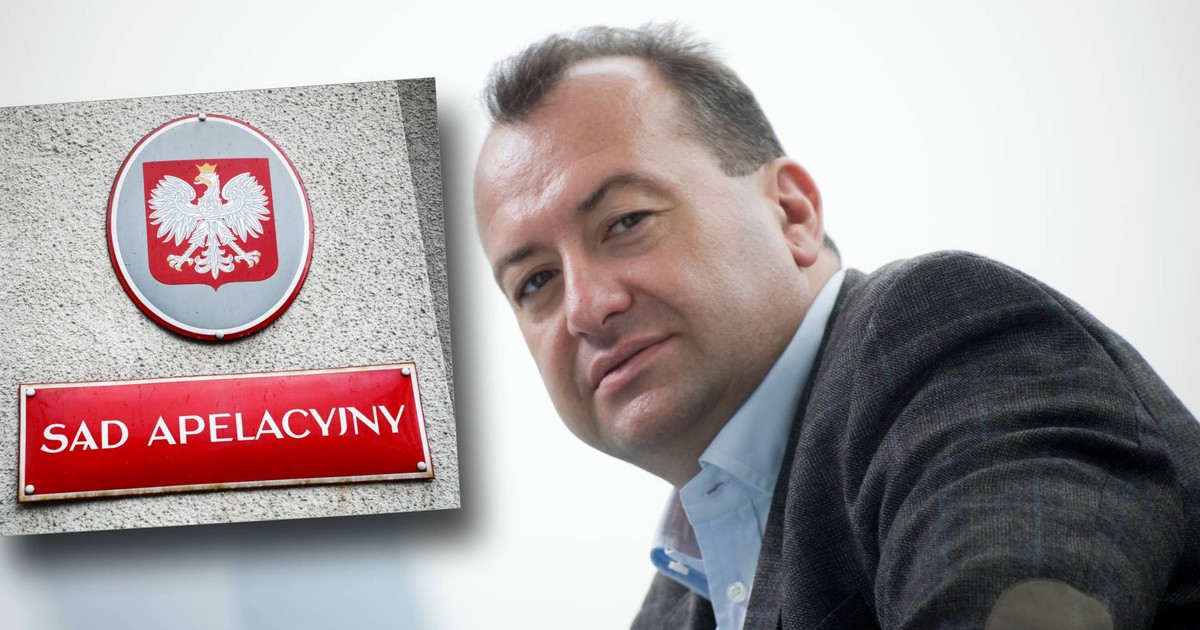
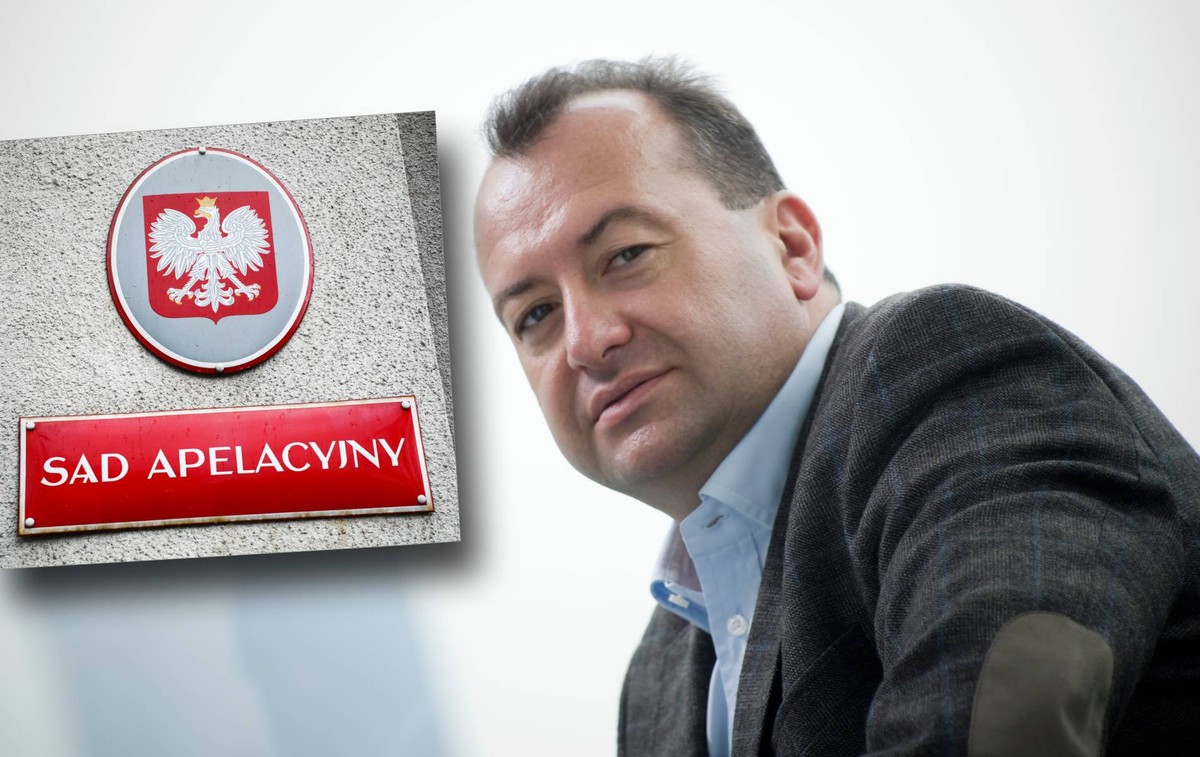
On the one hand, the Henryk Kania case is gaining new momentum, but on the other hand, the court's decision may mean freezing it for the next few years. On Tuesday, the Court of Appeal in Katowice changed the decision of the first instance court. He maintained the safe conduct, but increased the amount of the surety from PLN 8 million to PLN 20 million. Henryk Kania has until June 30, 2026 to make the payment.
Read more: Henryk Kania breaks the silence. “Ziobro's people are desperately trying to find something on me” [TYLKO U NAS]
The prosecutor's office wants to bring serious charges
Payment of such an amount would enable him to return to the country and remain free until the final conclusion of the criminal proceedings. The Silesian Branch of the Department for Organized Crime and Corruption of the National Prosecutor's Office has been conducting proceedings related to Zakłady Mięsne Henryk Kania in Pszczyna since 2019.
Henryk Kania was not charged because he has been in Argentina for six years. These are high-level charges, punishable by up to 15 years in prison. The prosecutor's office wants to accuse him of leading a criminal group (Article 258, paragraph 3 of the Penal Code), and fraud under Art. 286. 1 Penal Code), money laundering (Article 299 Penal Code), fiscal crimes (Article 56 of the Penal Fiscal Code).
Henryk Kania, however, wants to clarify what he considers to be absurd allegations, which is why he applied for a safe conduct letter.
What will Henryk Kania do?
However, the court's decision means that Henryk Kania is unlikely to return to Poland. In a recent conversation with Business Insider Polska, he said that the bail set by the Katowice District Court in the first instance in the amount of PLN 8 million is prohibitive, and if it is not reduced, then probably won't do anything.
— Personally, I don't have that kind of money. I don't really see any possibility of obtaining such funds from anyone – Kania said. As he adds, A citizen in a collision with the state apparatus and the justice system of an authoritarian state has no chance.
Now the appellate court has upheld the safe conduct, although the prosecutor's office has asked for it to be revoked. For this, it increased the bail from PLN 8 million to PLN 20 million, although in such a situation the prosecutor's office demanded at least PLN 30 million of surety. By Polish standards, this is still a very high deposit. – — The amount of PLN 20 million of the deposit is prohibitive in Polish conditions – says attorney Maciej Zaborowski. Although perhaps in the case of mortgage security, it is possible. What does Henryk Kania think about the latest court decision?
Kania: prohibitive bail serves to prolong the investigation
— I'm shocked. For me, the situation is straight out of Kafka – says Henryk Kania. — A citizen in a collision with the state apparatus and the justice system of an authoritarian state has no chance. The most interesting thing is that the appeals court agreed with the first-instance court that my arrest is still unjustified. In this situation, setting a prohibitive bail, taking into account the suspension of the extradition process, only serves the prosecutor's idea of prolonging the investigation indefinitely and perpetuating a situation in which the real perpetrators will never be held accountable. Prosecutor Głuch will survive the dangerous period of Minister Żurek's rule. The court saves the prosecutor and the entire justice system from embarrassment. But this in no way brings this matter to an end – emphasizes Kania.
And he emphasizes that he is very disappointed with the fact that the courts of both instances practically did not verify the evidence, and therefore the truthfulness of the allegations against me.
— In this situation, until the indictment is filed, I have no real means of defending myself. However, it is not known when the indictment will be issued, because my extradition proceedings may last for years. By setting a huge surety amount that I have no way of meeting, the court upheld the status quo that has been in place for over five years, he emphasizes.