Will the AI bubble burst sooner than we think? One factor is enough


The AI craze, which is driving markets and corporate spending, may end with a hard landing as early as 2026. “AI bubble” is a phrase that appears more and more often not only among analysts, but also among famous CEOs.
He also sent alarm signals, among others: Paul Dietrich, Wedbush's chief investment strategist. In his opinion valuations are “detached from reality”.
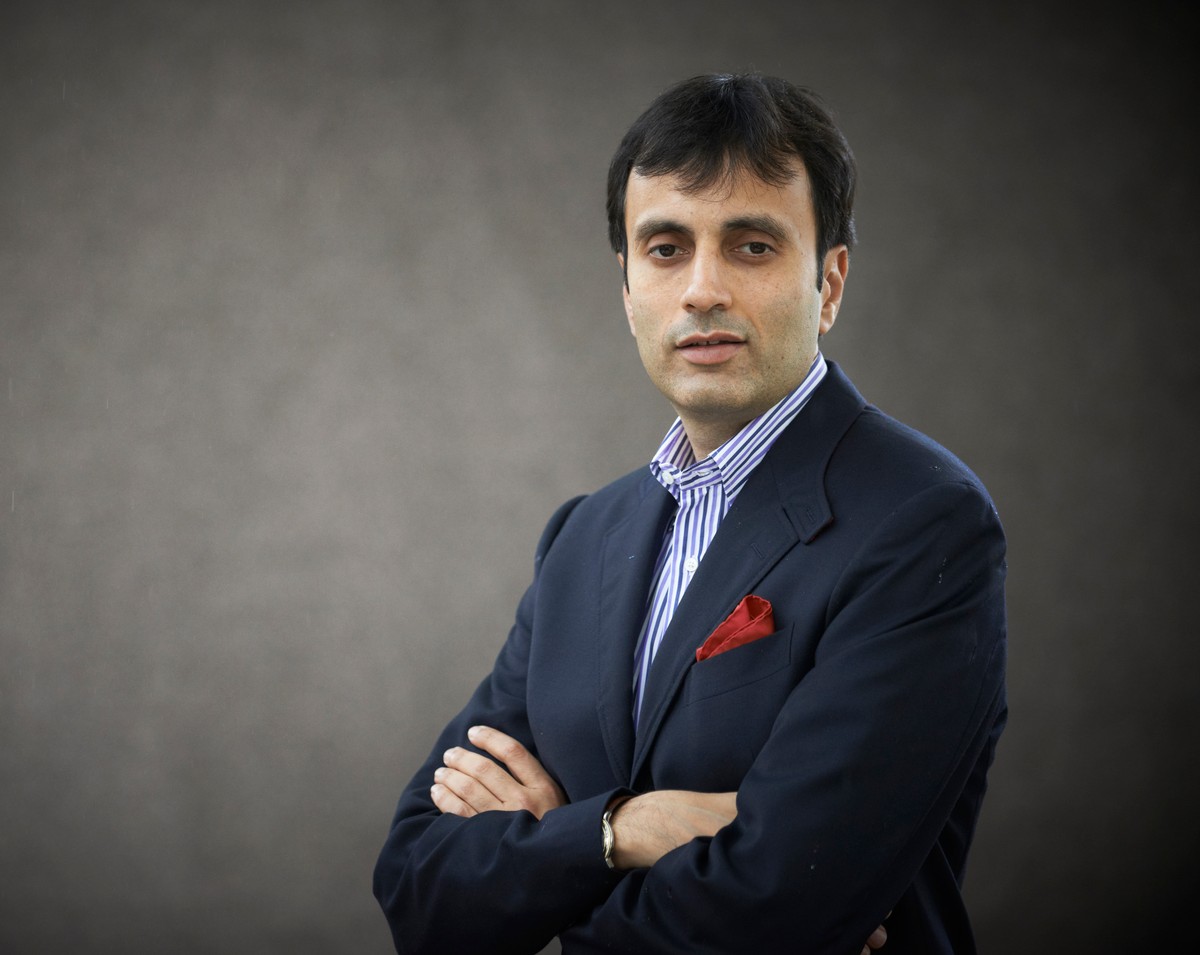
Now, renowned economist Ruchir Sharma said that the current boom in AI meets all four items on his cupping checklist.
Read also in BUSINESS INSIDER
Sharma said these words in an interview with Norges Bank Investment Management CEO Nicolai Tangen. He emphasized that one factor could lead to its collapse in 2026 — higher interest rates.
Higher rates reduce the availability of cheap capital that has fueled AI investments and put downward pressure on growth company valuations.
Sharma's Manual: “The Four O's”
To diagnose cupping, Sharma uses what he calls the “Four O's.” He argues that the AI boom is glowing red in all four categories: overinvestment (over-investment), overvaluation (revaluation), over-ownership (excessive ownership) and over-leverage (excessive leverage).
The economist said spending on AI and technology in the U.S. has grown at a rate comparable to previous bubbles such as the dot-com era. Valuations of major AI players are also approaching bubble levels when measured by long-term earnings and free cash flow.
At the same time, he says, Americans hold a record share of their wealth in stocks, and most of these transactions are related to AI.
And after years of maintaining cash-rich big tech balance sheets is now starting to issue massive amounts of debt to finance the AI arms race.
In recent months, Meta, Amazon and Microsoft have become “the largest debt issuers,” Ruchir Sharma said — a classic signal of a late-stage bubble.
The analyst estimated that approximately 60 percent US economic growth this year is driven by AI — both through companies investing in new infrastructure and through the wealth effect on the stock market, which increases spending among wealthy consumers.
Without AI, however, the underlying economy looks much weaker — which is why Sharma believes the AI trade has become so dangerously crowded.
“There are a lot of weaknesses in the U.S. economy outside of AI,” he said.
“This big bet on AI better pay off for America – because if it doesn't, I think this country is in big trouble“- he added.
See also: “We are not ready for what is coming.” The Nobel Prize winner and godfather of AI warns
Why could 2026 be a tipping point?
Sharma doesn't pretend to pinpoint an exact peak, but he says every bubble is punctured by one factor: rising interest rates.
He pointed out three conditions that are already accumulating.
Firstly inflation remains sticky and far from the Fed's 2% target.
Secondly The Fed has missed its target for five consecutive years and may soon face pressure to stop rate cuts.
Thirdly AI-powered investments sustain strong growth, which could push inflation up again.
“At the slightest sign that interest rates are going to start rising, I think that will be a signal: OK — it's over,” Sharma said.
That's because higher rates raise the cost of borrowing and depress valuations of high-growth companies — the very conditions that tend to pop bubbles.
He said he expected that that moment will likely come in 2026. — this view is shared by other experienced investors, although they indicate different time frames.
Greg Jensen, co-chief investment officer of Bridgewater Associates, said on Tangen's podcast last week that “the bubble is upon us,” without giving a date, while Mel Williams, co-founder and partner of TrueBridge Capital Partners, warned of “big damage” over the next 10 years.
“Good bubble” – but still a bubble
Sharma said that the AI boom could be a “good bubble” that will ultimately increase productivity — like previous tech manias that went overboard but left behind valuable infrastructure. However, this does not mean that investors will not be harmed.
One area he thinks could shine after a correction is “quality” stocks – companies with high returns on equity, strong balance sheets and stable earnings.
The category performed very poorly in the market during the AI craze, creating, as he put it, “the single best investment idea” heading into 2026.
The above text is a translation from American edition of Business Insider