Ukraine calls for a “real peace”, at the OSCE: “Europe has had too many unjust peace agreements in the past. All have only led to new catastrophes”

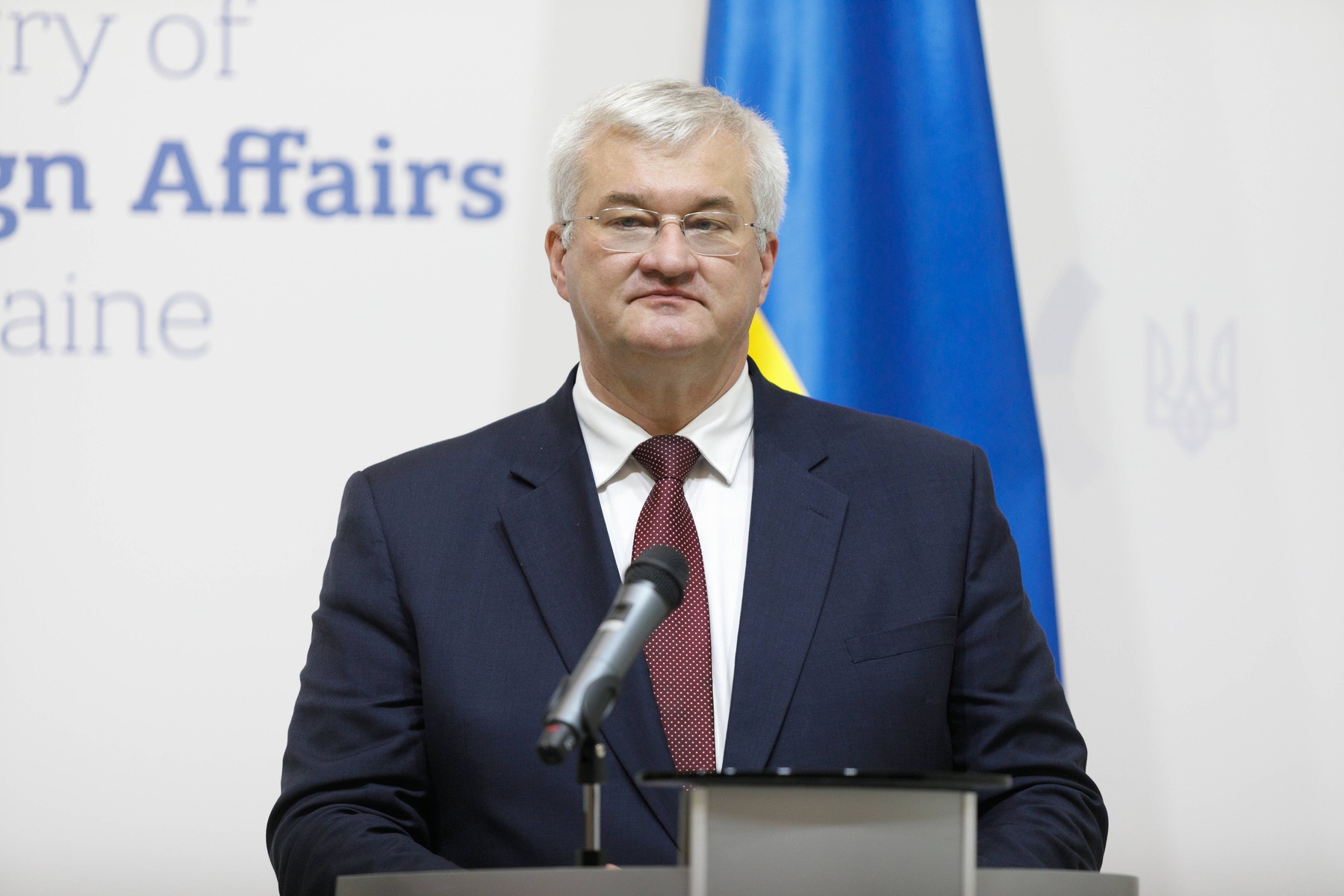
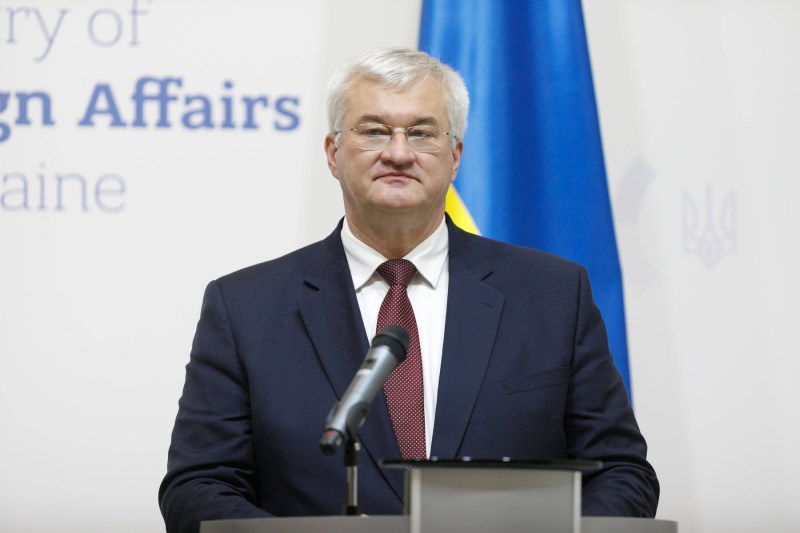
Foreign Minister Andrii Sybiha. Photo source: KIRILL CHUBOTIN / Sipa Press / Profimedia
Ukrainian Foreign Minister Andrii Sybiha told the annual meeting of the Ministerial Council of the Organization for Security and Cooperation in Europe (OSCE) on Thursday that his country wants “real peace”, not a policy of concessions to Russia, reports Reuters.
The way forward for peace talks is currently unclear, US President Donald Trump said on Wednesday after what he described as “reasonably good” talks between his emissaries and Russian President Vladimir Putin.
“We still remember the names of those who betrayed future generations in Munich. This should never be repeated. Principles must be untouchable and we need real peace,” said Ukraine's head of diplomacy at the OSCE, the security and rights body that wants a role in post-war Ukraine.
The Ukrainian official referred to the 1938 deal with Nazi Germany, when Britain, France and Italy allowed Hitler to annex the Sudetenland from what was then Czechoslovakia.
“Europe has had too many unjust peace agreements in the past. All have only led to new catastrophes,” Sybiha added, thanking the United States for peace efforts and promising that Ukraine would “use every opportunity to try to end this war.”
Ukrainian President Volodymyr Zelensky said Wednesday that his team was preparing for meetings in the United States and that dialogue with Trump's representatives would continue.
OSCE, deadlocked
The OSCE, a 57-nation body, emerged as an important forum for East-West dialogue during the Cold War.
In recent years, the organization has often been at a standstill as Russia has blocked important decisions and accused it of coming under Western control. In its statement, Moscow complained about the “total Ukrainization of the agenda” at the OSCE.
The US is now threatening to pull out, demanding reforms such as cutting the budget by more than 10% and returning the body “to its core functions”.