The lack of a clear strategy is sabotaging American peace efforts, claims the former US ambassador to NATO, Ivo Daalder

US President Donald Trump's administration's efforts to end Russia's war against Ukraine have become difficult to watch. In recent months, a rapid succession of meetings – from Moscow and Anchorage to New York, Washington, Miami, Kiev and Geneva – has been doubled by numerous informal telephone discussions between the various actors involved.
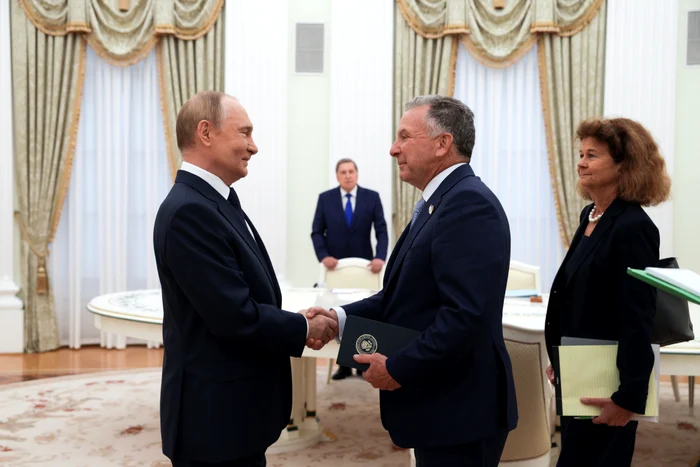
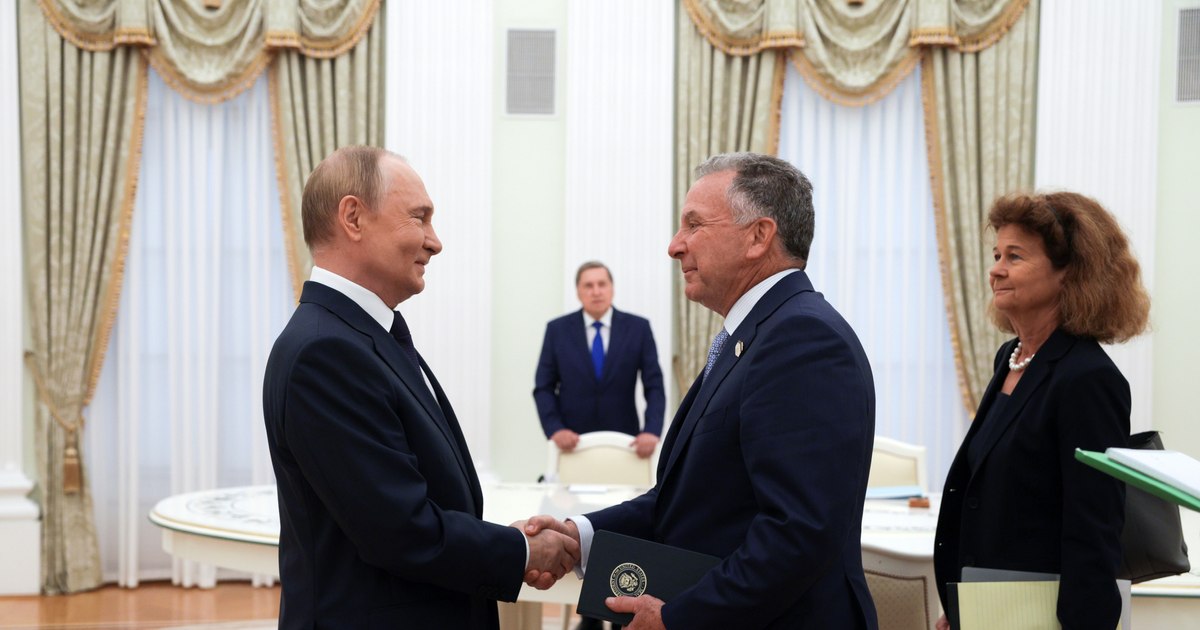
Vladimir Putin Steve Witkoff/PHOTO: EPA/EFE
According to the former US ambassador to NATO, Ivo Daalder, who expresses his opinion in an analysis published by Politico, one of the causes of the instability is the almost impossible task that Trump has set for his team: obtaining a peace agreement between two states engaged in fighting for diametrically opposed goals – Russia for subordinating Ukraine, and Ukraine for maintaining its sovereignty and independence.
Lack of a formal foreign policy process
The recent chaos – announcements of later canceled summits, changed deadlines, abandoned plans and a fluctuating list of participants in the negotiations – is, according to the diplomat, fueled by the absence of a coherent institutional mechanism in the Trump administration. Clear procedures for policy formulation, inter-institutional coordination and organized interaction with foreign governments are lacking.
Although other administrations have sometimes worked with small circles of advisers, the difference, Daalder notes, is that those advisers relied on bureaucratic structures to analyze options and implement decisions. Trump, on the other hand, runs the government in a style close to that of running a family business – through ad hoc meetings in the Oval Office, direct phone conversations and personal decisions, with wide leeway for those close to him.
Few actors, big responsibilities
On the Ukraine file, only a few people have direct access to the president: Vice President JD Vance, Secretary of State and National Security Adviser Marco Rubio, White House Chief of Staff Susie Wiles, Special Envoy Steve Witkoff and, since October, Jared Kushner. Observers note the absence of high-ranking officials, such as the secretary of defense, the leadership of the Armed Forces or the heads of the intelligence community.
Of these figures, only Rubio has a solid institutional apparatus, but there is little indication that he is systematically relying on it. Foreign diplomats say State Department and National Security Council officials are willing to work but are often not informed of behind-the-scenes developments.
Even more problematic, those most active in the Trump team on the Ukraine file operate without administrative infrastructure and standard procedures. Witkoff, for example, attended talks with President Vladimir Putin without a secretary and relying on the Kremlin's interpreter. Kushner does not hold an official position, but he still plays a central role in the negotiations. And the Minister of the Army, Daniel Driscoll, involved at the last minute, had only a few days to familiarize himself with the file before a visit to Kiev.
A negotiation marked by incoherence
The first visible signs of chaos emerged in October, when Russian Foreign Minister Sergei Lavrov handed Rubio a memorandum with proposals for ending the conflict — reiterating Moscow's old demands, such as territorial concessions, tough restrictions on the Ukrainian military and Ukraine's exclusion from NATO.
After a phone conversation in which he found the Russian position inflexible, Rubio advised Trump to cancel the planned summit in Budapest. The American president abandoned the meeting, arguing that he did not want “an unnecessary meeting”.
In parallel, however, Witkoff resumed contacts with Russian intermediaries. In a conversation with presidential adviser Yuri Ushakov, he allegedly stated that he had a “free hand” from Trump. Witkoff and Kushner soon met in Miami with Russian negotiator Kirill Dmitriev and drafted a more than 20-point draft that, according to media transcripts, largely aligned with Moscow's position.
When Rubio received the document, he described it as “a list of potential ideas,” denying that it represented an American plan. Trump, however, saw it as a viable proposal and called on Ukraine to accept the deal before Thanksgiving, prompting Rubio to reverse his position and say the document reflected a US initiative.
A struggle for validation, not a peace process
Daalder's analysis suggests that administration actors are acting not on the basis of a clear strategy, but to satisfy President Trump's desire to be perceived on the international stage as the craftsman of a peace deal. Under these conditions, he tells the diplomat, the chaos and confusion will continue. And this dynamic, however intense, does not bring a real end to the war any closer.