Ancient mazes: where to find them?
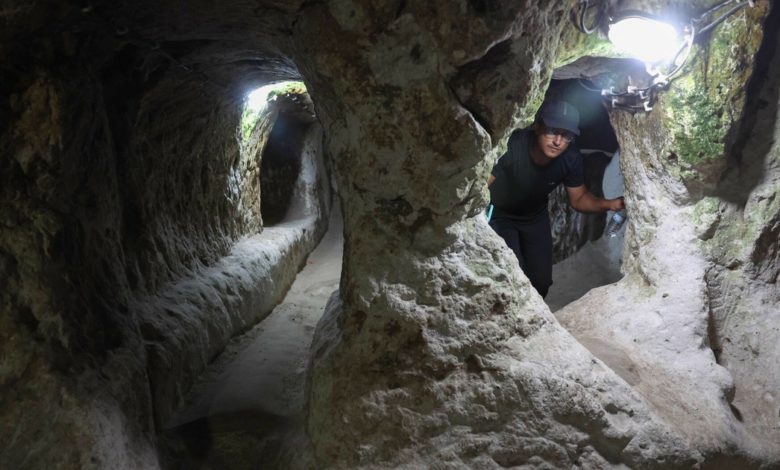
One of the most impressive examples is the complex in Derinkuyu in Cappadocia, in today's Asian part of Turkey. Discovered in the 20th century, this multi -level system, hollowed in a volcanic rock, reaches several floors deep into the earth and could accommodate up to 20,000. people with food supplies and animals. Dated to around 1,200 rpne, It is attributed to Hittites, although some suggest even older beginnings. Equipped with ventilation, wells and stone dams, testifies to advanced engineering, although the purpose of its creation – defense, cult or other use – is not fully clear.
In Western Europe, similar structures are located under the Hills of Austria and Germany. In the region of Styria and Bavaria, tunnels called Erdstalls were discovered, dated to the X-XII W. These narrow, winding corridors, often too tight for an adult, still raise many questions about their destiny. Some end with blind alleys, others seem to be nowhere, which only intensifies their mysteriousness.
There are also underground mazes in Poland. Under the castle in Książ in Lower Silesia there is a system of tunnels, some of which were created in the Middle Ages, and others could be expanded in modern timesperhaps during World War II. Older fragments, however, suggest earlier use, perhaps by the Slavs or other peoples.
Unusual acoustics of underground mazes
These tunnels are distinguished not only by history, but also with unusual acoustic properties. In Erdstallach, tight corridors and low ceilings act like natural tubesstrengthening every sound – from steps to the rustle of clothing. These echoes, reflecting from smooth rock walls, may give the impression that mysterious sounds are heard in the underground, which gives them an aura of anxiety and inspired many local stories.
In Derinkuy, the ventilation system and deep windows additionally complicate acoustics. The air movement transfers sounds from the surface deep into the tunnels, and the sounds of dripping water or distant steps diverge in a way that can confuse. Such a construction could have been purposeful – strengthening the sense of isolation and safety of residentsbut also arousing the impression of the presence of something invisible in the dark.
Similar phenomena are observed in tunnels near Edinburgh or Chester. Narrow passages and resonating chambers make even the quietest murmur repeated many timescreating an effect reminiscent of muffled voices. This acoustic phenomenon, combined with the loneliness of exploration, could have contributed to the creation of legends about whispers or ghosts inhabiting these underground spaces – which there is no shortage of European folklore.
Builders of mysterious tunnels near Europe
Who created these tunnels and why? Many believe that those in Derinkuy were a shelter against invasions – from Frygiians to later enemies. Others point to religious purposes, such as the places of worship of underground deities. In the case of Erdstalla is speculated about defense, storage or ritual functions – Perhaps associated with pagan beliefs from the Christianization of these areas.
In Ireland, tunnels under the Tara hill are combined with Celtic mythology. Tara, once a political and spiritual center of ancient Irish, hides corridors that led to the world of “Sidhe” in legends – mythical beings from folklore. Although archeology does not confirm these stories, the existence of tunnels provokes questions about their true purpose.
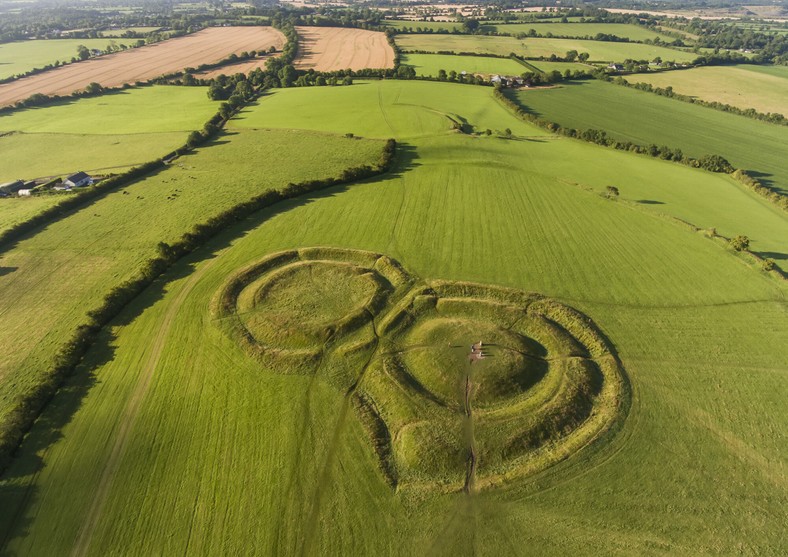
Tara hill
One of the most mysterious places of underground Europe is the Hypogeum Ćal Saflieni in Malta. This structure forged in the rock, reaching the neolithic era (about 4000 rpne), is the only known prehistoric underground sanctuary in the world. Consists of three levels of corridors, chambers and chapelsof which the deepest reaches 10 m underground. Particularly interesting is the so -called The chamber of the oracle, where thanks to the unique acoustics, each sound takes on a deep, resonating tone. Some researchers suggest that this may have been related to sound rituals.
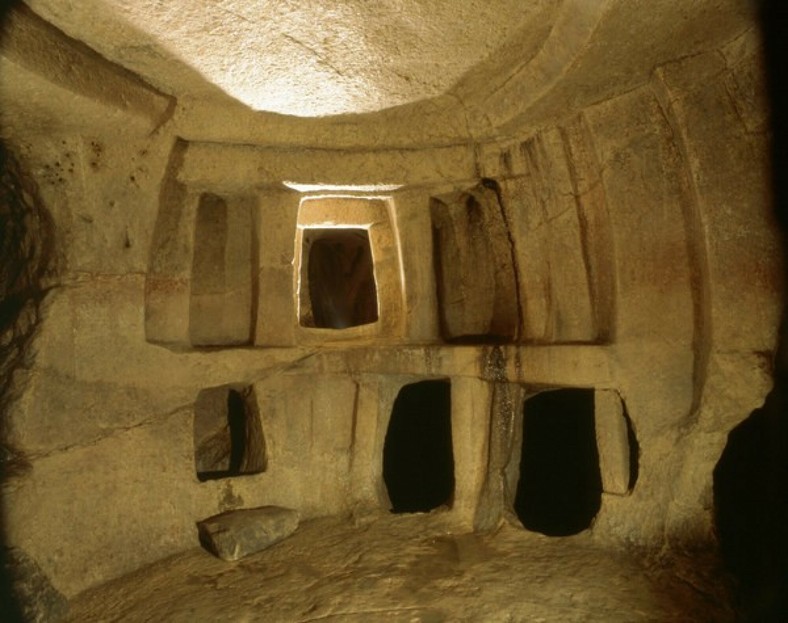
Malta, Saflidy
In Poland, tunnels under the Książ could play various roles – From medieval hiding places to warehouses or war shelters. Their variety indicates that the builders adapted them to local needs, although the lack of documentation makes it difficult to fully understand their intentions.
Secrets of builder techniques and mysterious purpose of tunnels
Tunnels amaze with the level of advancement. In Derinkuy, precise ventilation channels and water drainage systems testify to knowledge beyond the primitive tools of the Bronze Age. In Rome, catacombs combine the simplicity of early Christian tombs with extensive corridors networks that could serve as hiding places during persecution.
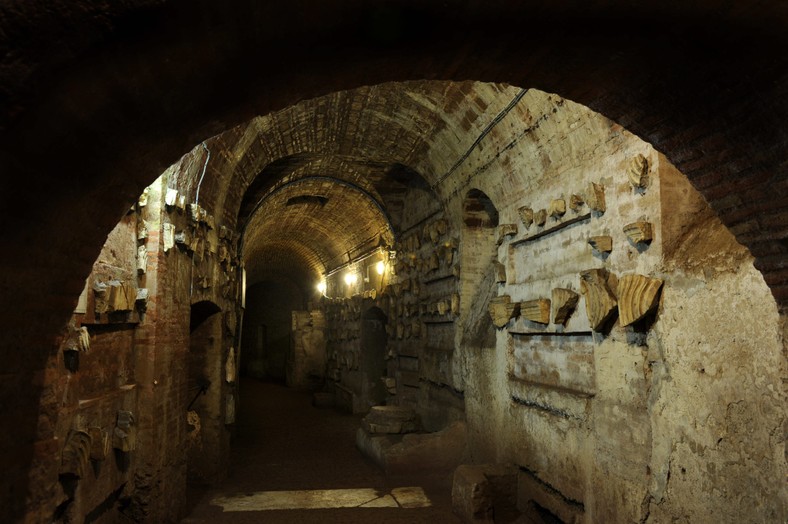
Catacombs in Rome
However, the existence of not all tunnels has a clear explanation. In Bavaria and the Czech Republic, passages were found that they seem not to lead anywhere. Their construction required huge effort, but they lack traces of use – neither as warehouses or shelters. Were these unfinished projects or maybe something that we no longer understand?
Tunnels have always been inspired by stories. In the Middle Ages, it was believed that they were inhabited by ghosts, demons or guard hidden treasures. In Germany, they were called the dungeons of the gnomes, which reflects the feelings of their mysterious nature. Nowadays, they attract explorers and researchers who are trying to separate facts from myths.