

New orders in German industry in October 2025 after taking into account seasonal and calendar factors increased by 1.5 percent month to month — Destatis informed.
This result is much better than forecasts assuming a rebound of 0.3%. after weak September data, when the initial increase was 1.1%, but now it has been revised upwards to 2%. However, year-on-year, orders decreased by 0.7%. , although it is still a much shallower decline than 3.4%. recorded in September.
The effect of defense orders
“The monthly growth of 1.5% m/m was the result of a strong increase in domestic orders by 9.9%, with a decline in foreign orders by 4.0%, mainly from outside the euro zone (-6.5%), while orders from the euro zone were stable (+0.1%). On the economic side, growth was recorded in the categories of capital goods (+4.9%), with declines in orders for intermediate and consumer goods,” they commented. economists of ING Bank Śląski.
They added that in terms of sector breakdown, strong growth was recorded in metals production, while other sectors (chemicals, computers and electronics, cars and car parts) recorded month-on-month declines. They assessed that the increase in orders could be related to armaments needs.
“It looks a bit as if the bottom has been reached,” said LBBW bank economist Jens-Oliver Niklasch, adding that the efforts of Chancellor Friedrich Merz's government may be bearing fruit.
Merz has announced a massive increase in defense and infrastructure spending to revive the economy, although he has faced criticism that the campaign has been too slow.
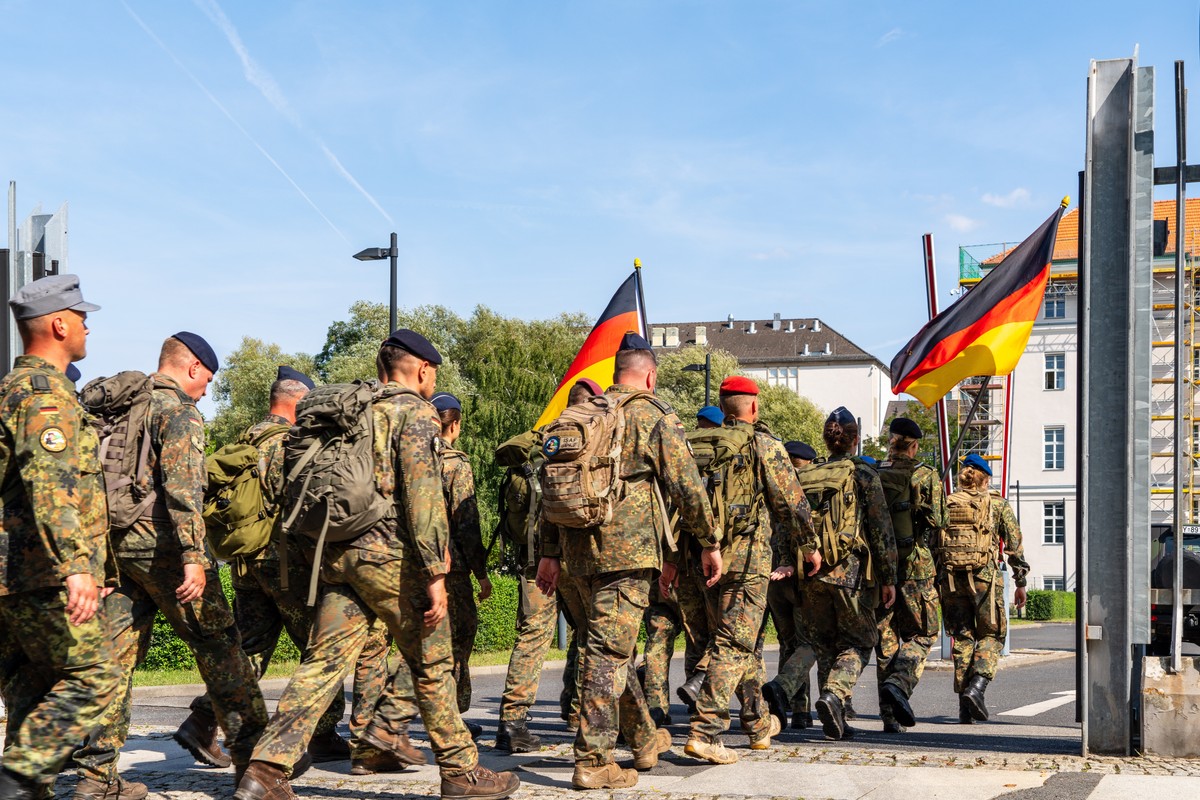
The increase in the October reading of industrial orders was driven by an 87 percent increase in large orders in the transportation equipment category, which includes planes, ships, trains and military vehicles, according to Destatis data. The Economy Ministry said it occurred “in the context of defense procurement,” without providing further details.
Domestic orders rose nearly 10 percent, but foreign orders fell four percent, highlighting a turbulent geopolitical situation marked by U.S. tariffs.
The German economy has a long road to recovery
Despite the upbeat data, Niklasch warned that “we still have a long way to go before we have reasons for real optimism,” adding that “the overall mood is very gloomy.”
The government forecasts modest growth of 0.2 percent this year. , before the economy gains momentum in 2026. Germany is a key recipient of Polish exports and at the same time a country responsible for a significant percentage of our GDP. According to the latest available data, Germany's GDP increased by 0.3 percent in the third quarter.


