Georgia's ruling party threatens the BBC with court after the station reported on the use of chemical weapons against protesters in Tbilisi


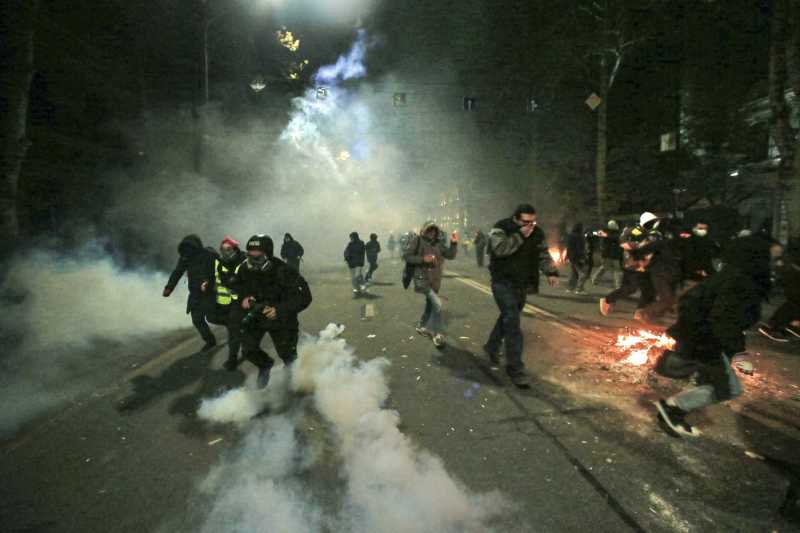
Protests in Tbilisi. PHOTO: Zurab Tsertsvadze / AP / Profimedia
The ruling party in Georgia, the Georgian Dream, threatened the British station BBC with court on Monday, after it published a report in which it states that the Georgian law enforcement forces used a chemical weapon last year to disperse anti-government protests, AFP and DPA agencies report, quoted by Agerpres.
In a statement released on Monday, the Georgian Dream party denounces the BBC's “absurd and false claims” and threatens to “take all available legal means” to hold it accountable.
According to the British station – threatened with court in a separate case by American President Donald Trump for editing his speech -, the Georgian authorities allegedly used “a chemical weapon dating back to the First World War”, an incapacitating gas called camite, which causes burns, coughing and vomiting.
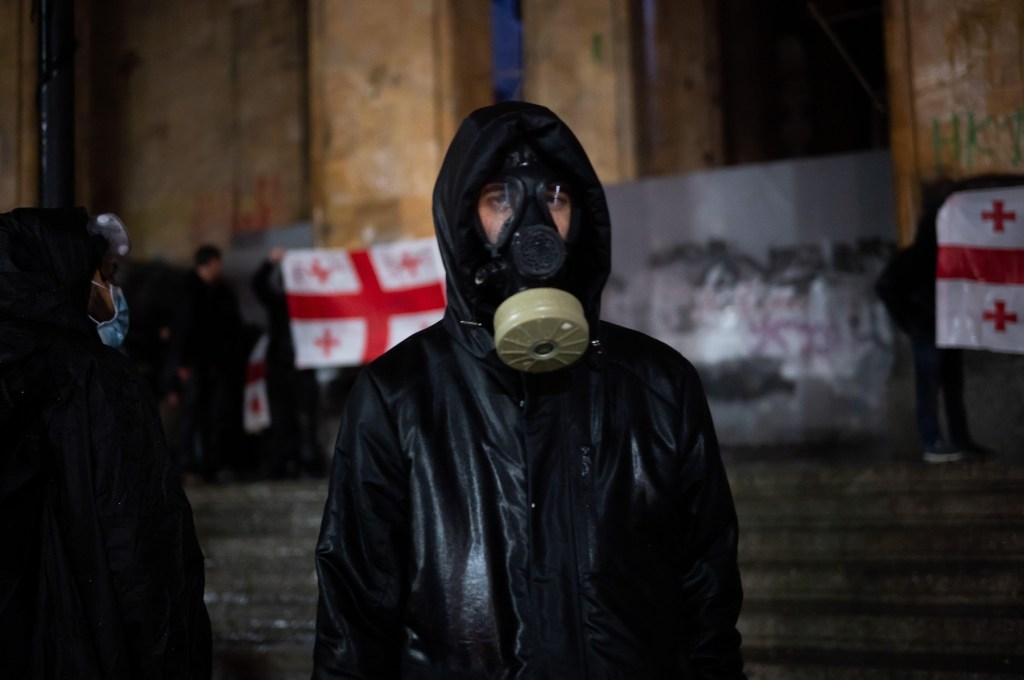 Georgian government accused of using World War I chemical weapon to quell massive pro-European protests
Georgian security services announced that they had launched an investigation to establish what information the BBC relied on and to assess its “relevance and credibility”.
For its part, the BBC defends itself by saying that its report “includes evidence from several sources, both inside and outside the country”, including “direct testimonies of protesters, several whistleblowers, UN experts and Georgians, as well as a medical study and written documents and reports”.
The Georgian opposition, supported by Brussels, Western European states and the former administration of American President Joe Biden, regularly holds street protests, some violent, and does not recognize the result of the legislative elections held a year ago and won by Prime Minister Irakli Kobahidze's Georgian Dream party. The latter accuses the opposition and the EU of seeking to remove him from power in order to open a second front against Russia in Georgia.
Protests have intensified since the end of last year after the Tbilisi government suspended the EU accession process, a process that had already been frozen by the European Commission, which accused Kobahidze's government of authoritarianism and closeness to Russia, after Georgia passed a series of laws criticized by the West, including one anti-LGBT and another that forces NGOs to disclose their funding received from abroad.