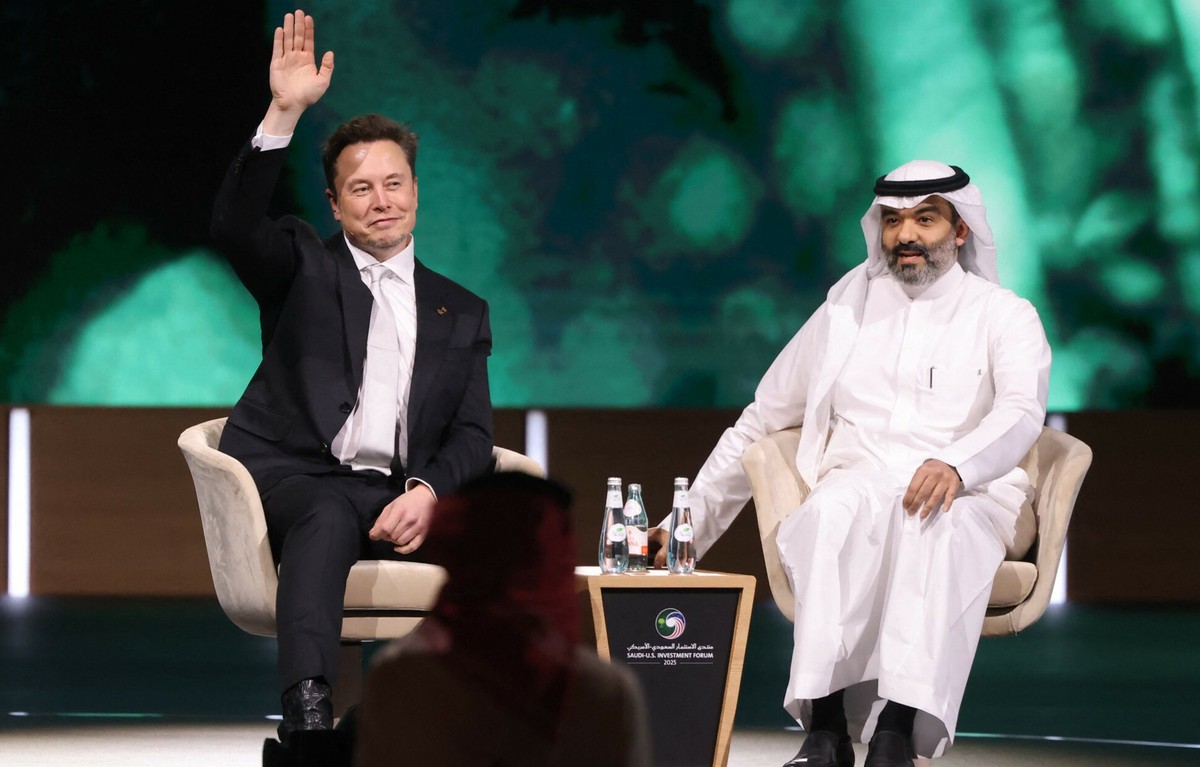
According to Musk, traditional tools – spending cuts, tax increases or a gentle pace of economic growth – are not enough to cope with such a load.
“Really, the only thing that can solve the debt problem is AI and robotics,” says the billionaire.
The next part below the video:
The mechanism Musk is sketching is based on a radical leap in productivity. Mass implementation of AI systems and robots would cause the economy to produce goods and services much faster than the money supply increases. In such a scenario, prices will start to fall, i.e. deflation will occur. According to Musk, it is the deflationary effect of gigantic automation that could reduce the burden of public debt in relation to the size of the economy.
Elon Musk: we have a long way to go
Musk admits that we are still far from that point. Companies, especially technology ones, are investing billions of dollars in generative AI, but hard data showing a clear increase in work efficiency is still lacking.
Despite this, the head of Tesla and SpaceX puts forward a very bold thesis. According to him, three years will be enough for AI and robotics to allow the increase in the production of goods and services to outpace inflation and begin to noticeably relieve the burden on the economy.
Such optimism contrasts sharply with economists' cautious forecasts. The Penn Wharton Budget Model team estimates that the impact of generative AI on the rate of productivity growth in the coming years will be rather limited. According to their analyses, the biggest impulse will appear only in the early 2030s, and in the record year 2032. AI will add approximately 0.2 percentage points to annual productivity growth. This means that artificial intelligence can permanently increase GDP and make it easier for public finances to deleverage, but not at the pace that Musk suggests.
There is also the question of how the benefits of this increase in efficiency will be divided.
Greater efficiency and what's next?
The scenario in which automation actually helps pay off debt assumes that greater productivity will not only translate into capital gains, but also on higher wages, stable demand and sound fiscal policy. Without this, even the most spectacular AI advances may improve the results of some corporations, but not solve the problem of high public debt.
For now, Musk's vision is a futuristic scenario, not an action plan for the coming years. However, his statement clearly shows how strong the belief of part of the technology world is today that artificial intelligence will not only change the labor market, but may also become a key tool in the fight against the biggest macroeconomic challenges – including the growing national debt.