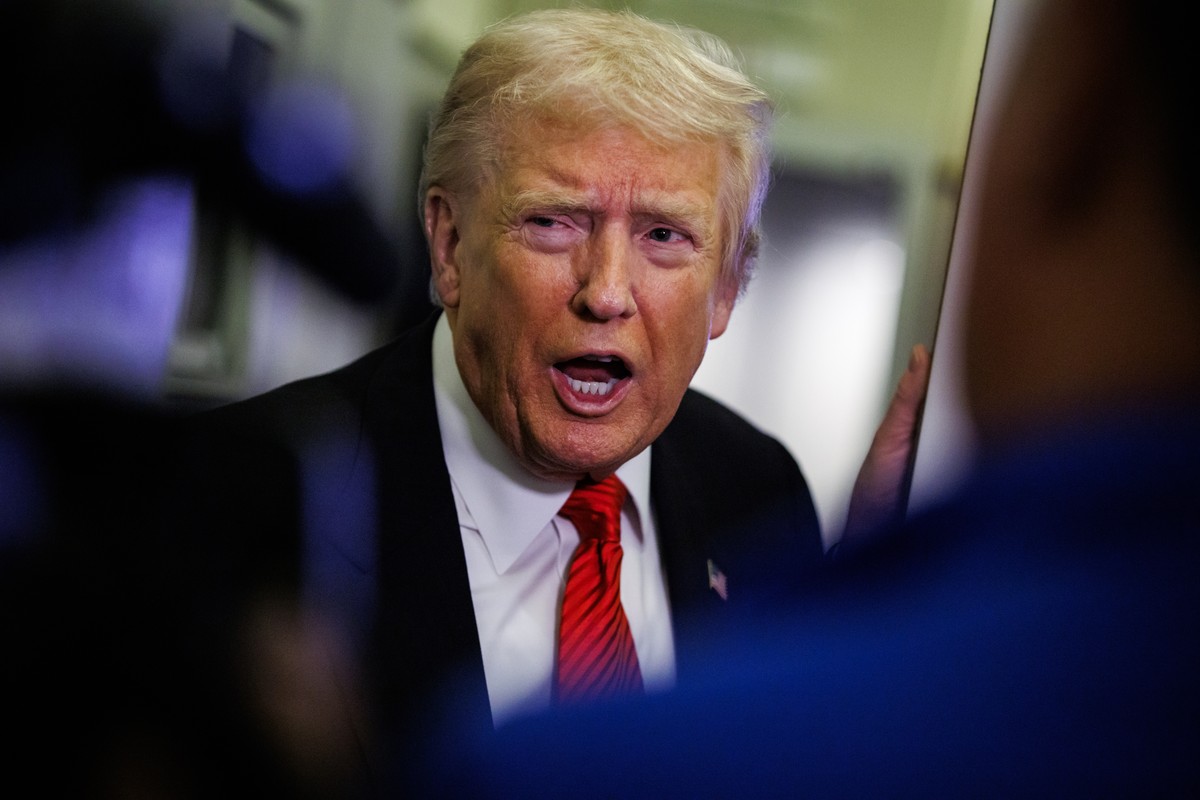
The plan included, among others: handing over the entire Donbas to Russia, de facto recognizing the annexation of Crimea, refraining from holding perpetrators of war crimes accountable and ruling out further NATO expansion.
These proposals were perceived as extremely beneficial to Moscow and close to its political demands. In Kiev, they raised fears that Ukraine would be forced to choose between losing U.S. support and losing its dignity — a point made clear by President Volodymyr Zelensky.
Read also: There are new data on Polish GDP. A positive surprise
The rest of the text below the video
After the plan was published, there were signals that the US expected Ukraine to respond by November 27, threatening to withhold military and intelligence assistance.
Ultimately, however, Washington withdrew from this ultimatum, and the document was modified during the talks between the US and Ukrainian delegations in Geneva. Of the original 28 points, 19 are to remain, and the most controversial issues – mainly territorial – are to be discussed in a direct conversation between Donald Trump and Volodymyr Zelensky. The date of a possible visit of the Ukrainian president to the USA is also being determined.
Steve Witkoff is scheduled to travel to Moscow on Monday to present a revised version of the document to Russia. However, the Kremlin signaled that will not support the plan if it does not reflect the “spirit and letter” of Putin's talks with Trump during the meeting in Alaska.
Read also: Peace plan for Ukraine. Donald Trump referred to the corruption scandal
The original version also included a point regarding Poland – assuming the deployment of “European fighters” on its territory, which sparked speculation about the possible withdrawal of US troops. However, this provision was removed in the latest version of the document.
Poll results: this is how much Poles trust in the actions of Donald Trump's administration
The SW Research survey asked respondents about the impact of the plan's disclosure on their trust in Donald Trump's administration. 13.2 percent declared an increase in trust, 36.5 percent assessed that their trust decreased, 35.7 percent claims that nothing has changed, a 14.6 percent admitted that didn't hear about the plan.
Przemysław Wesołowski, president of SW Research, pointed out that a loss of trust is more often declared by men (41%) than women (32%).. Confidence also decreases with age – from 23 percent among people under 24 years of age to 47 percent among respondents over 50 years of age. The plan is also more critically assessed by people with basic vocational education (48%) and residents of cities with a population of 200,000 to 499,000. inhabitants (52%).
The disclosure of the peace plan not only became the subject of international tensions, but also significantly influenced the assessment of Donald Trump's administration among Poles.