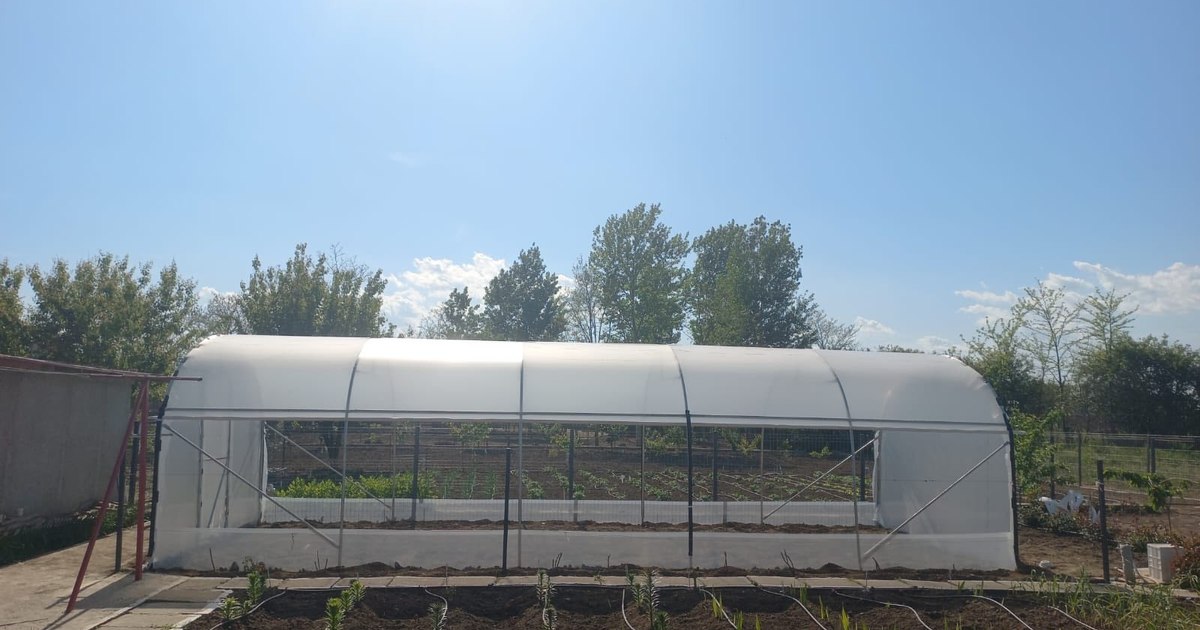
Solar farming has become a strong trend in Romania: more and more Romanians grow their own vegetables, seasonal fruits, exotic plants or even banana trees in their own gardens, in solariums.
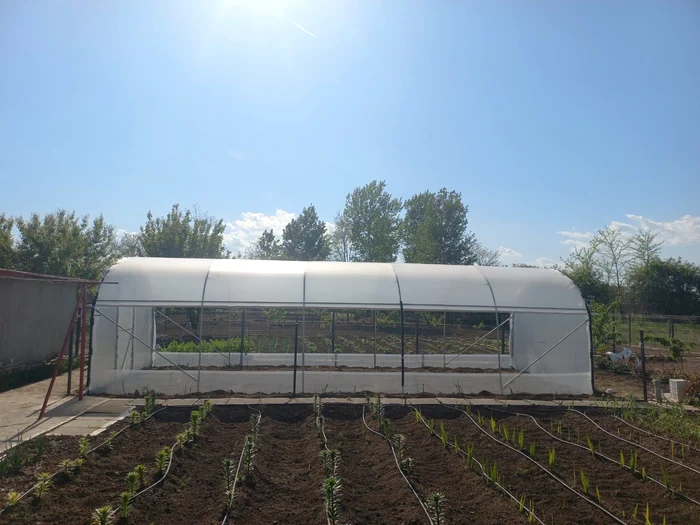
6-% of tanning bed buyers are young people. Photo Bacas Farm
Interest exploded after the pandemic, and today 6 out of 10 tanning bed buyers are young people, aged between 28 and 45, according to data from a professional tanning bed manufacturer.
Moreover, the potential for small-scale agricultural production is huge. According to official data, Romania has the largest number of farmers in the European Union – almost 3.5 million – and 90% of them own small farms of less than 5 hectares.
And the trend is growing: only in recent years, the demand for tanning beds has increased 4 times compared to 2019, experts say, especially with the move of more and more young people to the countryside and their desire to consume organic products and have a healthier lifestyle.
“Romanians have become more and more concerned about solar farming, especially because many have moved to the countryside in recent years. The interest has increased with the pandemic and has been maintained, especially among young people who work remotely or as freelancers. For them, solar farming is a hobby and a source of their own consumption. Now we receive more and more orders from young people and families with small children, who want fresh and especially healthy vegetables, without chemicals.
If before the pandemic the main customers were over 60 years old, now most of them are young people between 28 and 45 years old. And in the last 10 years we have seen more and more farmers growing premium crops and exotic plants in Romania. The potential is infinite, according to official data, Romania is the country with the largest number of farmers in the European Union, almost 3.5 million, and 90% of them own small farms of less than 5 hectares”says entrepreneur Răzvan Pătrașcu.
What Romanians grow in their own solariums
For family production, the most popular crops are:
• Spring / autumn: tomatoes, cucumbers, peppers
• Winter: lettuce, spinach, radishes, green onions
• New crops that appeared in the last decade: strawberries in the solar system, table grapes, blueberries, raspberries, kiwi and even various species of banana trees (especially in Oltenia and Banat)
• Traditional: flowers grown in solariums, a still strong segment in Romania
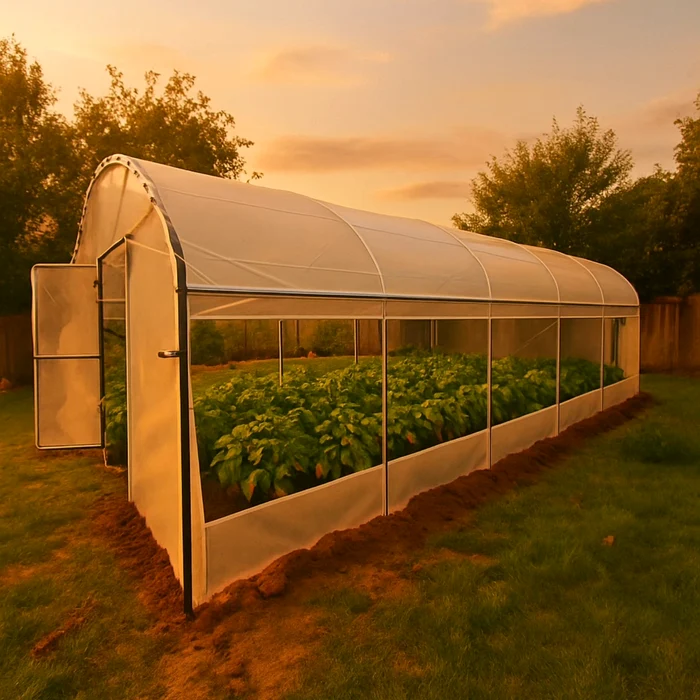
Photo Bacas Farm
“Solar-grown strawberries are a very prosperous business, although by no means easy. We see more and more new initiatives, including table grapes grown in solariums – a relatively new practice for Romania, but with excellent results. In areas with a milder climate in the south, such as Oltenia and Banat, blueberries, raspberries, kiwi and even decorative plants from various banana species have started to appear. And the cultivation of flowers in solariums remains a strong tradition, maintained for many years“, says the entrepreneur.
A new generation of people interested in self-production
Those who invest in a solar today are professionally active, many work remotely, come from fields such as IT, engineering, banking, consulting or creative industries and choose to move to the house in peri-urban or rural areas. Their main motivation is access to healthy food and total control over how the vegetables eaten by the family are grown. For families with young children, the solarium becomes an investment in health and a constant source of clean products.
In 2020-2021, when uncertainty and travel restrictions have had a major impact on lifestyles, demand for tanning beds has increased by more than 40% compared to previous years. Since then, the trend has not only been maintained, but continues to grow annually.
How much Romanians invest in a professional solarium
Agriculture has become a trend that continues. Romanians who want to produce vegetables, fruits or plants are looking for professional tunnel-type solariums or with vertical sides, with galvanized structure and openings between 4 and 8 meters. Customers mainly opt for solariums between 50 and 200 m2, ideal for family production. Models with high height, automatic ventilation and modern temperature control systems are also gaining popularity.
Most solariums are ordered by Romanians from rural areas in the counties of Oltenia, Muntenia, Dobrogea and Moldova. The average investment in a fully equipped solar is between 3,500 and 12,000 lei, to which 400-1,500 lei can be added for automatic irrigation systems. In total, a family invests between 5,000 and 15,000 lei in the first year of garden farming, including solar, seedlings, supplies and irrigation.
Hobby solariums are disappearing. Professional solutions are gaining ground
Complex automations – ridge ventilation, weather stations, fertigation systems (an agricultural technique that consists in the simultaneous application of water and fertilizers through the irrigation system, being an effective method to deliver nutrients directly to the roots of plants) – are especially effective for areas over 5,000–10,000 m2. For family solariums, programmable irrigation systems and side ventilation with gear motors are the most affordable and efficient.
Hobby solariums made of wood or with green foils deteriorate in 1-2 years. Romanians prefer professional solariums, made of galvanized structure and triplastrated foil, with a lifespan of over 20 years.