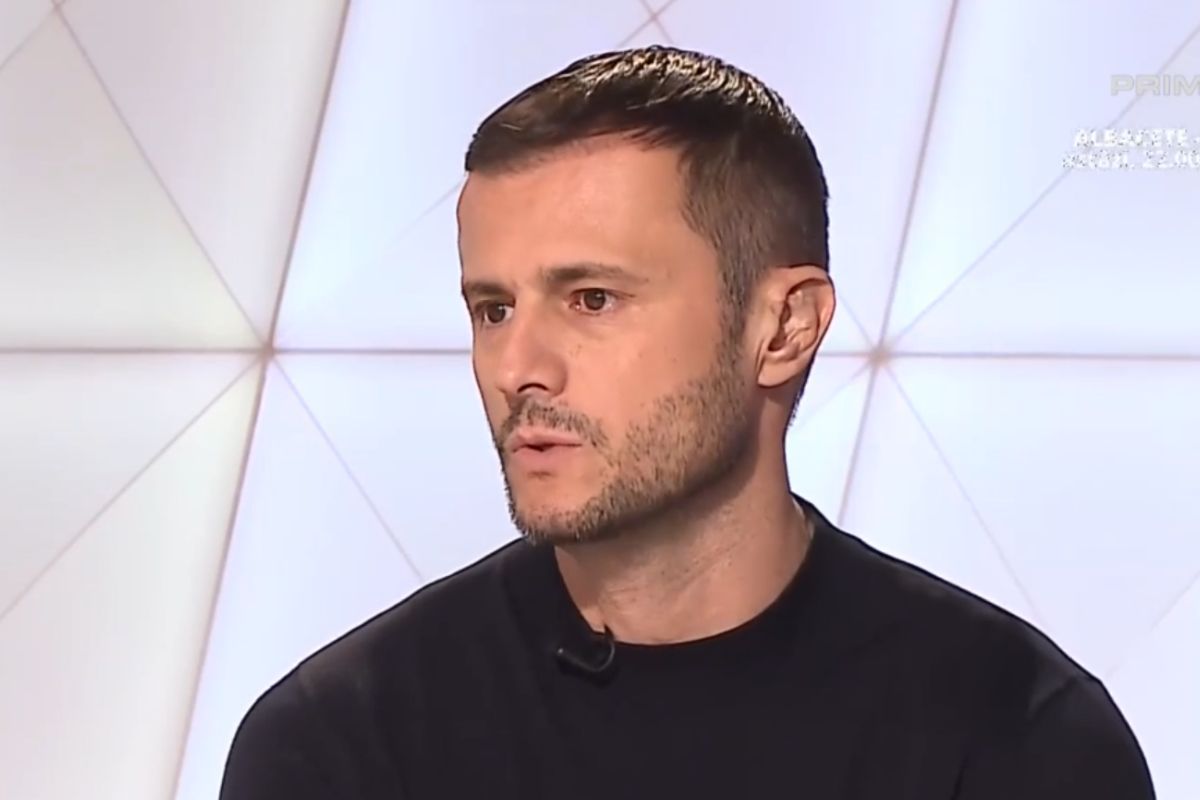
A recent caricature featuring Didier Deschamps, the French national football coach, depicts him holding an urn containing his mother’s ashes as a trophy for the World Cup. This controversial image highlights the disturbing extremes to which the concept of free speech can extend.
We live in an era where individuals are free to express their thoughts and opinions without restraint. However, the final vestiges of humanity and common decency seem to restrain us from crossing certain lines.
Mocking the Deceased
If contemporary society views it as acceptable, even humorous, to mock the deceased, then Charlie Hebdo has fulfilled its mission. Their caricature has garnered international attention, depicting Deschamps with his late mother’s ashes instead of the trophy he is set to present in a few weeks.
The Coach’s Loss
Deschamps’ mother passed away recently at the age of 89, prompting him to return to France to attend her funeral. He left his coaching staff to manage the team’s match against Norway, which followed two consecutive victories for France. Deschamps is expected to return to the U.S. for the knockout stages after the funeral. Beyond being a notable player, he is recognized for leading France to a World Cup title and for reaching the finals in Qatar 2022.
Just for Ratings?
The French publication, known for its humor akin to a flea-ridden dog, has produced a cartoon that goes beyond macabre; it straddles the line of outright alienation. How can one find amusement in mocking a man traveling across the Atlantic to attend his mother’s funeral? Who are you to belittle such a tragic moment?
What do they aim to achieve with this offensive caricature? Is it merely to garner views at a disgusting price? And the artistic execution is hardly commendable; Matty Assan could draw better with his eyes closed, while Deschamps barely resembles himself.
The Legacy of “Je Suis Charlie”
Charlie Hebdo is widely recognized, though not just as the provocatively racist publication that mocked Romanians in 2018 while Simona Halep won the French Open, labeling them “Ferrailles,” a term for scrap metal collectors and a derogatory term for Roma. In January 2015, they sought global compassion after their offices were attacked, prompting the rallying cry of “Je suis Charlie.” The publication had previously released cartoons depicting the Prophet Muhammad, which sparked outrage in Islamic communities, leading to violent reactions.
Despite the global support for Charlie at that time, one must wonder if there are more prudent ways to engage with an issue than mocking the prophet of a faith followed by nearly two billion people worldwide.
To What Lengths?
For whom should the world come together? For those who belittle us? For those who disrespect the last journey of a national coach? How low can human depravity sink? What extremes are we willing to go to for media visibility? What are our values? Who are we anymore? Is there anyone who can provide answers?
The most detached among us may respond in a deranged chorus, devoid of human empathy, claiming they are Charlie no matter what happens. But where are we headed? What have we failed to understand? Time will tell what remains of us.