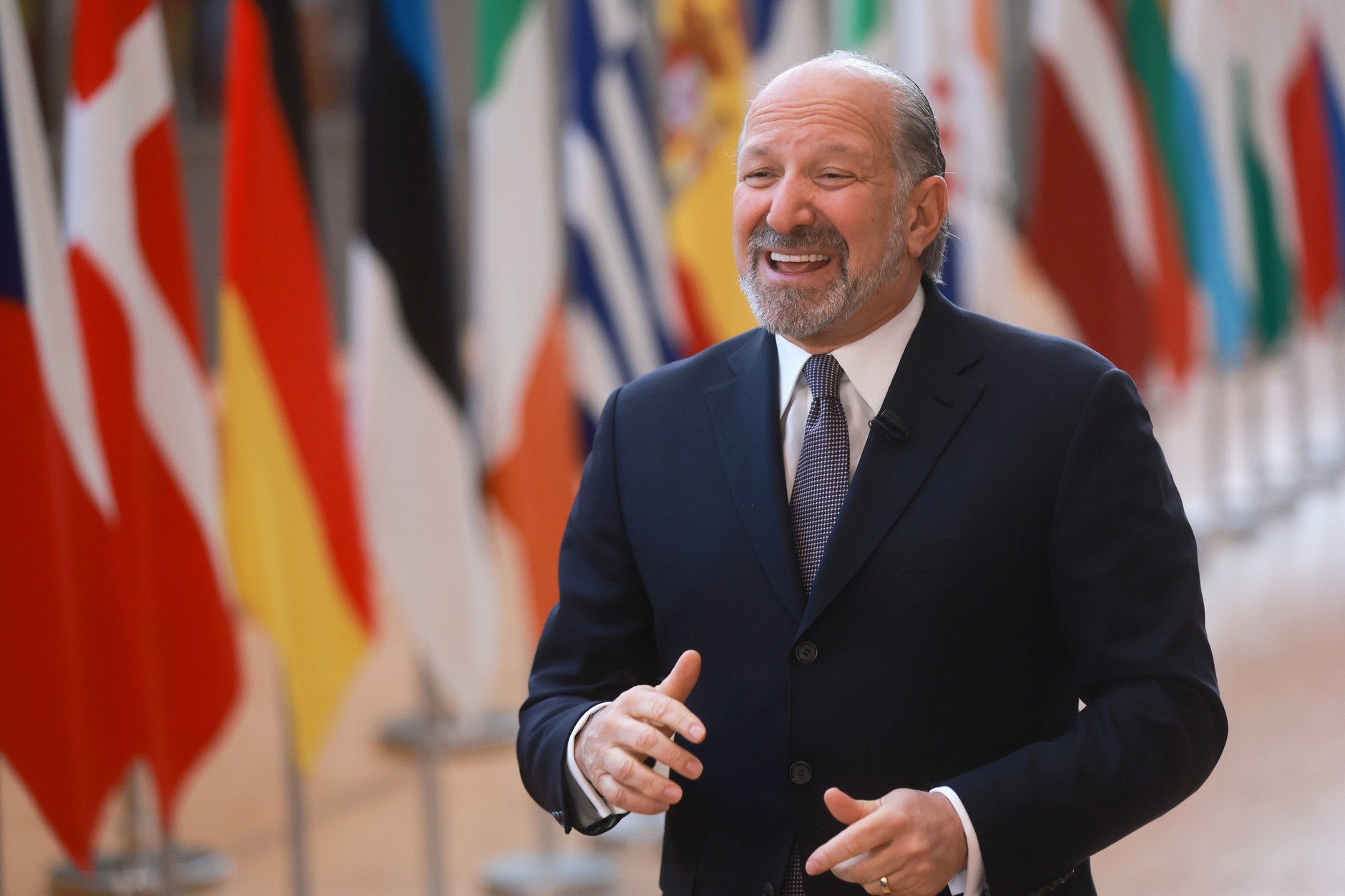
Trade Secretary Howard Lutnick said in Brussels on Monday that the United States could change its approach to tariffs on steel and aluminum, if the EU reconsiders its digital rules. European officials interpreted his comments as an allusion to EU technology regulations, including the Digital Markets Act (DMA).
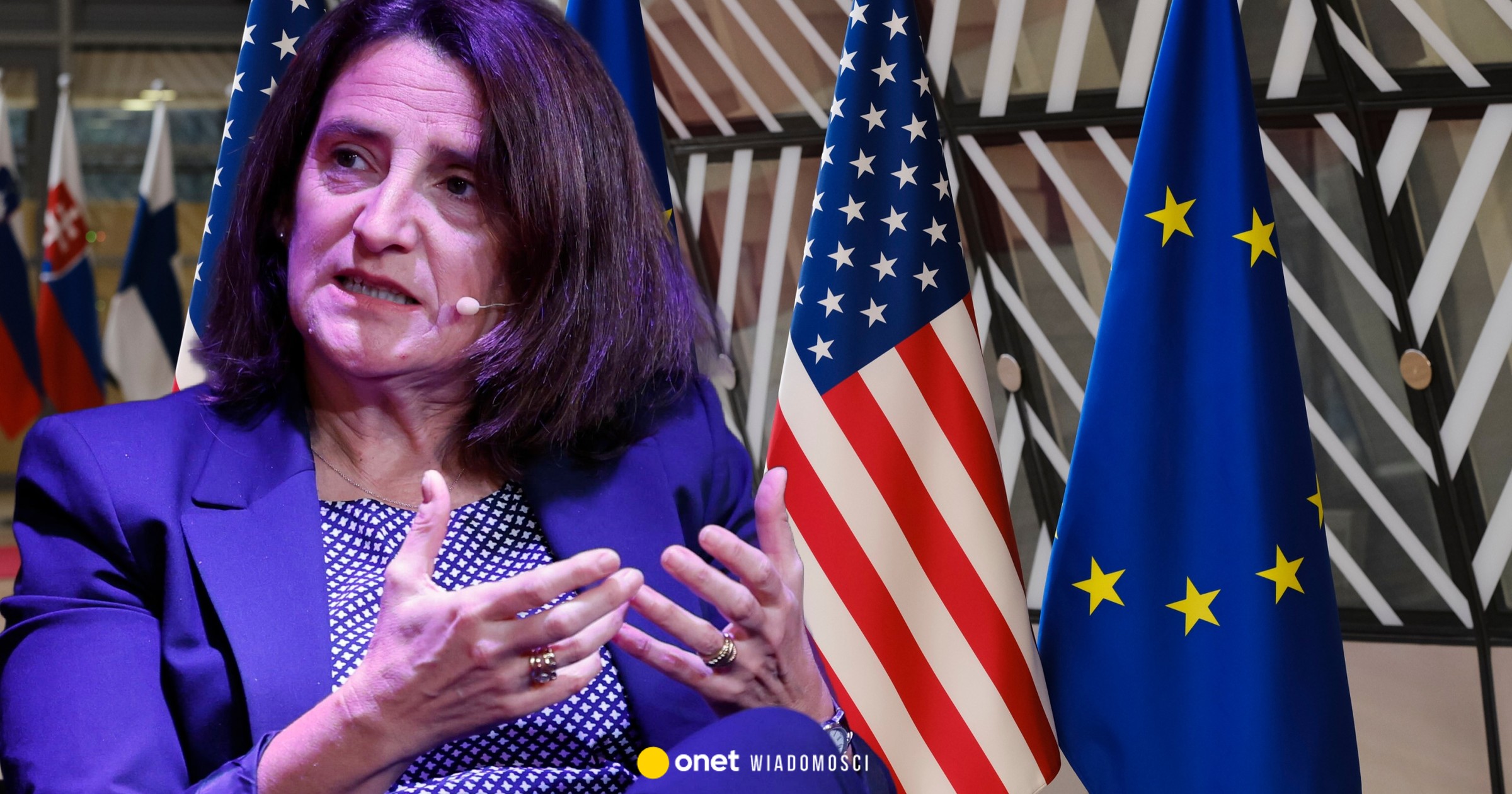
“It's blackmail,” Teresa Ribera told POLITICO on Wednesday. — [To]The fact that they have such an intention does not mean that we accept this type of blackmail.
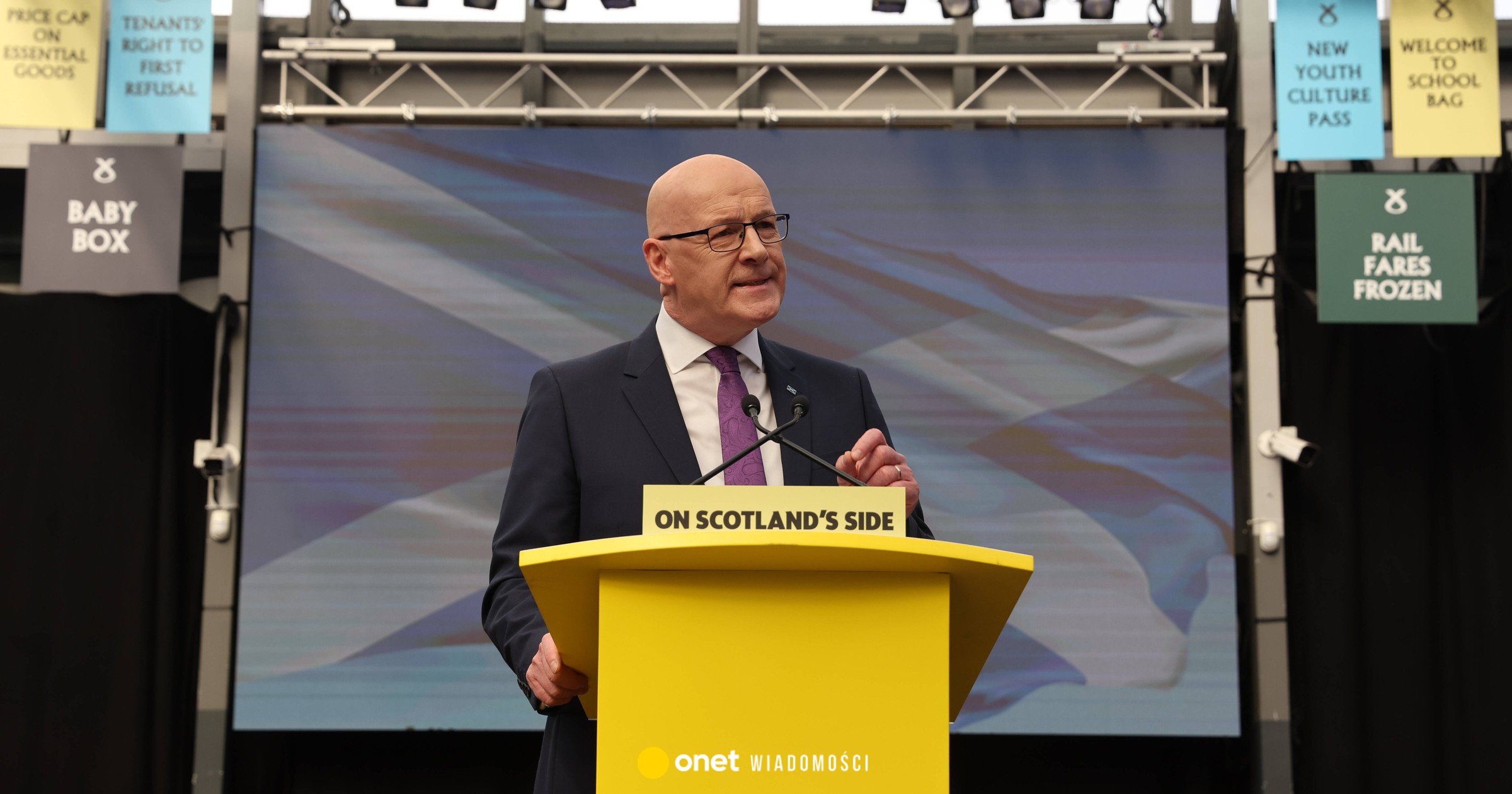
Ribera – who is second in the Commission as executive vice-president after Ursula von der Leyen – says the EU's digital rulebook should have nothing to do with trade negotiations. Donald Trump's team is seeking to change the framework of the trade agreement that the US president concluded with von der Leyen in July at his Scottish golf resort.
This intervention comes at a critical moment in the ongoing trade talks. Washington considers the DMA to be a discriminatory measure because almost all of the big tech platforms it regulates — such as Microsoft, Google and Amazon — are American. Washington also has reservations about the Digital Services Act, which aims to curb illegal speech online, seeing it as an attempt to clamp down on social networks like Elon Musk's X.
The article continues below the video
Ribera said that such rules are a matter of sovereignty and should not fall within the scope of trade negotiations. — We respect the rules, no matter what rules apply in their market: digital market, health sector, steel, […] cars, standards – she said, referring to the US – It's their problem. These are their regulations and their sovereignty. This is also the case here.
Ribera, along with Technology Commissioner Henna Virkkunen, oversees the DMA, which regulates the practices of large digital platforms and tries to keep competition fair. The politician strongly commented on Lutnick's comments after his Monday meeting with EU officials and ministers, saying that “European digital rulebook is non-negotiable”.
Virkkunen repeated that view on Tuesday. On Monday, it proposed an EU simplification package to its American counterparts. It was presented as an EU push to reduce bureaucracy, but interpreted by some as pThey are trying to answer the concerns of American big tech about regulation.
When asked why she made such a strong statement, Ribera replied that Lutnick's comments were a “direct attack on DMA”. She added: “It is my duty to defend a well-functioning digital market in Europe.
Cracks appear
Despite Ribera's uncompromising response EU countries' solidarity on DMA is starting to weaken. — I see many ministers. […] Some are more open than others, Lutnick told Bloomberg TV. He added that if Europe wants American investments, it should change its regulatory model.
Howard Lutnick, US Secretary of Commerce, before his meeting with European trade ministers. Brussels, 24 November 2025PAP/EPA/OLIVIER HOSLET
At least one EU interlocutor seemed to agree with him. Katherina Reiche, German Economy Minister, speaking on the sidelines of the meeting, told reporters that supports further loosening of EU digital rules.
“Germany has made clear that it wants to be able to play a role in the digital world,” Reiche said, citing in particular the Digital Markets Act and the Digital Services Act.
Washington's lobbying activities aimed at weakening EU digital regulations are part of the… a global U.S. push to weaken digital regulations in foreign jurisdictions. This month, South Korea bowed to the Trump administration's lobbying efforts and withdrew its own proposed digital competition system.
The U.S. Trade Representative is preparing his 2026 report and launching another round of consultations in the coming weeks. In the meantime, the Commission continues its own assessment of the rules. But with Washington throwing obstacles in the way and EU countries breaking ranks, the question is not just what will emerge from this assessment – it is whether the Digital Markets Act will survive the trade war at all.
I’m Ashley Davis as an editor, I’m committed to upholding the highest standards of integrity and accuracy in every piece we publish. My work is driven by curiosity, a passion for truth, and a belief that journalism plays a crucial role in shaping public discourse. I strive to tell stories that not only inform but also inspire action and conversation.