The German giant is focusing on the production of electric cars in Poland. An investment worth PLN 1.5 billion


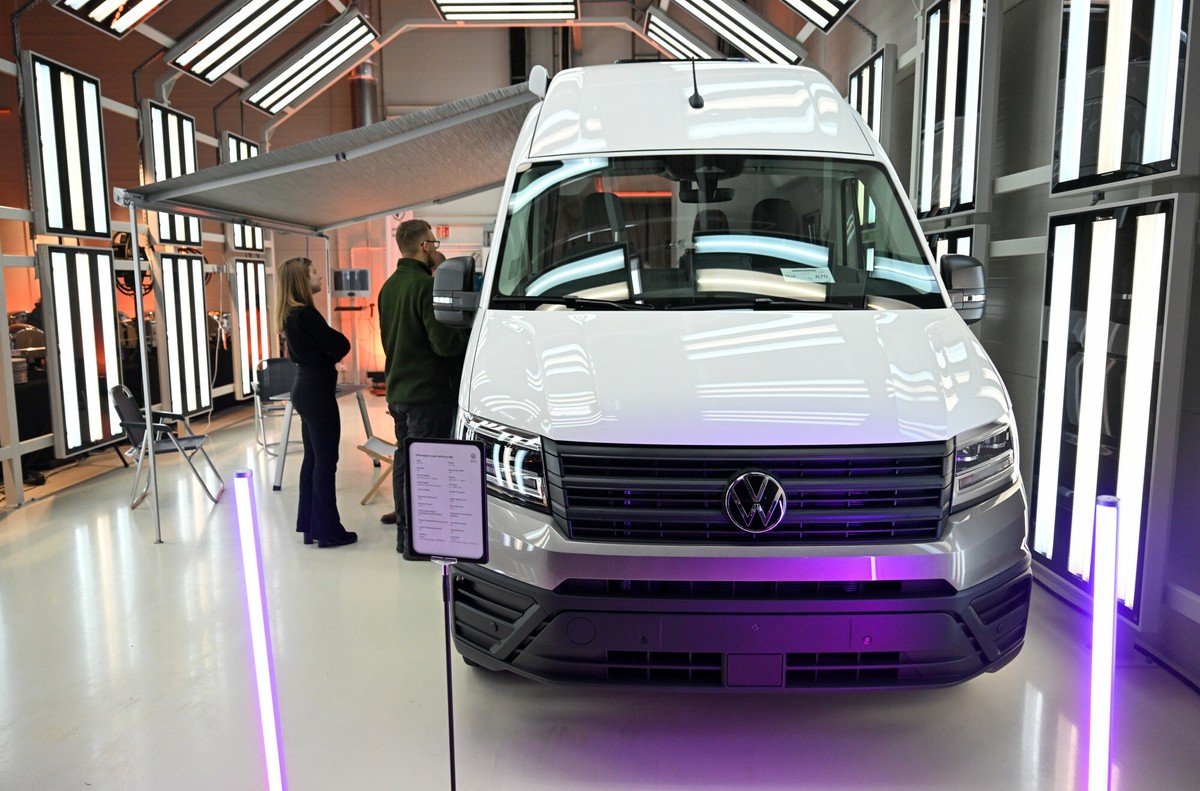
The expansion will include the construction of two halls with a total area of over 59,000 m2. m. The first of them, with an area of 35,000. m, will be dedicated to the production of the eCrafter chassis platform. The production process will use 150 robots, which will be responsible for key stages such as welding, welding and gluing. The second hall, with an area of 24,000. m, will accommodate a battery warehouse and logistics space. Completion of construction works is planned for mid-2027.
The rest of the article below the video:
Stefan Mecha, president of the management board of the Volkswagen Commercial Vehicles brand, emphasized that this investment will enable the production of a new generation of the fully electric eCrafter model, which is another step towards sustainable transport. Mecha also reminded that the factory in Września will celebrate its 10th anniversary next year. During this time, the plant produced a total of over 700,000. vehicles, including Crafter, Grand California and MAN TGE models.
Mecha also noted that Volkswagen Commercial Vehicles is currently the leader in the electric delivery vehicle segment on the European market. The company intends to continue the electrification of both its offer and production plants.
Deputy Minister of Development and Technology Tomasz Lewandowski assessed that the decision to expand the plant in Września is an important impulse for the Polish economy. He recalled that Volkswagen Poznań, as the largest employer in Greater Poland, employs over 9,000. people. He also drew attention to the fact that most of the components for vehicle production come from Polish suppliers. As Lewandowski noted, Poland attracts investments today thanks to high competences and well-educated staff, not cheap labor.
The deputy mayor of Września, Artur Mokracki, emphasized the importance of the plant for local economic development. The presence of Volkswagen in Września contributed to a dynamic increase in the number of inhabitants, the construction of new housing estates and other investments in the city.
The president of Volkswagen Poznań, Stefanie Hegels, emphasized that the expansion of the plant would increase its competitiveness and ensure employment stability. She also emphasized that the plant in Września has been a symbol of modernity and innovation from the beginning, and the current investment is another step towards the future of modern mobility.
The Volkswagen plant in Września covers an area of approximately 220 ha and uses over 1,300 robots in its production. The factory also uses advanced quality systems based on artificial intelligence. One of the plant's distinguishing features is the on-site photovoltaic farm, which ensures full energy self-sufficiency on sunny days.