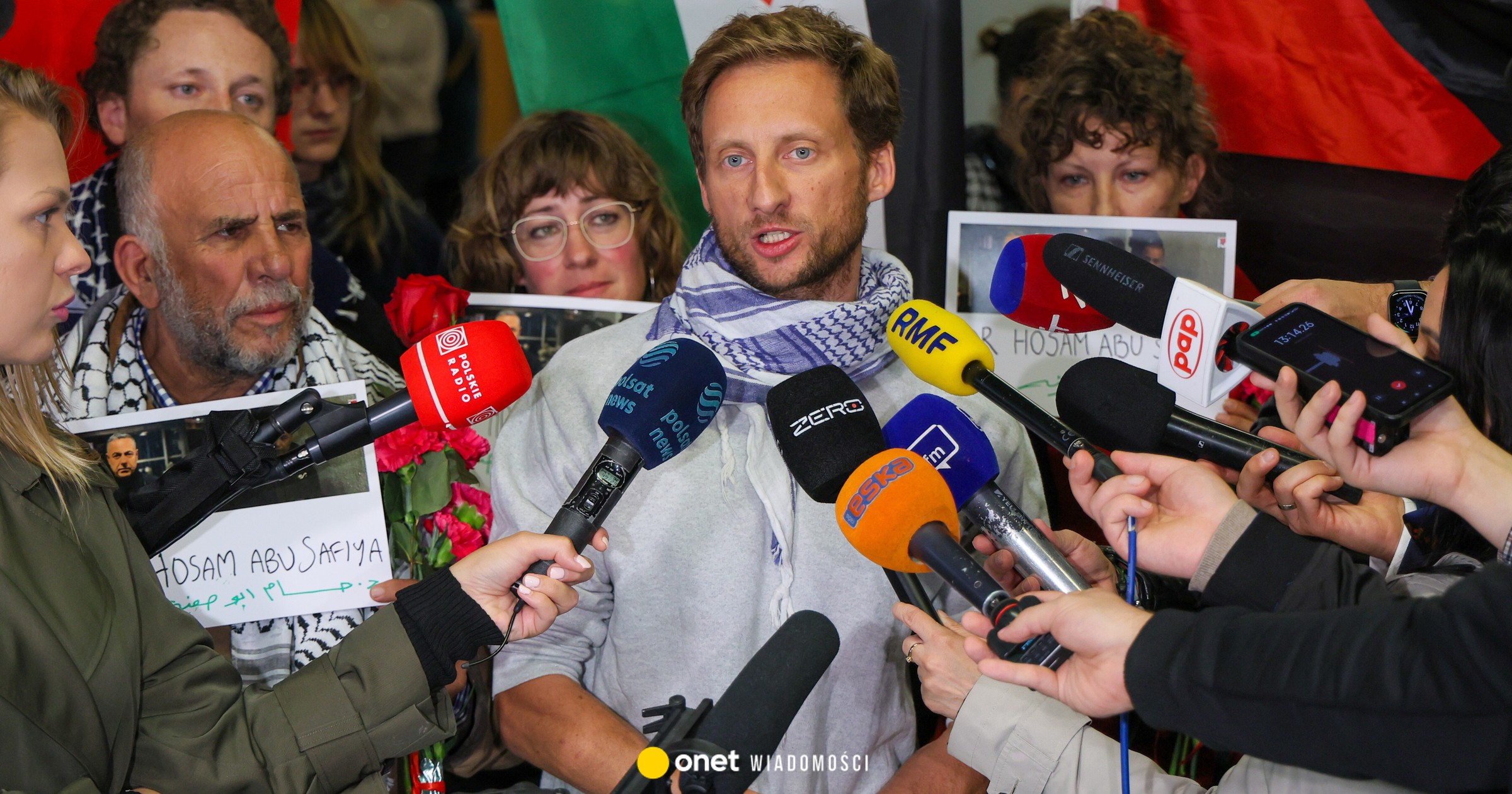
December 26: The day former President Harry Truman died, during whose tenure the US enters the Cold War

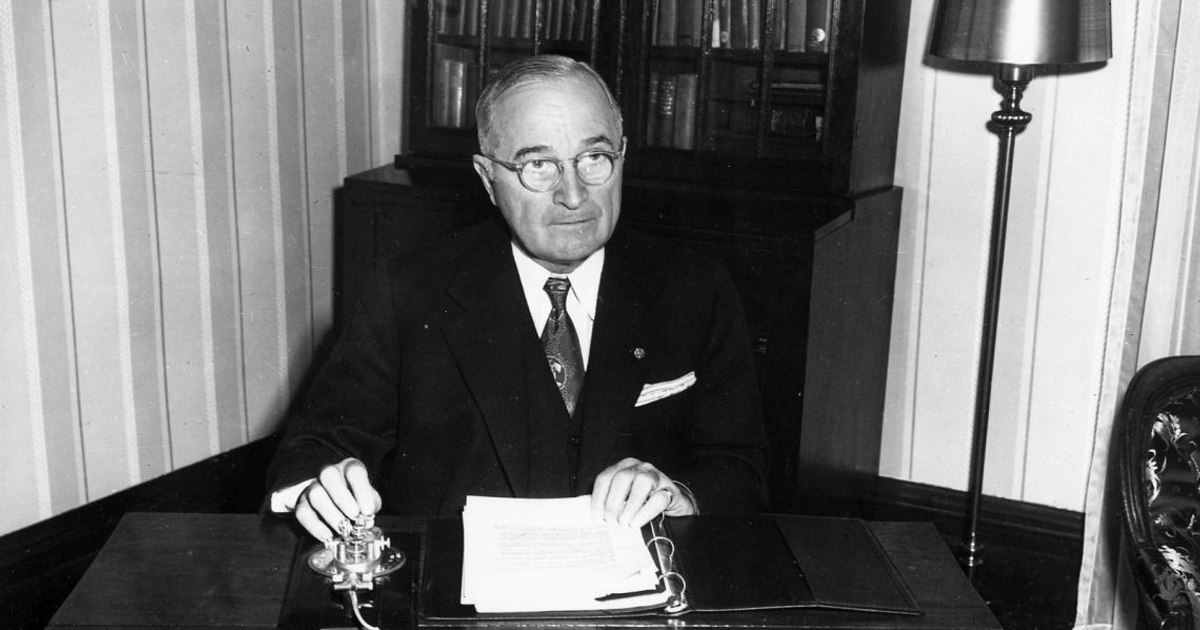
On December 26, 1972, Harry S. Truman, the 33rd President of the United States, died. Also on December 26, 2019, the American actress Suellyn Lyon passed away.
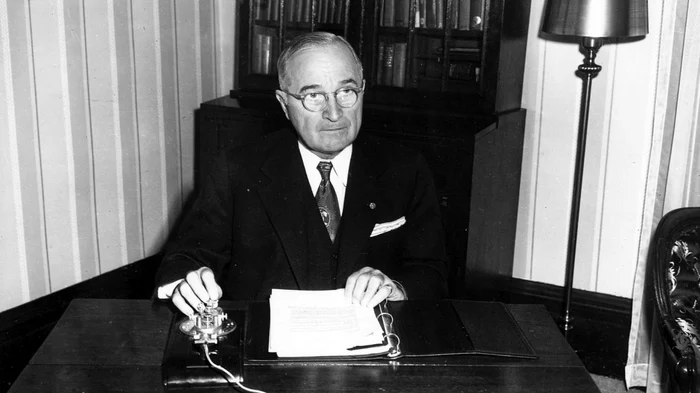
Harry S. Truman/PHOTO: The US National Archives
1891: Henry Miller, American writer, was born
Born on December 26, 1891, in New York City, USA, Henry Miller was an American novelist, short story writer and essayist.
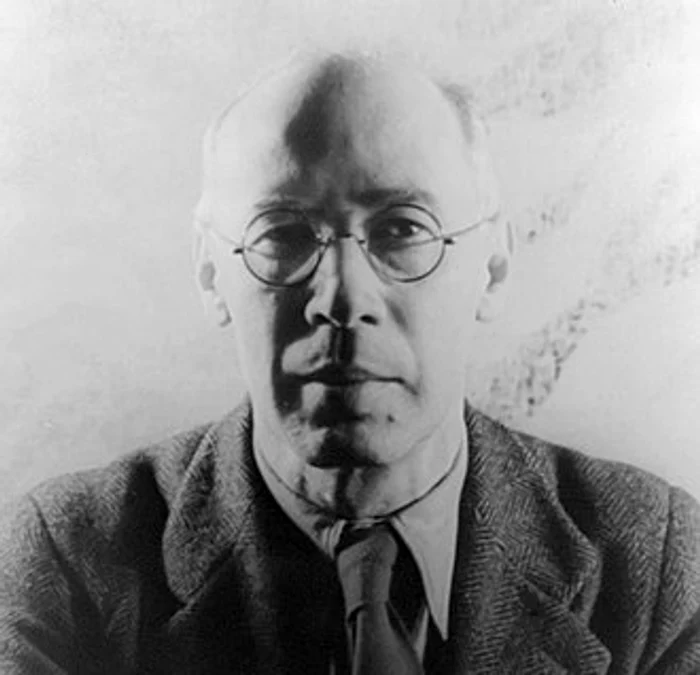
Henry Miller/PHOTO: Wikipedia
He abandoned traditional literary forms and developed a new type of semi-autobiographical novel, combining character study, social criticism, philosophical reflection, stream of consciousness, explicit language, sexuality, surrealist free association, and mysticism.
In his youth, he was active in the Socialist Party. For a short time, for one semester, he attended courses at City College, in New York. Although he was an exceptional student, he did not want to be bound by or submit to the traditional college education system.
His first wife was Beatrice Sylvas Wickens, whom he married in 1917. During 1928-1929, Miller spent several months in Paris with his second wife, June Edith Smith. In 1930, he moved alone to Paris, continuing to live there until the outbreak of World War II.
Among his most representative works of this type are Tropic of Cancer, Black Spring, Tropic of Capricorn, and the Rosy Crucifixion trilogy, based on his experiences in New York and Paris. All of the books listed were banned in the United States by 1961.
Miller died of circulatory complications at his home in Pacific Palisades, Los Angeles on June 7, 1980.
1972: Former US President Harry S. Truman died
Born May 8, 1884, in Lamar, Missouri, Harry S. Truman was the 33rd President of the United States (1945–1953), taking office after the death of Franklin D. Roosevelt.
During his tenure, the US ended participation in World War II and entered the Cold War period, marked by tensions with the Soviet Union.
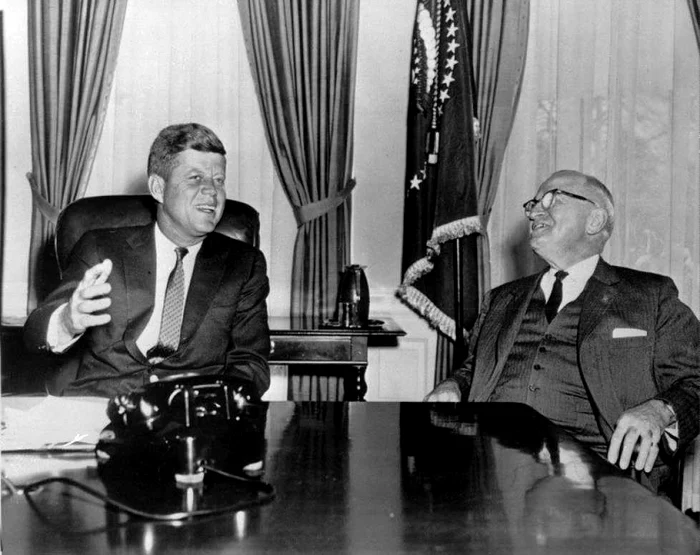
John F. Kennedy and Harry S. Truman/PHOTO: Reuters
Truman ordered the use of atomic bombs against Japan, a controversial decision that contributed to its surrender. In foreign policy, he promoted an internationalist approach: he supported the establishment of the UN, launched the Truman Doctrine and the Marshall Plan for the reconstruction of Europe, oversaw the Berlin airlift and the creation of NATO, and involved the US in the Korean War.
Domestically, he faced opposition from Congress, but managed the postwar economic transition and initiated the racial integration of the military.
Although his administration was marred by corruption scandals and he lost the 1952 election, the evaluation of Truman's presidency became more favorable over time, and he was also remembered for his surprise victory in the 1948 election.
Truman died on December 26, 1972, at the age of 88.
1982: Time magazine's “Person of the Year” is the personal computer
The personal computer was chosen “Person of the Year” by Time magazine. This was the first time editors selected a non-human winner for the award (planet Earth would be the second in 1988), which Time has awarded annually since 1927, Wired writes.
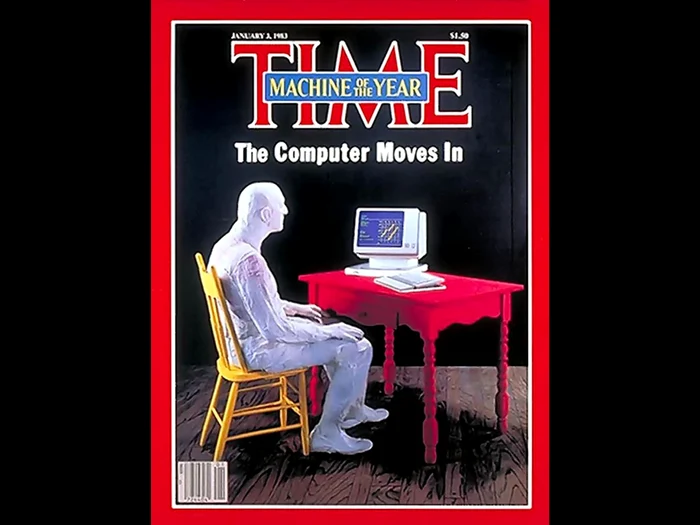
The text in that edition is an interesting reminder of the dawning awareness of the computer age as a force in modern life.
In 1980, according to Time magazine, 724,000 personal computers were sold in the United States. The following year, the number doubled to 1.4 million as more and more companies joined the frenzy. In 1982, the number doubled again.
Time's choice saw the personal computer beat out strong competition, including Ronald Reagan (who would be nominated twice), Britain's Margaret Thatcher, and Israel's Menachem Begin.
But as the magazine notes: “There are occasions when the most significant force of a year is not an individual but a process, and a widespread recognition by the whole society that this process changes the course of all other processes.”
1986: Eugenia Babad, opera singer, died
Born on May 3, 1900, in Balti, Republic of Moldova, Eugenia Babad was a Romanian opera singer (mezzo-soprano).
He studied at the Moldavian Popular Conservatory in Chisinau in 1919-1921, with Nikolay Kedrov (1871-1940), after which he went to Paris and Vienna to consolidate his knowledge.[1] He graduated in law in Moscow in 1924.
She debuted on the stage of the Romanian Opera in Bucharest in 1925, playing the role of Nanny in the opera Boris Godunov by Modest Mussorgsky. He continued to work at the Romanian Opera in the years 1925–1927 and 1930–1946. He had tours in Berlin, Paris, Rome, Warsaw.
In 1946, she was awarded the “Cultural Merit” Order.
On December 26, 1986, he died in Bucharest.
2003: Devastating earthquake in Iran. Tens of thousands of people dead
An earthquake struck Kerman Province in southeastern Iran at 01:56 UTC (5:26 a.m. Iran Standard Time) on 26 December 2003. The strike-slip earthquake, with a magnitude of Mw 6.6 (Ms 6.8–7.0), had a maximum Mercalli intensity of X (Extreme).
The earthquake was particularly devastating in the cities of Bam and Baravat, with 34,000 deaths and 200,000 injuries officially reported. It was the deadliest global natural disaster since the Vargas disaster in 1999.
The effects of the earthquake were exacerbated by the use of clay bricks as a standard building material; many of the buildings in the area did not comply with seismic regulations established in 1989.
Following the earthquake, the Iranian government seriously considered moving the capital from Tehran, fearing a major earthquake in the area. The earthquake had a psychological impact on many victims for many years.
2019: American actress Sue Lyon dies
Suellyn Lyon was born in Davenport, Iowa, on July 10, 1946. Her mother worked in a hospital to support the children, and money was tight. The family then moved to Los Angeles, hoping Suellyn could make a financial contribution as a model, writes IMDb.
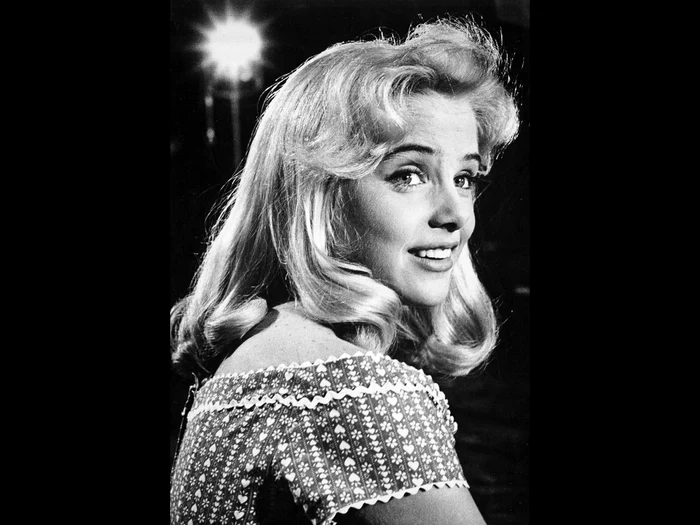
Sue Lyon/PHOTO: Wikipedia
Sue Lyon began her career as a young model and actress, landing jobs for JC Penney and appearing in commercials, as well as small roles in Just Dennis (1959) and Letter to Loretta (1953). Stanley Kubrick noticed her and offered her the lead role in Lolita (1962).
In her personal life, Sue had several marriages, first to Hampton Fancher III (1964), then to Roland Harrison, which led to her temporary relocation to Europe due to controversy. He went on to star in films such as 7 Women (1965), One Born Every Minute (1967), Tony Rome (1967), Evel Knievel (1971), Game of Murder (1973) and Murder in a Blue World (1973).
In 1973 she married Gary “Cotton” Adamson, whom she met at the Colorado State Penitentiary, also involved in prison reform and marital rights, but the marriage quickly ended. He went on to appear in films such as Smash-Up on Interstate 5 (1976), Crash! (1976), The Astral Factor (1978), Towing (1978), Don't Push, I'll Charge When I'm Ready (1971) and Alligator (1980), his last film.
Sue married Edward Weathers in 1983, but the marriage ended after a year. She then married a radio engineer, Richard Rudman, but this marriage, like the previous four, ended in divorce.
The actress died in 2019 at the age of 73.