

New rules for segregation and management of textile waste and used clothing will definitely relieve the workload of PSZOK in Słupsk, but above all, it will make life easier for residents. In particular, older people and those who do not have access to a car.
See also: No more garbage bags? Polish local government is introducing revolutionary changes
As a reminder: from January 1, 2025 a new waste fraction appliesi.e. textiles. Therefore, textile waste – such as used clothing – can no longer be disposed of in mixed waste containers. They should be taken to Selective Municipal Waste Collection Points (PSZOK), but there are few of them in municipalities.
We previously informed that Gliwice focuses on ecology and the convenience of residents by introducing modern solutions in waste management. From January 2026, a new textile waste collection system will be launched in the city. Residents will be able to use purple bags and containers that will facilitate the segregation and disposal of used clothing.
No more taking clothes to PSZOK
Now Słupsk has followed in the footsteps of Gliwice, where it has also been decided to find a Solomonic solution that will benefit its citizens. According to the Local Government Portal, residents of multi-family buildings will be able to donate textiles once a month, while in single-family buildings, inspection will take place once a quarter. The containers will be specially marked and intended only for textiles.
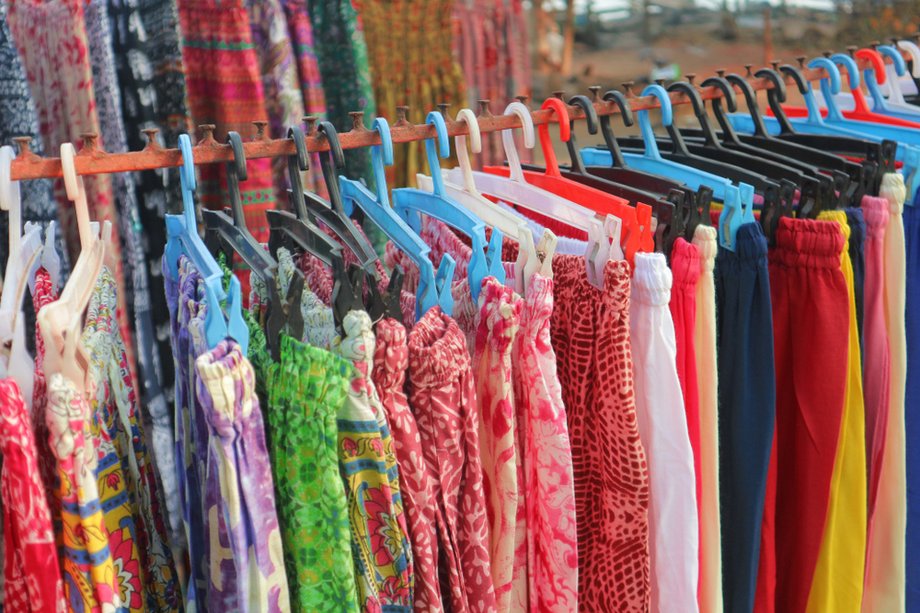
The need to segregate and properly dispose of clothes raises a lot of controversy among Polish women and men
|
d odin / Shutterstock
The new method of collecting and collecting clothing waste is intended to solve the problem reported by residents,” says Adam Sędziński, councilor of the Słupsk City Council, quoted by the Local Government Portal.
See also: Poland sends record amounts of garbage into the world. That's where they end up [MAPA]
“The problem of delivering clothes and textile waste to the PSZOK of the city of Słupsk was the subject of interpellations by councilors and requests from residents,” explains the councilor, whose words are quoted by the Local Government Portal.
Segregation of textile waste is a problem for residents. The city is looking for a compromise
The Słupsk councilor emphasized that residents noticed the removal of Caritas containers from the city streets. The above-mentioned conclusions noted that transporting bags of used clothing to PSZOK was problematic for older people and those who only use public transport.
The text continues below the video
As the Local Government Portal points out, textiles thrown into new containers will be treated as waste and will not reach those in need. “We need to urgently analyze the issue of clothing that is not waste and could be reused, because disposing of it as waste is a waste,” emphasizes Adam Sędziński.
Textiles and used clothing are a problem in segregation. Charities can help
Charitable organizations such as the Polish Red Cross continue to collect recyclable clothing. Collaborating with such organizations could reduce the amount of textile waste and lower the costs of the waste management system. This could also prevent fee increases for residents.
See also: Where the ocean ends, hell begins. “We live like animals”
The new containers are a step towards making waste segregation easier, but at the same time a challenge to find a way to better use clothing that can still be used by others.
PSZOK – what is worth knowing
1. What does the PSZOK abbreviation mean?
PSZOK means Municipal Waste Selective Collection Point. This is a place where commune residents can dispose of problematic and hazardous waste free of charge, which cannot be thrown into regular garbage containers, such as old furniture, used electrical equipment, bulky waste, chemicals or construction waste. Each commune is obliged to create such a point in accordance with the Act on maintaining cleanliness and order in communes.
2. What can be donated to PSZOK?
You can dispose of a wide range of waste at PSZOK (Point of Selective Collection of Municipal Waste), including:
- chemicals (solvents, acids, paints, varnishes, oils, glues, detergents)
- clothing and textiles
- e-waste (waste electrical and electronic equipment, electronics, household appliances)
- used batteries and accumulators
- fluorescent lamps, energy-saving bulbs, waste containing mercury (thermometers, fluorescent lamps)
- furniture, mattresses, bulky waste
- used tires from bicycles, motorcycles, passenger cars
- renovation, construction and demolition waste
- glass (windows, doors, mirrors, clear and colored glass)
- used or expired fire extinguishers
- pressurized aerosol containers
- packaging waste made of plastic, metal, glass, polystyrene
- ashes from home hearths
- waste paper, paper, cardboard
- bio-waste
Additionally, PSZOK accepts green waste, used cooking oil, oil from gardening tools, plant protection products, photographic reagents and other municipal waste sorted by type. Packaging Styrofoam is usually accepted, but construction Styrofoam should also be accepted if it does not come from a business. Many PSZOKs also accept used fire extinguishers, textile and biodegradable waste
3. How much can I donate to PSZOK?
You can return a maximum of 8 used tires per year to the Selective Collection of Municipal Waste Point (PSZOK) free of charge. This limit applies to tires from vehicles weighing up to 3.5 tons and applies to each household. Once this limit is exceeded, fees may apply. It is also worth noting that other types of waste, such as construction waste, have weight limits set at several hundred to several thousand kilograms per year, but for tires the limit is precise and amounts to 8 pieces per year per household.
Different PSZOKs may have slightly different detailed rules, so it is worth familiarizing yourself with the local regulations of the point before disposing of waste. Waste should also be segregated according to designated categories and rules. Giving tires to PSZOK is important for ecology and recycling, which is why there are limits that aim to control and properly manage used materials.


