Cardboard packaging from drinks and dairy products can be taken to collection machines in two large cities in the country

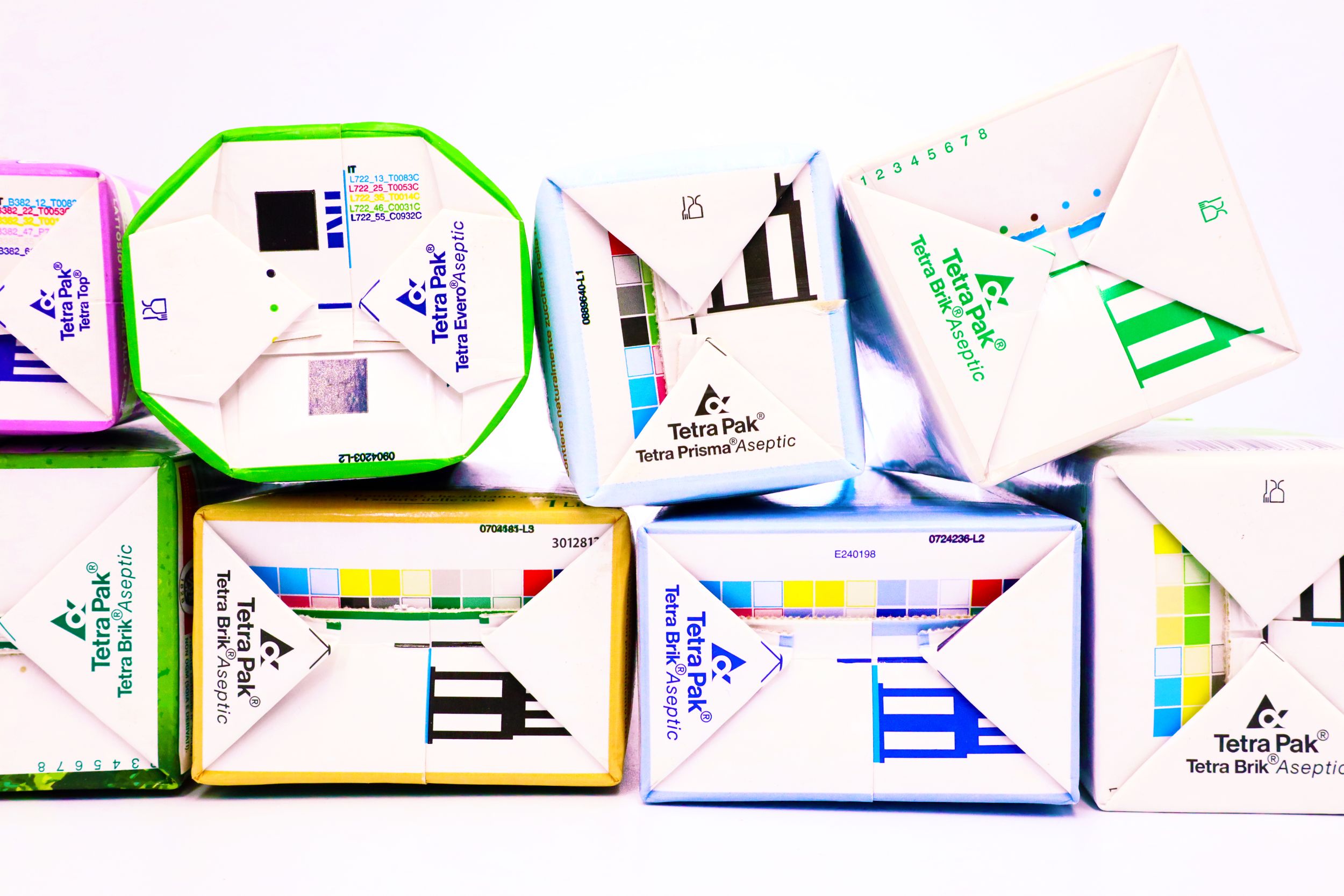
Cardboard packaging (photo by Walter Cicchetti, Dreamstime.com)
On Friday, several companies launched a pilot project through which, at several collection machines in Bucharest and Brașov, cardboard packaging from drinks and dairy products can be returned in exchange for a 50-money voucher. The project will last eight months and is NOT related to the Warranty-Return System which does not include cardboard packaging.
Through this pilot project, consumers will be able to return cardboard packaging for drinks and dairy products in six Mega Image stores in Brașov and one in Bucharest.
For each package returned, consumers will receive a voucher worth 50 money, which they can use for shopping in the Mega Image network, announced packaging manufacturer Tetra Pak.
The main objective is to collect one million packages from the Romanian market during the eight months of operation of the project, after which the data will be analyzed, the results will be presented and the next steps will be determined for a possible maintenance or expansion of the collection network.
The companies that partnered for the project are Tetra Pak, Mega Image, Maspex, Tomra and Brai Cata,
Currently, cardboard packaging for beverages and dairy products are not part of dedicated collection and recycling systems in Central and Eastern Europe and do not benefit from specific reporting in Romania either.
At the moment there are no official data on the quantities of cardboard packaging placed on the market and, implicitly, neither on those collected or recycled, says a statement from the company producing packaging for food Tetra Pak
Beverage and dairy cartons are sorted and sent to recycling, and the resulting materials are transformed into new products. Recycled cardboard is used in the production of new packaging (for example cardboard boxes), napkins or paper bags. The PolyAl layer is processed separately from the cardboard and transformed into granules, which become raw material for the manufacture of other products, such as pallets, transport boxes, garden pots or car components, say those from Tetra Pak.
Photo source: Dreamstime.com