As the portal emphasizes, this is a significant change in the financial policy of Moscow, which has previously conducted mainly internal transactions – it moved gold between the government and the central bank, but left it physically part of the country's strategic reserves. Currently sold bars actually leave the state's resources, which means that they lose their status as the Kremlin's financial security.
Read also: The US provided Ukraine with a peace plan. Zelensky ready to talk to Trump
The rest of the text below the video
The Central Bank of Russia did not reveal either the starting date of the sale or its scale. However, experts indicate that this step was forced by the increasing costs of waging the war in Ukraine and the effects of sanctions, which have clearly limited Russia's budgetary possibilities.
Russia's gold reserves are dwindling rapidly
The National Welfare Fund, established in 2008 as a financial security for the state during the crisis, before the Russian invasion of Ukraine, it had 405.7 tons of gold. Since February 2022, the situation has changed dramatically – the Ministry of Finance has already sold 57 percent. resources, i.e. over 232.6 tons of gold. These funds were intended to plug growing budget holes resulting from both military costs and the reduction in state revenues caused by Western sanctions.
Read also: President Karol Nawrocki decided on the military operation “Horizon”
At the beginning of November, only 173 tons of gold remained in the FDN. Western economists predict that if the sell-off rate continues, the fund could be completely depleted within a year or two. This would mean a serious weakening of the Kremlin's financial capabilities and a significantly reduced ability to stabilize the budget in a crisis situation.
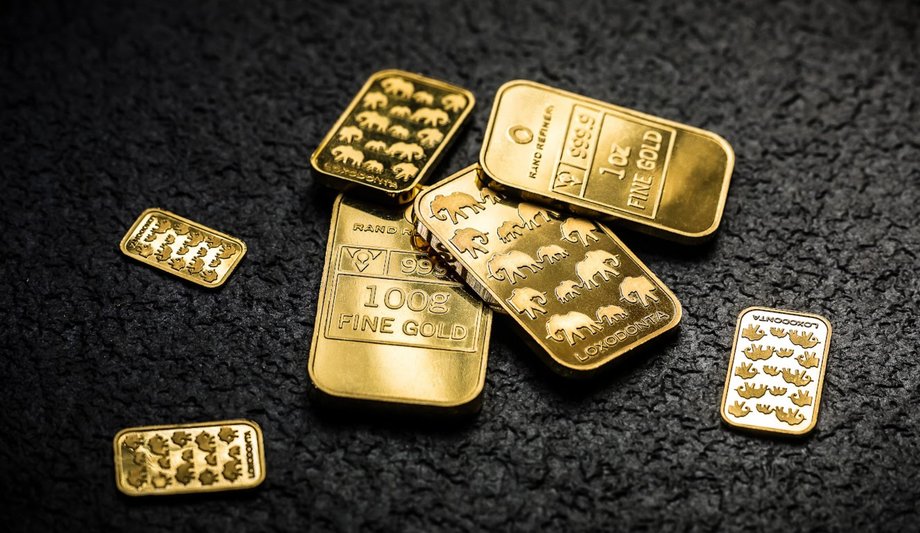
Gold breaks above $4,100.
|
Goldenmark
State reserves of Russia after changes: yuan instead of dollar
The structure of the National Welfare Fund has changed dramatically after Russia removed the dollar, euro and other Western currencies from it in 2023. Currently, about 60 percent FDN's assets are yuan, and the remaining 40 percent — gold. This is the result of politics “de-dollarization”, which Moscow accelerated after the imposition of broad sanctions by the US and the European Union.
At the same time, the Central Bank has already started selling part of the Chinese currency reserves, which proves that increasing financial pressure on Russian state institutions. The sale of both yuan and gold is perceived as the final step taken by the Kremlin in the face of growing budget problems.
Analysts point out that the sale of physical gold from state reserves is a signal of the deteriorating condition of Russia's finances, and at the same time proof of the high costs generated by the prolonged war. The depletion of the FDN means the gradual loss of one of the key stabilization tools on which Moscow based its resistance to Western economic pressure.