November 17: 1869: The Suez Canal is inaugurated, after 10 years of construction, the waterway connecting the Mediterranean Sea with the Red Sea

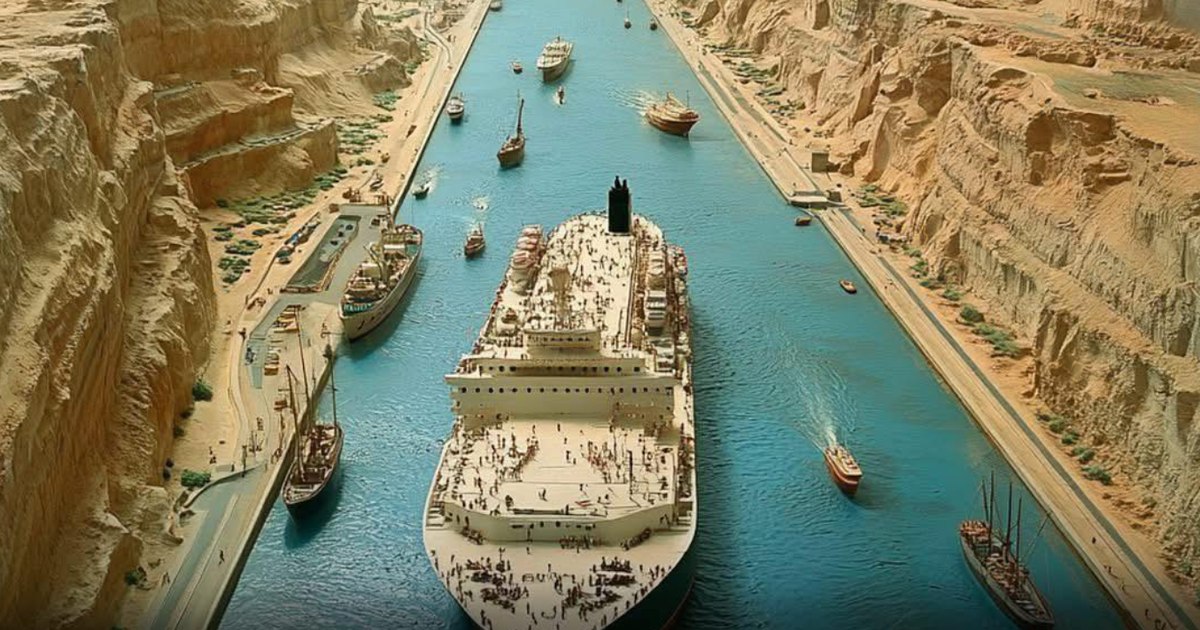
The day of November 17 is marked by various events in the history of the world: in 1869, the Suez Canal is inaugurated, after 10 years of construction, a waterway that crosses the Isthmus of Suez, joining the Mediterranean Sea with the Red Sea. For Czechs and Slovaks, November 17 has a deep meaning: it marks the beginning of the Velvet Revolution.
The canal was officially inaugurated on November 17, 1869. PHOTO: Facebook
1869: The Suez Canal is inaugurated, after 10 years of construction, a waterway that crosses the Isthmus of Suez, connecting the Mediterranean Sea with the Red Sea
In 1858, Ferdinand de Lesseps founded the Suez Canal Company, with the main goal of building a canal to connect the Mediterranean Sea with the Red Sea. Work began in 1859 and was completed a decade later, with the canal officially opened on 17 November 1869.
The sea route offered ships a direct route between the North Atlantic Ocean and the North Indian Ocean, via the Mediterranean Sea and the Red Sea, eliminating the need to bypass the Cape of Good Hope. Thus, the travel distance between the Arabian Sea and London was reduced by about 8,900 kilometers.
The Suez Canal stretches for 193 kilometers between Port Said in the north and the city of Suez in the south. Although it does not follow the shortest line across the isthmus (which measures only 121 km), the route of the canal crosses several natural lakes: Lake Manzala, Lake Timsah and the Bitter Lakes – known as the Great Bitter Lake and the Little Bitter Lake.
120,000 workers lost their lives during the works. This loss of life is a testament to the huge price paid to make the construction of the canal possible.
1942: Martin Scorsese, American film director, was born
Martin Scorsese, born on November 17, 1942, in Queens, New York, is considered one of the most important directors of all time. With an unmistakable, intense and often brutally honest style, as described by critics, Scorsese explored themes such as morality, violence, religion and the inner struggle of modern man. His films are not mere stories, but true reflections on human nature and American society.
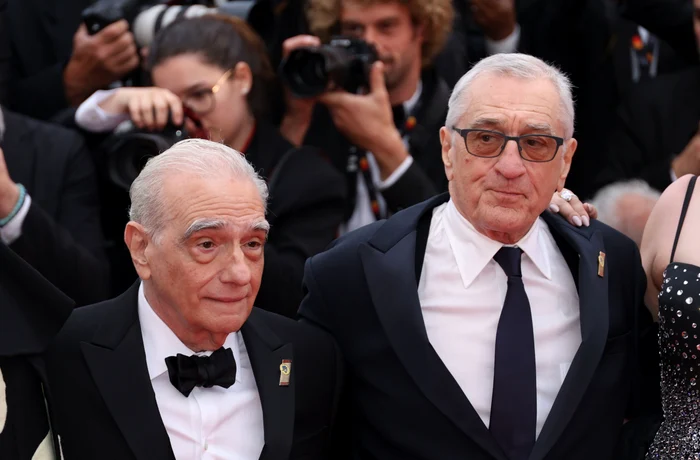
Martin Scorsese and Robert De Niro. PHOTO: Profimedia
Throughout his career, Scorsese has given the world masterpieces such as Taxi Driver, Goodfellas, Casino, The Departed (the film that brought him his first Oscar for directing) or The Irishman. His legendary collaborations with actors such as Robert De Niro and Leonardo DiCaprio have redefined the standards of contemporary cinema.
Beyond fiction films, Scorsese also distinguished himself as an avid film and music historian. He has made notable documentaries including No Direction Home (about Bob Dylan) and The Last Waltz.
1989: The Velvet Revolution begins
For Czechs and Slovaks, November 17 has a deep meaning: it marks the beginning of the Velvet Revolution, the moment that led to the collapse of the communist regime established in 1948. It all started in Prague, when a peaceful student demonstration was brutally repressed by law enforcement. The reaction of the authorities sparked the anger of the population, which, inspired by the events in Eastern Europe and the fall of the Berlin Wall, took to the streets in increasing numbers.
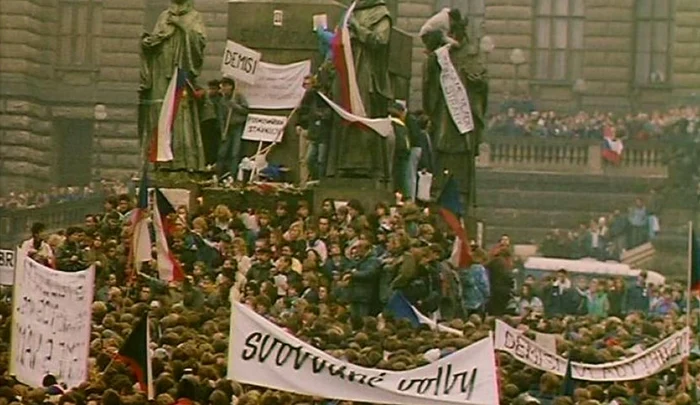
Czechoslovakia peacefully transitioned from dictatorship to a democratic regime. PHOTO: archive
Within days, around half a million people were protesting in the capital, and on November 27, 1989, the entire leadership of the Communist Party, led by Miloš Jakeš, resigned.
The demonstrations on November 17, originally organized to commemorate International Students' Day, turned into a broad national movement for freedom and democracy. Within weeks, Czechoslovakia peacefully transitioned from a dictatorship to a democratic regime, and in late December, Václav Havel was elected president of the country.
Ambassador of the Czech Republic, Jiří Šitler: “I think that many people perceive this day as I do – as a fundamental turning point, as the beginning of a new era of freedom and democracy.”
1992: Romania obtains the associate status of the European Economic Community
On November 17, in Brussels, Romania signed an agreement by which it obtained the status of an associated country of the European Economic Community (EEC), an important moment on the road to European integration.
The agreement represented a decisive step in bringing the country closer to the EU. PHOTO: archive
The document confirmed the recognition of the progress made by Romania in the process of political and economic reform after the collapse of the communist regime.
The agreement represented a decisive step in bringing the country closer to the European Union, contributing to the strengthening of economic, political and diplomatic relations with the member states. In the years that followed, Romania continued the process of modernization and reform, efforts that culminated in the official accession to the European Union in 2007.
2019: The first known case of COVID-19 is of a 55-year-old man who had visited a market in Wuhan
On November 17, 2019, the first case of COVID-19 was recorded worldwide. According to an investigation by South China Morning Post journalists, the first infected person was a 55-year-old man from Hubei Province, China, who had visited a local market in Wuhan.
The virus spread rapidly and the number of infections increased steadily. By December 15, 2019, the authorities had reported 27 cases, and on December 20, their number had reached 60, according to data cited by scmp.com.
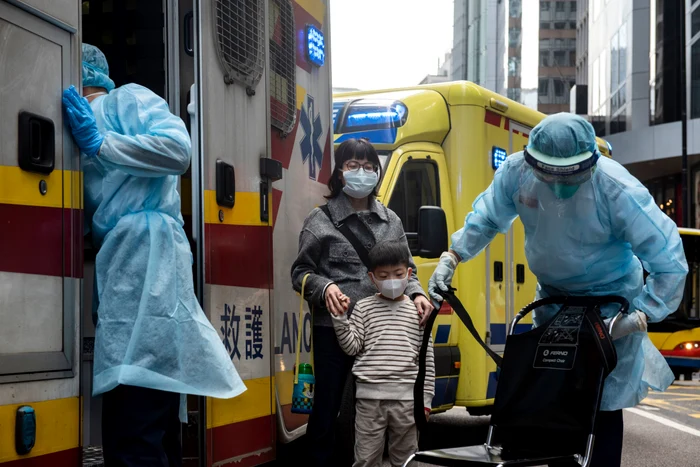
The first infected person was a 55-year-old man from Wuhan. PHOTO: archive
On December 27, Dr. Zhang Jixian, head of the pulmonology department at Hubei Provincial Hospital, officially informed the Chinese health authorities that more than 180 people were infected with the new coronavirus. A few days later, on December 31, 2019, China officially notified the World Health Organization (WHO) about the emergence of several cases of viral pneumonia in the city of Wuhan, according to data published on the who.int website.
At that time, specialists suspected that the virus had originated in a fish market in Wuhan, having been transmitted from animals to humans.
The researchers later indicated that the bat might be the original source of the virus.
On January 11, 2020, Chinese state media announced the first death from SARS-CoV-2 – a 61-year-old man who frequented the seafood market in Wuhan, the site of one of the largest health crises in recent history.