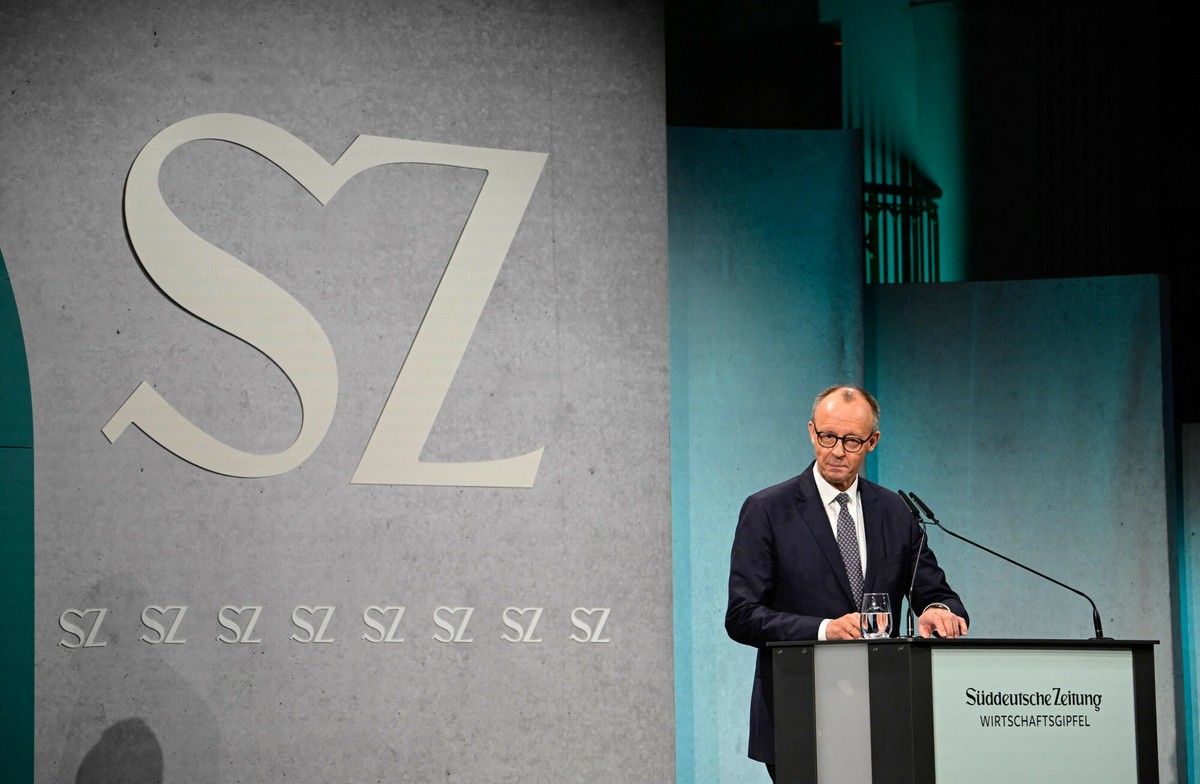
“We have become too sluggish, too slow and too bureaucratic,” said Friedrich Merz, emphasizing that his cabinet intends to speed up administrative activities. The key element of these changes is to be the digitization of immigration policy. The Chancellor announced the creation of a digital platform thanks to which qualified migrants will be able to register for a residence permit. This project is to be implemented on a pilot basis in two federal states before covering the whole of Germany. Merz described the initiative as a “powerful experiment” intended to streamline administrative processes and attract foreign specialists.
Read also: Germany lifts arms export restrictions to this country. After three months
Germans critical of Merz
Despite his ambitious plans, Friedrich Merz faces criticism from both society and his own party. A survey conducted for RTL television shows that only 16 percent Germans would like him to run for chancellor again. There were voices of opposition within the CDU to the government's pension reform plans, and some deputies announced they would vote against the project in the Bundestag.
The government led by Merz is also facing crises in the coalition, which regularly affect political stability. However, the Chancellor rejected the possibility of creating a minority government, arguing that it could harm the quality of legislative work.
Changes in the German energy sector
To counter the economic difficulties, the German government has proposed a number of measures to support industry and citizens. The plans include the introduction of state energy subsidies for industry in 2026–2028 and the construction of new gas power plants with a total capacity of eight gigawatts by 2031. The government also plans to reduce taxes on airline tickets, reduce corporate taxes from 2028 and reform social security contributions.
Friedrich Merz, who took over as chancellor in May, promised to lead Germany out of the economic crisis. However, after more than half a year, his rule is assessed negatively by the majority of citizens. In the face of these challenges, the Chancellor is focusing on reforms that are intended to speed up administrative processes and improve the country's economic condition.