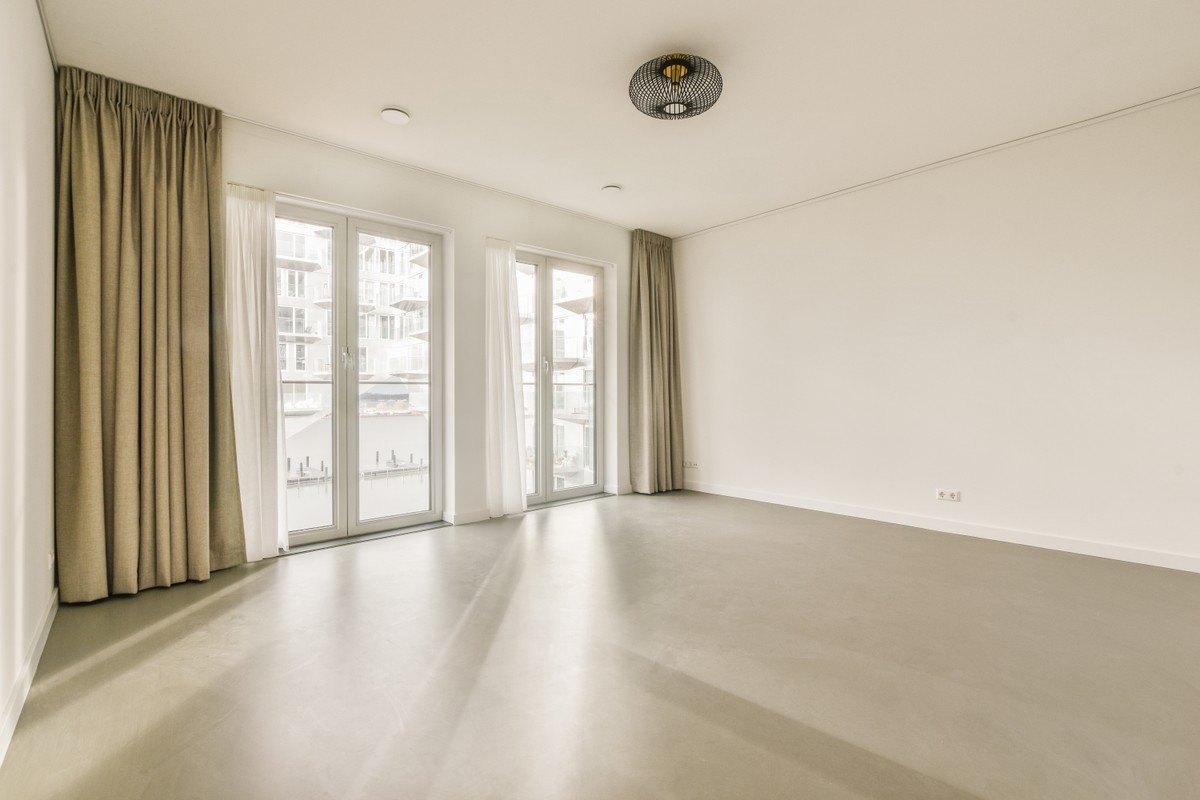
The vacancy tax is intended to discourage owners from keeping unused premises, and the cadastral tax is to tax the value of real estate.. However, experts warn that the introduction of such levies may have a domino effect. As noted by attorney Łukasz Chacia from the Karaś Chacia i Wspólnicy law firm, imprecise regulations regarding vacancies may lead to mass disputes with offices. The problem is the lack of a clear definition of what should be considered an “empty” premises. — does this include apartments under renovation, for sale or seasonally rented? – In my opinion – following the resolution of the Supreme Administrative Court of October 2024 (reference number III FPS 2/24) – the decisive factor will be whether keeping an empty apartment is an element of the entrepreneur's economic strategy, which, however, also leaves room for various interpretations – says the attorney.
Read also: Will developers pay higher tax? The first decisions are made
As Przemysław Dziąg, deputy general director of the Polish Association of Developer Companies, explained to Business Insider, Premises ready for sale are not vacant. “Developers build apartments with the intention of selling them,” he said.
As Łukasz Chacia argues, a cadastral tax would require the creation of a new real estate valuation system, regular updates and an extensive control apparatus. This means huge administrative costs and the risk of errors. As a result, instead of increasing the number of apartments, new burdens may limit investment activity. Developers will suspend projects and owners will give up renting. The consequence will be an increase in rental costs and further market polarization.
Who will pay for the new taxes?
Although the legislators' goal is to combat speculation, in practice the burden of new taxes will be borne by average apartment owners. As Grzegorz Kawecki, president of Pekabex Development, emphasizes, the costs will not remain with owners – they will be passed on to buyers and tenants. — Each additional fiscal burden means a real increase in property maintenance costs, which is ultimately reflected in apartment prices or rents. As a result, the problem of housing availability will deepen instead of being solved, says Kawecki.
The middle class will be the most affected. Many owners may be forced to sell their apartmentswhich will cause local price turbulence and deepen market inequality. The real economic effects of such regulations may be significant. — Developers, who today face rising costs of materials and labor, may limit the number of projects they implement, and individual investors may postpone purchase decisions. In the long term, this will translate into lower supply, less competition and another increase in prices – predicts the president of Pekabex Development.
See also: Entrepreneurs surprised by property tax demands
Will taxes solve the housing shortage problem? I don't think so
Experts agree that the vacancy tax and cadastral tax will not increase the supply of apartments – on the contrary, they may reduce it. To really improve the situation, actions supporting the construction industry are needed: shortening procedures, a stable legal environment and the development of public-private partnerships. Investments in infrastructure and facilitations for developers are the only way to increase the availability of apartments.
New taxes may therefore turn out to be not a systemic tool, but another burden for citizens, which will deepen the housing crisis instead of solving it.