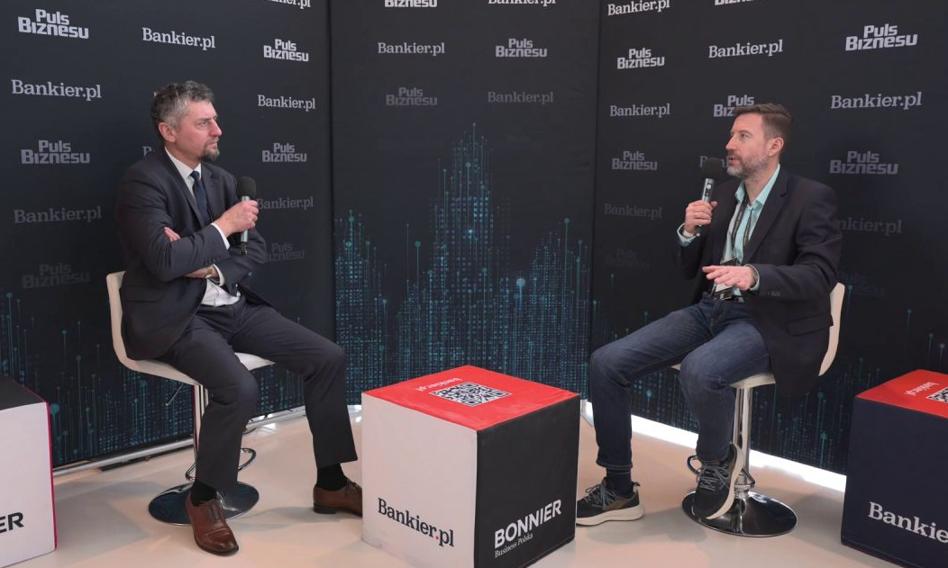
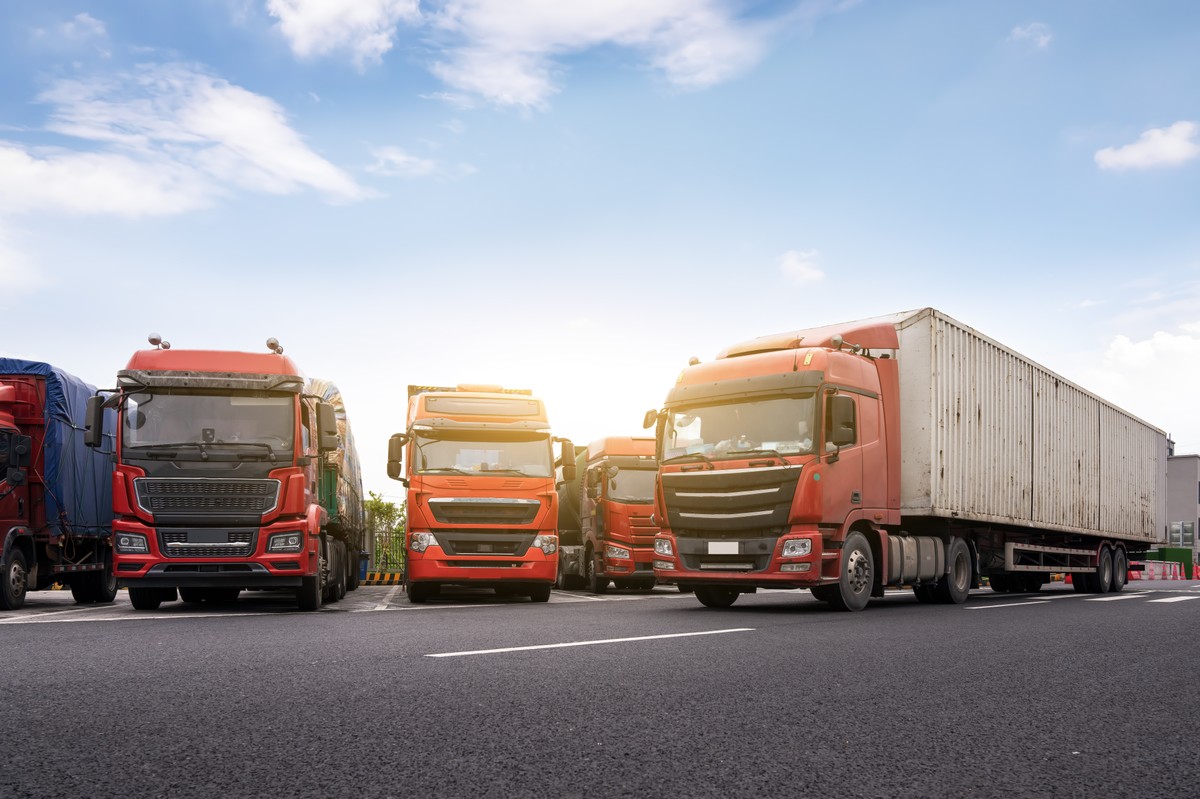
— Since September, we have been observing a significant increase in the number of orders for road transport services. Comparing the current situation to the same period in 2024, we are talking about a clear, approximately two-fold increase in interest in – says Aristoteleis Liadis, director of international road transport of the BENELUX&DACH cluster, DSV – Global Transport and Logistics.
In his opinion, this is not an ordinary seasonal pre-Christmas peak, but a signal of a real economic rebound. As he emphasizes, this may be the beginning of a positive trend, although it is difficult to assess whether the increase in demand will continue in the coming months.
The transport industry is facing a challenge
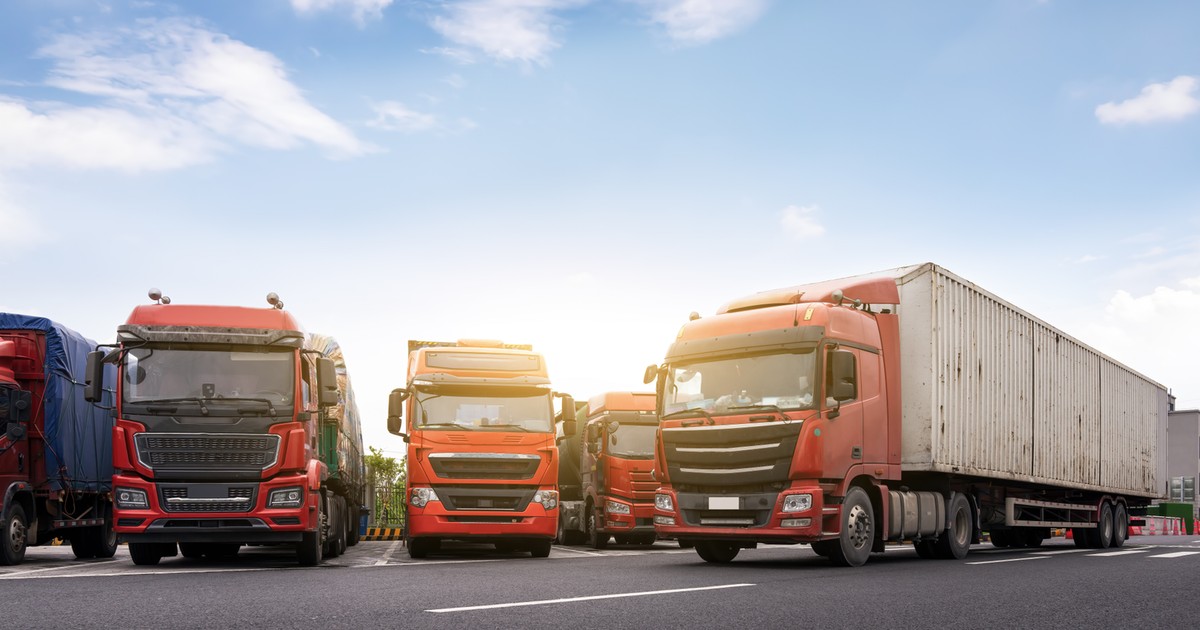
From the perspective of Polish transport companies, such a revival should be good news. After months of stagnation and falling margins, exports are gaining momentum again. The problem is that the industry is entering this stage with fewer resources. Over the past two years, many companies have reduced vehicle numbers as they try to survive rising labor and fuel costs and falling profitability. In some cases the cuts meant reducing the fleet by up to half. Some enterprises closed their operations.
As Aristoteleis Liadis explains, the situation is particularly difficult for enterprises that have so far relied only on ad hoc cooperation. Exporters without long-term contracts are in a bind: they will either accept a price several dozen percent higher than in the summer, or they will not send the goods at all. Those who are willing to accept higher costs still have to take into account longer delivery times.
Read also: Transport of wind turbines. Transport even requires reconstruction of roads
Staff shortages are also a barrier. — The driver shortage is a serious problem for both the Polish and European transport industry. Estimates as to the scale of this phenomenon on our market are quite divergent, but the most common figures are between 100,000 and 200,000.. The problem of driver shortage affects both domestic and international lines to a similar extent – says Piotr Czajkowski, Senior Manager Haulier Management DSV.
Poland is coping with this crisis slightly better than parts of Western Europe, because part of the fleet is operated by drivers from Ukraine and Belarus. However, as Piotr Czajkowski points out, this is not a long-term solution. The driving profession is clearly aging, and young people do not choose this profession.
The job of a professional driver is unattractive to young people
The analysis of the International Road Transport Union shows thatonly three percent professional drivers in Poland are less than 25 years old. For twenty-year-olds, being a driver is one of the least attractive jobs. Constant trips, long stays away from home, lack of work-life balance – all this goes against the expectations of the young generation.
The financial barrier is also important. — The cost of obtaining full qualifications is approximately PLN 10,000. zloty. We need a support system, for example financing courses for future drivers – explains the expert.
A temporary solution is to employ drivers from outside the European Union. Most of them still come from Ukraine and Belarus, but Polish routes are increasingly seeing drivers from more distant countries, such as the Philippines, India and Kazakhstan.. However, long procedures for legalization of work and recognition of qualifications, as well as the language barrier, make this not a quick or easy way to fill staff shortages.
Read also: CPK opens recruitment. Tens of thousands of jobs by 2032
Bitter consequences of austerity and staff shortages
The situation is becoming extremely difficult for smaller transport companies that dominate the Polish market. Companies with several or a dozen vehicles operate on minimal margins. If there is a shortage of drivers, the cars remain unused and the entrepreneur still pays leasing, insurance and servicing. For many, this means the risk of losing financial liquidity.
In the long run, the lack of drivers means further increase in transport prices. The smaller number of available carriers and the increasingly stronger negotiating position of drivers will translate into logistics costs and, as a result, also into product prices. The driver deficit becomes a barrier not only for the transport industry, but for the entire economy.
Entrepreneurs are looking for solutions
Experts emphasize that structural solutions require cooperation between the industry and administration. One of the most important challenges is to facilitate access to the profession through the system financial support for future drivers and shortening employment legalization procedures for people from outside the EU.
The second equally important element is improving drivers' working conditions. It is not only about remuneration, but above all about social conditions along routes and shortening loading and unloading times, which is facilitated by digitalization.
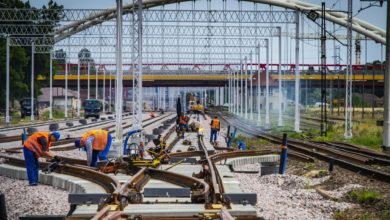
From a systemic perspective, changes in the way transport is organized may also play a key role. Development of intermodal transportwhere part of the route is by rail, will significantly reduce the number of trucks on the road. One train can replace up to thirty or forty trailers.
– Fortunately, activity at the EU level is visible here – says Piotr Czajkowski. — As part of the National Reconstruction and Resilience Plan, PLN 781.6 million has been allocated for investments in the development of the intermodal network for Poland.
Additional potential lies in groupage transport, which enables the consolidation of many smaller loads within one transport unit, which increases the efficiency of fleet use.
Economic recovery is good news. But without drivers and trucks, Polish exports will not take advantage of this boom. Transport, instead of supporting development, will become its brake.