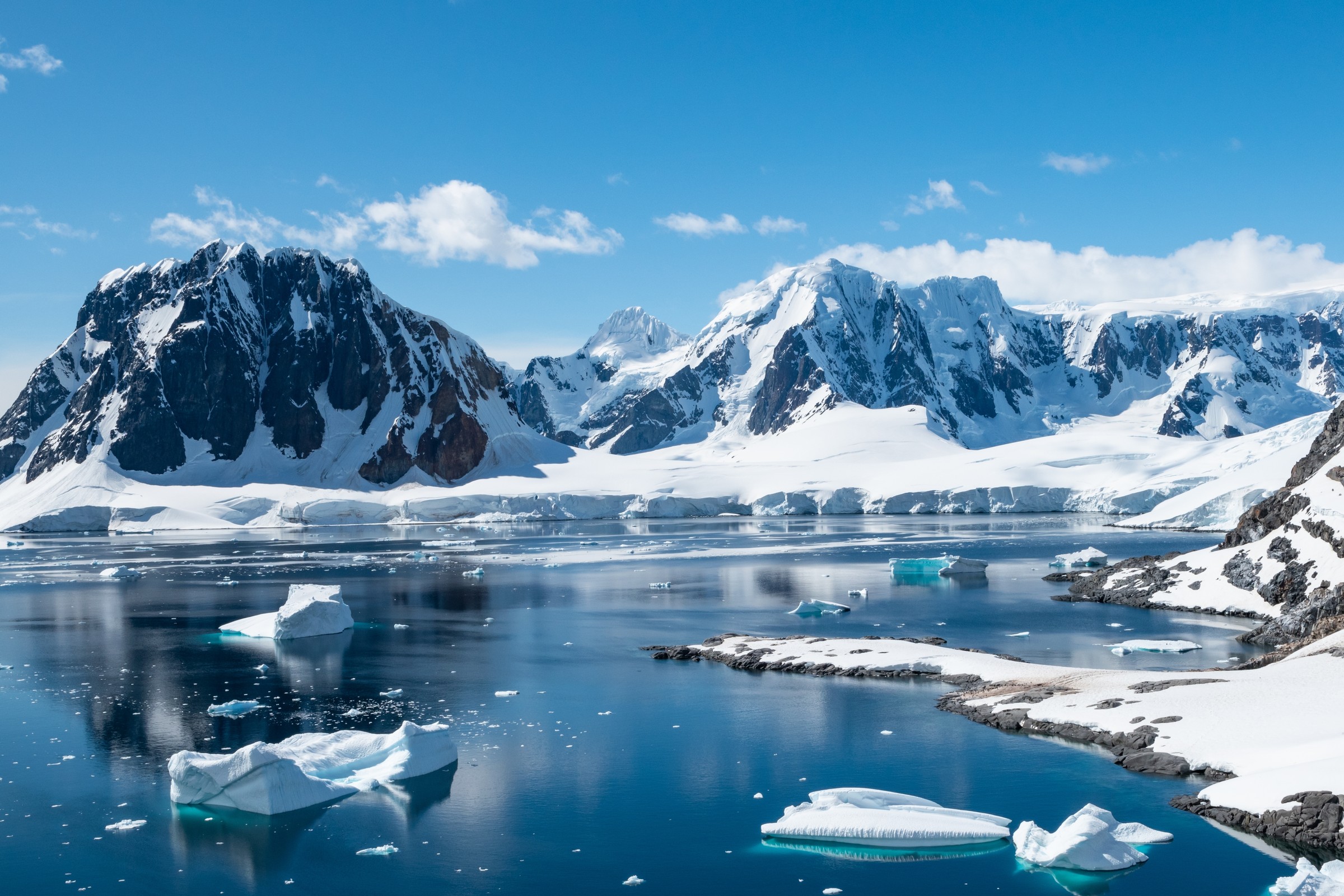
Its authors warn that melting ice sheets and ice shelves and disruptions in ocean circulation may lead to a rapid rise in sea levels, destabilization of the climate and the collapse of marine ecosystems. In their opinion, only a quick and decisive reduction in greenhouse gas emissions can stop the avalanche of ongoing phenomena.
The article continues below the video
What changes are happening in Antarctica?
What are the consequences of melting ice sheets?
Why are changes in Antarctica irreversible?
What actions are necessary to reduce greenhouse gas emissions?
The publication indicates that the fastest and most disturbing changes are taking place in the West Antarctic Ice Sheet, and their main cause is the continuous increase in the level of carbon dioxide in the atmosphere. A complete collapse of the area could raise global ocean levels by more than 3 m, threatening coastal populations and major cities around the world.
“This would have disastrous consequences for subsequent generations,” emphasized Dr. Nerilie Abram from the Australian National University, the lead author of the study. She added that unfavorable processes are already observed in Antarctic ice, oceans and ecosystems, and each subsequent fraction of a degree of global warming will deepen them.
According to Dr. Abram, the rapid shrinking of the sea ice cover around Antarctica is another disturbing signal. Ice loss makes ice shelves increasingly vulnerable to the damaging effects of waves. In addition, the exposed ocean surface absorbs more solar radiation, which further accelerates the heating of this area.
The researcher also pointed out that waters in the Southern Ocean are circulating less and less, which means that the climate systems around Antarctica respond to warming more strongly than previously thought. Weakened circulation leads to a rapid decline in nutrients in surface waters, which poses a threat to aquatic organisms.
Co-author of the study: prof. Matthew England from the University of New South Wales added that the effects of changes taking place in Antarctica will also be felt in Australia.
— Rising sea levels will threaten coastal communities, and the warming and deoxygenation of the Southern Ocean will reduce its capacity to absorb carbon dioxide. This, in turn, will translate into even more warming in the region and around the world, he warned.
The loss of sea ice is already having a dramatic impact on Antarctic wildlife. The authors of the publication recalled that emperor penguin colonies lose entire broods of chicks due to premature melting of ice. A similar threat concerns krill, seals and other species that constitute the basis of the local food chain. Ocean warming and acidification also negatively affect phytoplankton, which is a key element of the marine ecosystem.
The authors pointed out that actions within the Antarctic Treaty remain extremely important, but will not be enough to stop the effects of global warming.
— The only way to avoid further changes and their global consequences is to reduce greenhouse gas emissions as quickly as possible and to keep the temperature increase as close to 1.5 degrees Celsius as possible, said Dr. Abram. In her view, governments, industry and society must take into account the accelerating pace of warming in the region and incorporate it into climate change adaptation plans. This applies especially to the countries most exposed to their effects.