This was not a routine diplomatic meeting. US President Donald Trump stormed the party when Russia and China thought they had a closed guest list. Chinese President Xi Jinping hosted the same leaders in Kazakhstan in June, promoting his Belt and Road initiative. Vladimir Putin gathered them in Tajikistan in October for military exercises and beak-snapping.
And now Trump is stepping in with his own summit, his own deals, his own grand vision for the region. Subtext? Central Asia is up for grabsand Washington is tired of sitting on the sidelines.
The US no longer wants to be dependent on China
Let's look at what came out of this peak: $12.4 billion. [ok. 45 mld zł] in trade agreements. The “Trump Trail” trade corridor – a direct warning shot for China's infrastructure empire.
But the main plot is not direct trade. It's about what lies beneath the soil of Central Asia. Kazakhstan has just discovered reserves of rare earth metals exceeding 20 million tons. It is estimated that over the next decade this region may absorb mineral wealth worth USD 180-250 billion. [ok. 660-915 mld zł]
We are talking about raw materials for the production of semiconductors, electric vehicles, advanced defense systems, and artificial intelligence infrastructure. The things that determine who will dominate the 21st century.
And now? China controls 90 percent. global processing of rare earth metals. 90 percent! Beijing has turned this monopoly into a weapon. April 2025: restrictions on seven rare earth metals. October: for five more. Every time it's a reminder of that The United States is dangerously dependent on a strategic rival in the field of materials that go into all kinds of equipment, from the F-35 to iPhones.
Trump's Central Asian game is to meet him halfway. Diversification of supply chains. Breaking Beijing's grip. An alternative to American industry that doesn't go through Shanghai.
“Minerals for everything.” An immoral but effective approach
What makes this particularly striking? 10th anniversary of the establishment of the C5+1 diplomatic format, Central Asian countries and the USA. What started as a modest multilateral framework suddenly became a platform for power competition. President of Uzbekistan Shavkat Mirziyoyev called Trump the “president of the world”. Yes, it is diplomatic theater, but also revealing.
Central Asian leaders no longer choose between Moscow's security umbrella and Beijing's economic embrace. They play great powers against each other. And Washington finally offers something worth playing for.
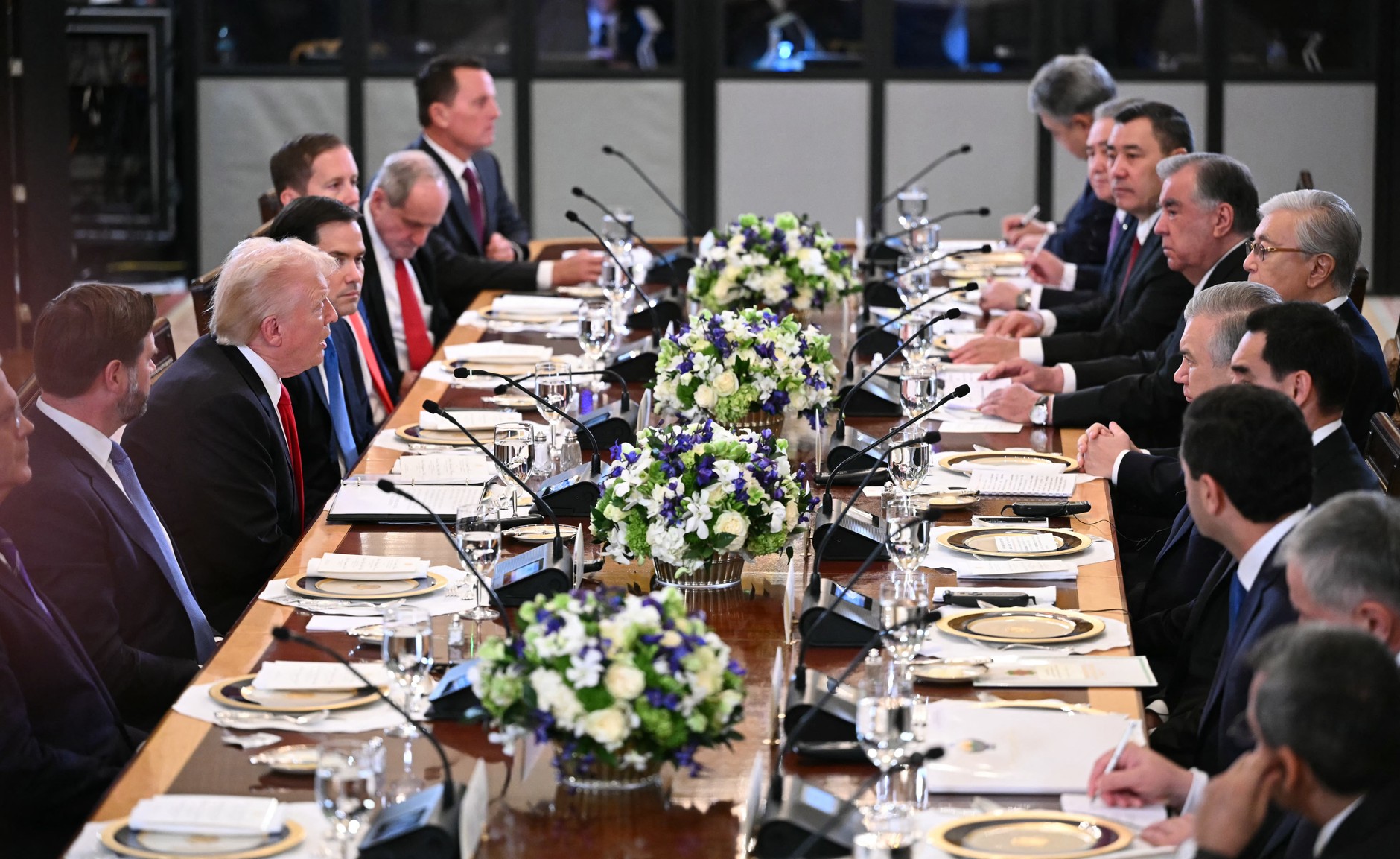
Meeting of American authorities with the presidents of Kazakhstan, Kyrgyzstan, Tajikistan, Turkmenistan and Uzbekistan. Washington, November 6, 2025Mandel Ngan / AFP
A bipartisan push to repeal Soviet-era trade restrictions? It's not just cleaning. The US Congress recognizes that Central Asia is no longer peripheral. These countries play a key role in the global technology race. Russia can continue to provide security guarantees. China can continue to build roads and railways. But the United States positions itself as an economic partner without authoritarian and, in the case of Russia, neocolonial connections.
Now let's talk about the whole pattern, because the Central Asian case does not happen in isolation. April: Trump signed a minerals deal with Ukraine. Reconstruction fund, you know. But really? The idea was to secure rare earth metals and lithium. Billions for reconstruction, with US preferential access to terms. June: Trump brokered peace between Congo and Rwanda and ended a brutal war. Great stuff. At the same time, he provided the US with access to the world's largest reserves of cobalt and tantalum. The price for peace was mineral rights.
Greenland. Trump's threats weren't about territorial expansion — they were about 31 of the 34 critical minerals the EU considers essential. Australia signed an agreement worth $3 billion in October. [ok. 11 mld zł]clearly linking mineral development with security cooperation. Japan and South Korea are preparing for similar agreements.
You could call it a transactional approach, exploitation, resource colonialism with good PR. And rightly so. There is something very disturbing about the “minerals for everything” approach.. Minerals for safety. Minerals for help. Minerals for market access. Trump is using everything America has — his military umbrella, his capital markets, his consumer base — to open up access to minerals wherever he can find them.
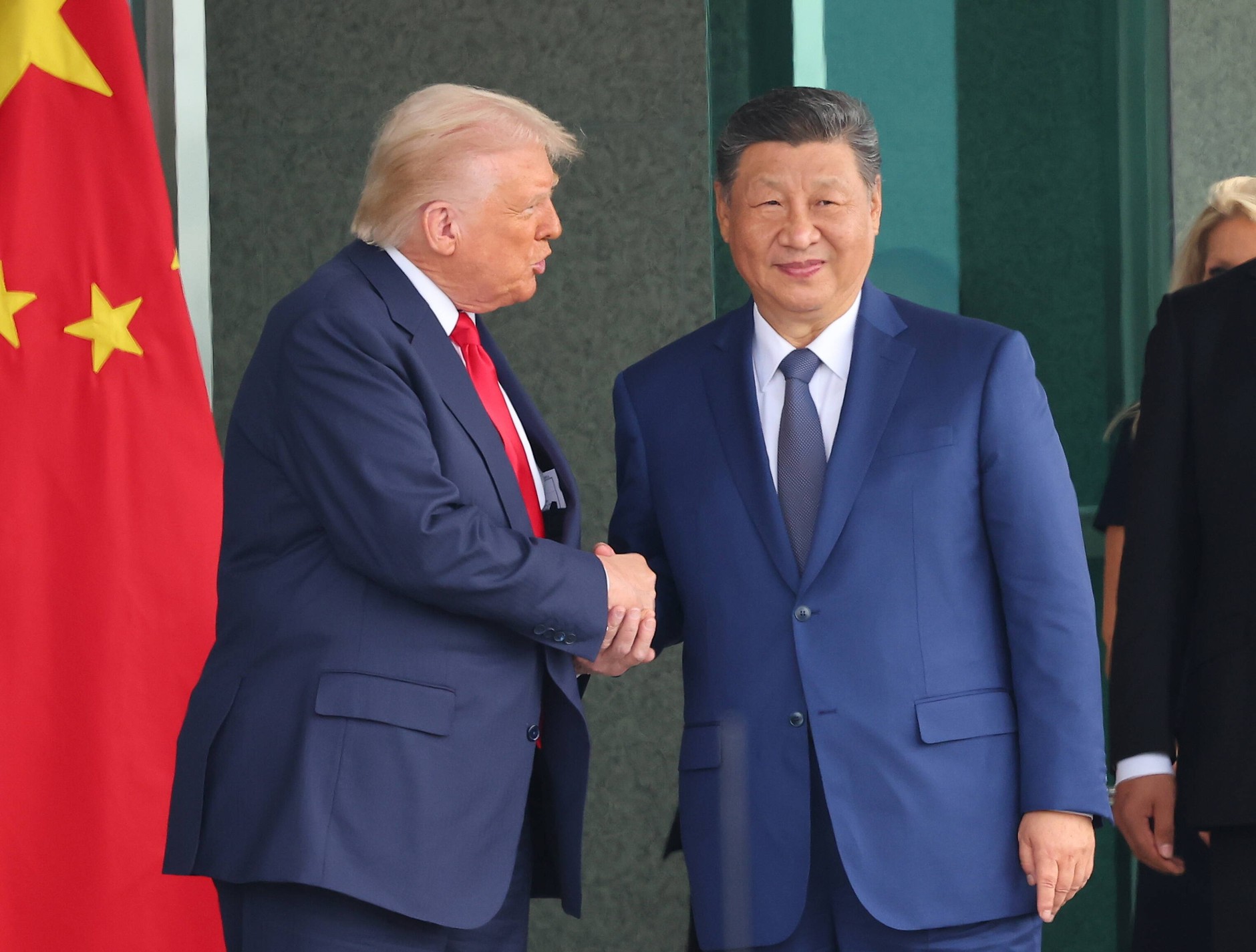
Donald Trump and Xi Jinping in Busan, South Korea, October 30, 2025.YONHAP SOUTH/EPA/PAP
Is Washington simply replacing Beijing's extraction model with its own? Probably yes. Moral ambiguity is real, and anyone who pretends otherwise has something to sell. It seems to work though. Deal by deal, Trump is building supply chains that bypass China. Whether this is a brilliant strategy or a moral compromise depends on whether you are in Washington or Kinshasa. But from the perspective of pure power politics, this is a coherent American raw materials strategy.
An opportunity Trump cannot waste
Long term may be an issue. Shows at the top are easy. Lasting commitment is difficult. Central Asian leaders watched the rise and fall of empires. They have seen superpowers make promises and then disappear. They are pragmatic to the point of cynicism. What they want isn't rhetoric — it's trade that actually flows, investment that materializes, partnerships that survive one administration.
If this works—if Trump's Central Asia strategy actually works—it will change the balance of power in Eurasia. Break China's monopoly on rare earth metals. It is also an alternative to Russian domination. It will prove that American influence goes far beyond NATO and traditional allies.
But what if it doesn't work out? What if trade agreements remain on paper and the “Trump Trail” becomes another infrastructure fantasy? In this case, Thursday's peak will join a long list of missed opportunities in a region where opportunities don't come twice.
In short, Trump has identified the right battleground. Rare earths and critical minerals are the oil of the 21st century, and whoever controls them writes the rules. Central Asia is where this fight is currently taking place. The question isn't whether the United States should compete there – it's whether it will have the strength to win.