This is probably the last year without price increases. Pressure is growing in the US and Europe

In the US, tariffs and worse sentiment readings are limiting demand. This makes it difficult to pass on costs to customers without the risk of losing business. This experience is also becoming closer to the SME sector in the EU.
On the European horizon, the picture is mixed but still far from comfortable. The European Commission's sentiment indicator recovered slightly in October 2025, but remains below the long-term average in both the EU and the euro area. In other words: there is improvement, but it is still a “below a hundred” climate in which purchases and investments are made more carefully.
The next part below the video:
At the same time, the SMEunited Craft and SME Barometer recorded spring 2025 a decline in the business climate index just above the recession line – a signal that the average small business is still struggling more for survival than for expansion.
The ECB's projections for 2025 also lower the outlook for foreign demand, and this does not help exporters or sub-suppliers. In such an environment, companies are less likely to reward more expensive costs with higher sales volumes, so the pressure to increase prices increases.
Read also: As much as 90 percent companies increased their revenues. “They're going for more”
In Poland, additional risk factors
Compared to Europe, Poland has a few cost risk factors of its own. The most important is the cost of work. From January 1, 2025, the minimum wage increased to PLN 4,666 gross, which – although it improves the situation of employees – increases the total remuneration costs in companies with a high share of minimum wages.
In the second half of 2025, there was a strong growth in electricity prices, reported by Eurostat. Prices for households increased by approximately 20 percent in the first half of the year. y/y, and Poland was one of the countries with the fastest growth rate. The government has frozen energy prices for the fourth quarter of 2025, which limits the risk of a sudden increase in bills, but this is a temporary solution – after its expiry in 2026, the cost of energy may again become a variable difficult to control. Especially for micro and small enterprises.
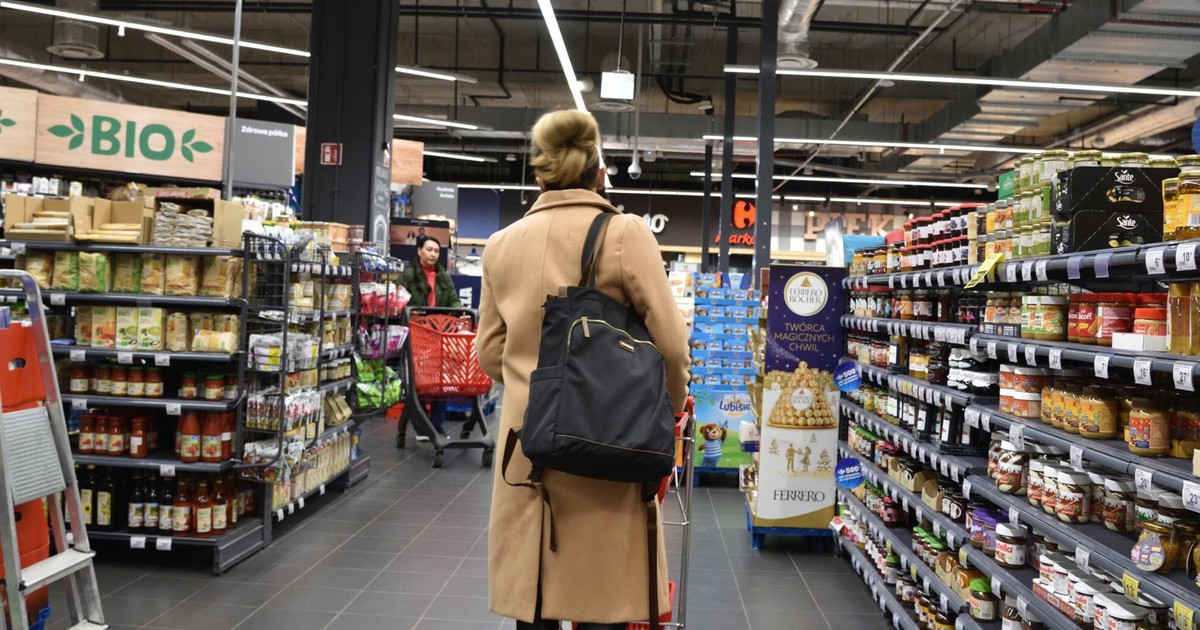
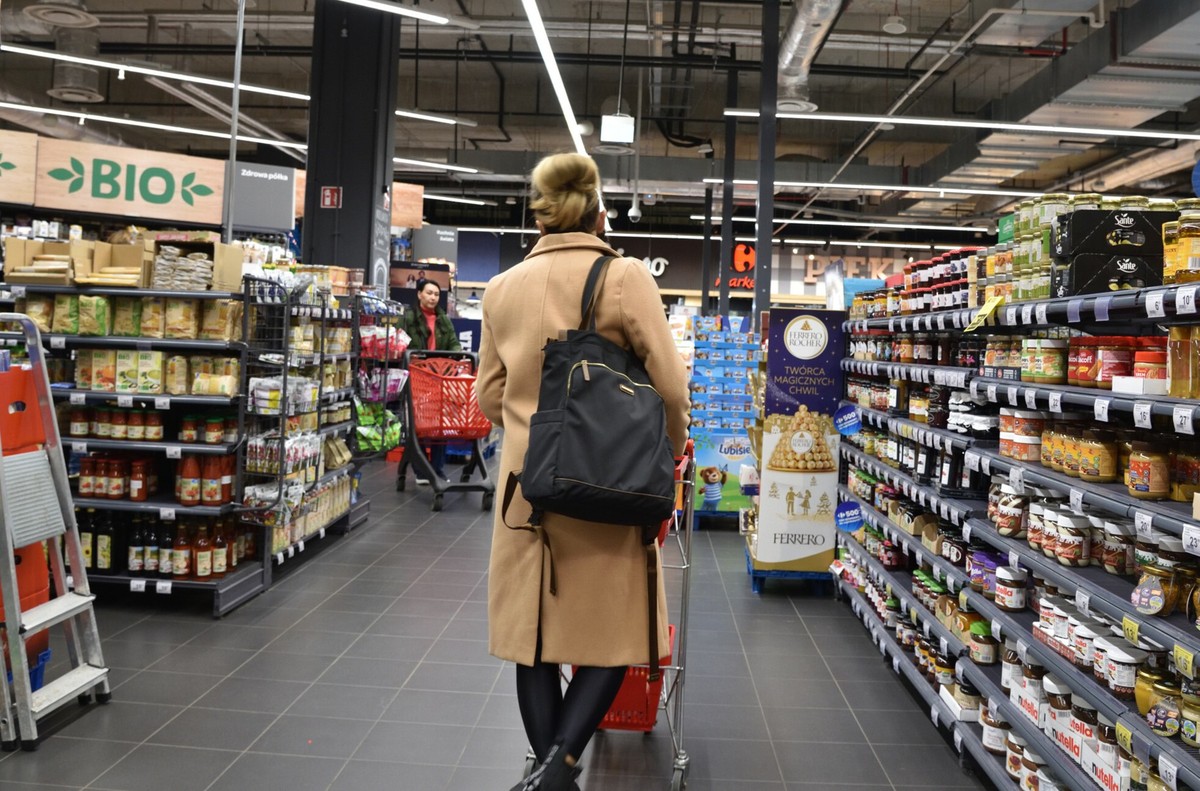
On the demand side, in Poland, the end of 2025 brought a deterioration in consumer sentiment measured by the Central Statistical Office, even though annual inflation was around 3%. Therefore, the consumer is less willing to spend large sums, and small pleasures and purchases up to PLN 100-150 are replacing larger baskets. This is exactly the phenomenon that US companies describe as the “little treat economy” – in Polish reality, it strengthens promotions and smaller product formats, but limits the space for price list increases in the premium segment.
From the entrepreneur's perspective, this means the need to play with the margin and product mix, and thus again – losing the cushion that has so far cushioned the increase in costs.
What about inflation and rates?
Price indices in Poland approached the upper target range in 2025, and expectations for the coming years indicate a gradual cooling of price dynamics. At the same time, because demand has not fully recovered, and labor and energy costs are rising, there is also a growing probability that some small companies will translate these costs into prices only after the holiday season – i.e. in the first quarter of 2026.
This is consistent with the observation from the USA, where companies plan to eliminate discounts after the New Year and openly talk about the need for price increases. In the European Union, overall consumer sentiment indicators improved in October but remain below average. This does not provide a comfortable background for aggressive price list adjustments here and now.
Therefore, a mix of four factors for 2026 will be particularly important for Polish SMEs:
- Expiration of shields and freezing of energy prices
- New path for minimum wage and contributions
- Elasticity of demand in still moderate moods
- Competitive pressure from large chains which – similarly to the US – have more room for promotions and cross-subsidizing categories (covering lower margins or losses in one offer with profits from another to maintain competitive prices and the company's result)
SMEunited's spring data shows that Across the EU, companies are entering the new year with fragile optimismand the Commission announces regulatory simplifications (including for the so-called small-mid caps), which may help some growing companies, but does not relieve micro-enterprises from the problem of economic calculations in everyday operations.
Without a lasting improvement in energy costs and productivity (automation, digitization of processes), it will be difficult to avoid more widespread increases.