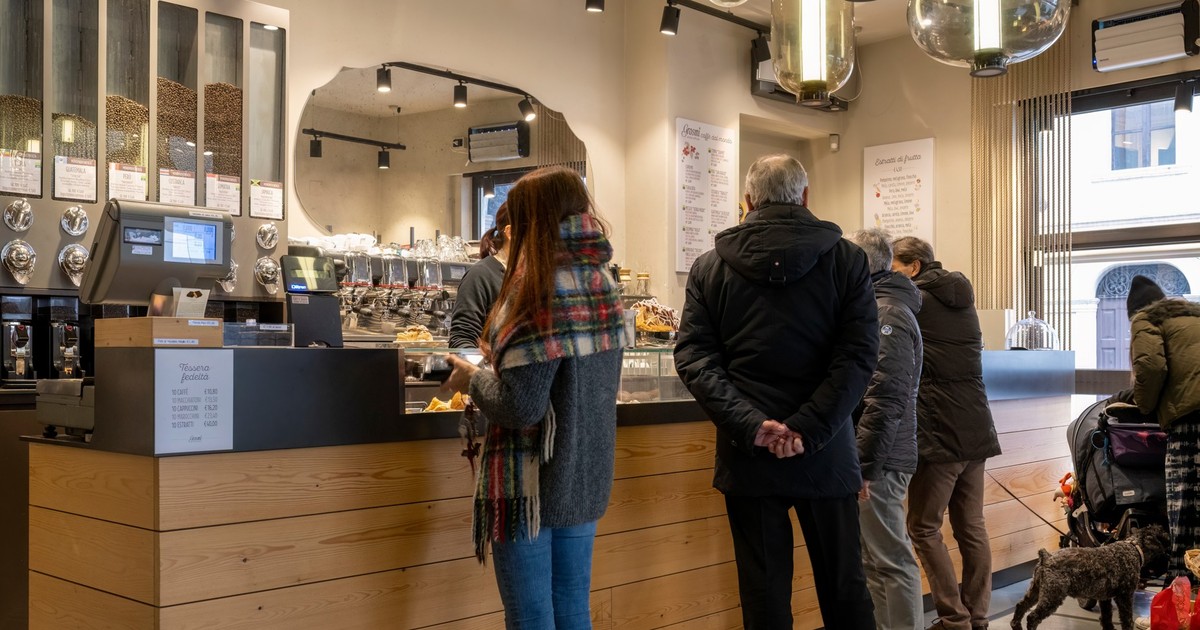
Reactions? Some people turn up their nose at the fact that you're missing out on dolce vita with a cup, others They sarcastically joke that a “time fee” should be added to the bill.
Why do venues introduce time limits? There are several reasons and they are all quite mundane. In the catering industry, energy, rental and product prices are rising faster than margins. If the table is occupied for an hour with one coffee, the restaurant or cafe loses the opportunity to place further orders.
The next part below the video:
The limit organizes the work of the room, improves the predictability of reservations and shortens queues. From the customer's point of view, yes politics may be unpopular, but it has a side effect: it is easier to find a free seat, and the staff is less likely to “burn” between tables.
The owners also emphasize the equality aspect – short time frames discourage people from sitting with a laptop drinking one cup of coffee for half the day, which can be a problem especially for smaller establishments.
Similar practices not only in this place
The Italian discussion is no exception. In Salzburg, more and more restaurants limit reservation times, often to two hours for dinner. There, too, the argument is operational: predictability and the ability to accommodate a larger number of guests during the evening peak. Some customers treat it with reserve, but many appreciate that the table ordered for 7 p.m. is actually waiting and does not turn into a lottery.
Can similar solutions appear in Poland? They're already popping up in places – though usually more discreetly, as “soft” requests for reservations or as a practice known during lunch hours. As a rule, the entrepreneur may regulate the rules for the use of tables, provided that all guests are clearly and equally informed.
The limit must be transparent, visible before placing the order and applied without discrimination. Most often, it takes the form of a polite note in the booking confirmation (“table for 90 minutes”) or a message at the entrance. In Polish conditions, the flexible model works best, i.e. shorter frames at the top and full freedom beyond itor a simple rule “you extend it – you order something else”, which does not put anyone in an awkward situation.
Culturally, Poles are closer to the Italian celebration of coffee than to the British time discipline, which is why rigid quarters for espresso will rather remain a curiosity than the norm.
However, during peak hours in popular cafes, you can expect an increasing number of precise announcements about reservation times. For guests, this means more predictability, for owners – more efficient room management and less cost pressure.