This date – November 7 – passed almost unnoticed in Russia. A date that once shook the world, that defined a superpower for seven decades. The anniversary of the Bolshevik Revolution – October 25-26, 1917 on the old Julian calendar, November 7-8 on the modern count – has become little more than a historical footnote for the nation it created.
For generations of citizens of the Soviet Union, November 7 meant something. In terms of significance, it was the second holiday after Victory Day in 1945. Red Square was filled with tanks, rockets and soldiers marching in elaborate displays of Soviet power. Children grew up with stories about the storming of the Winter Palace.
The date was sacred, unchanging, woven into the fabric of what it meant to be Soviet. And now? Russians go to work on November 7 like any other working day. The revolution led by Lenin was quietly sidelined.
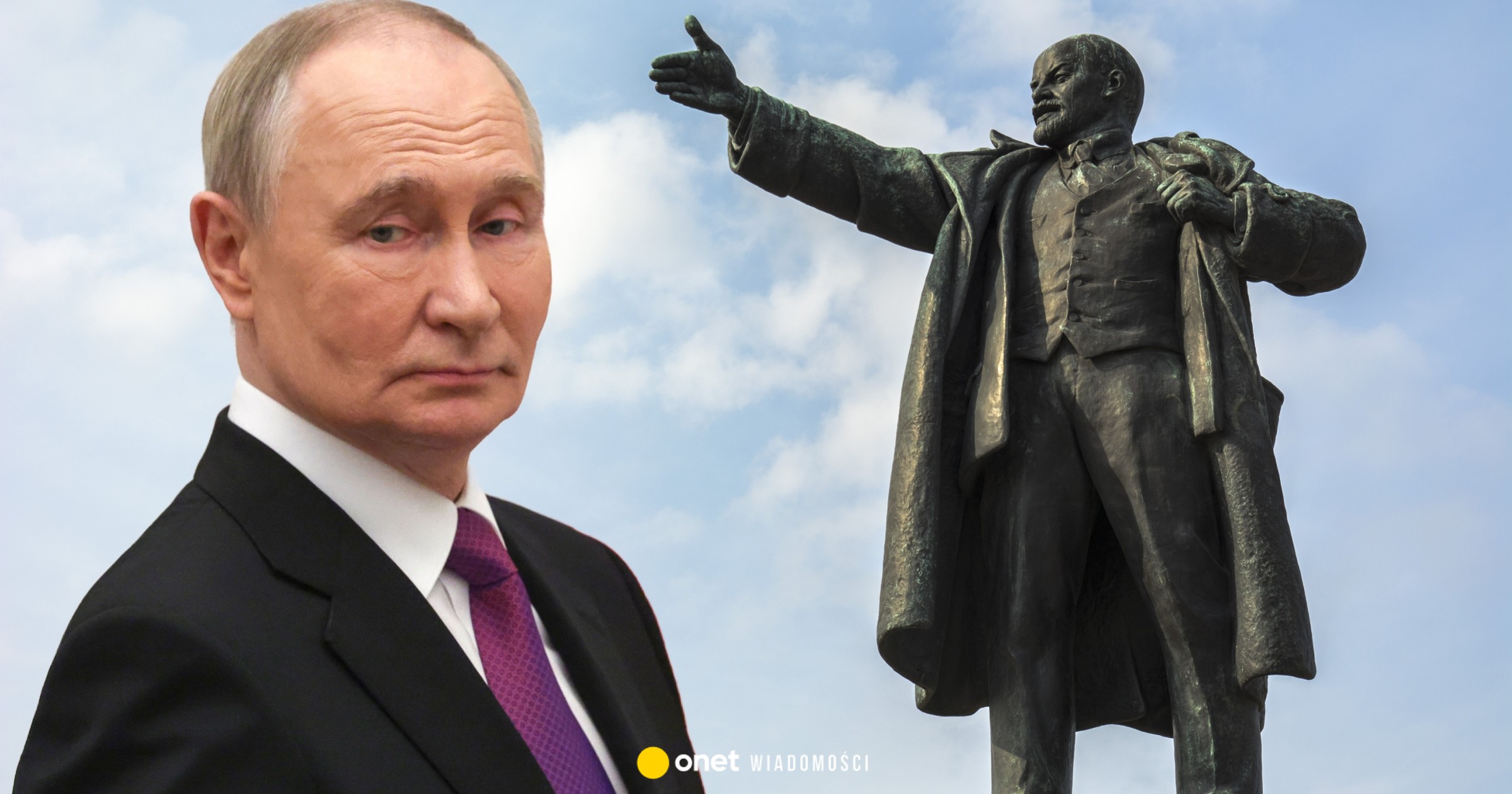
Putin despises Lenin's revolutionary, federal legacy
The political logic is not difficult to guess. In 2005, Putin replaced the November 7 holiday with National Unity Day on November 4 — commemorating the expulsion “Polish occupiers” from Moscow in 1612
The message was clear: out with revolutionary zeal, welcome with pre-Soviet continuity and patriotic unity. November 7 was theoretically renamed “Military Glory Day”, but even this applies to parade on Red Square in 1941 during World War II. Not until the revolution itself. The Bolsheviks were removed from their own anniversary.
This reached its peak in 2017, when the Kremlin basically shrugged on the 100th anniversary of the revolution. Historians around the world, especially those on the left, tend to mark his pivotal moment in human history. And in Russia? Silent academic conferences. Little official fanfare. Putin himself expressed his views quite clearlycriticizing Lenin for planting a “time bomb” on the Russian state by creating a federal structure that ultimately led to the collapse of the USSR.
For a leader obsessed with centralized power, territorial expansion and the restoration of Russia's imperial “greatness”, Lenin's legacy is more a cautionary tale than a founding myth.
Putin cannot cope with the Soviet past
But this official amnesia hides something more problematic. Polls show that about half of Russian citizens still have positive feelings about that date and what it meant. We are dealing here with a generational division, an ideological divisionwhich Putin's government would rather alleviate than confront.
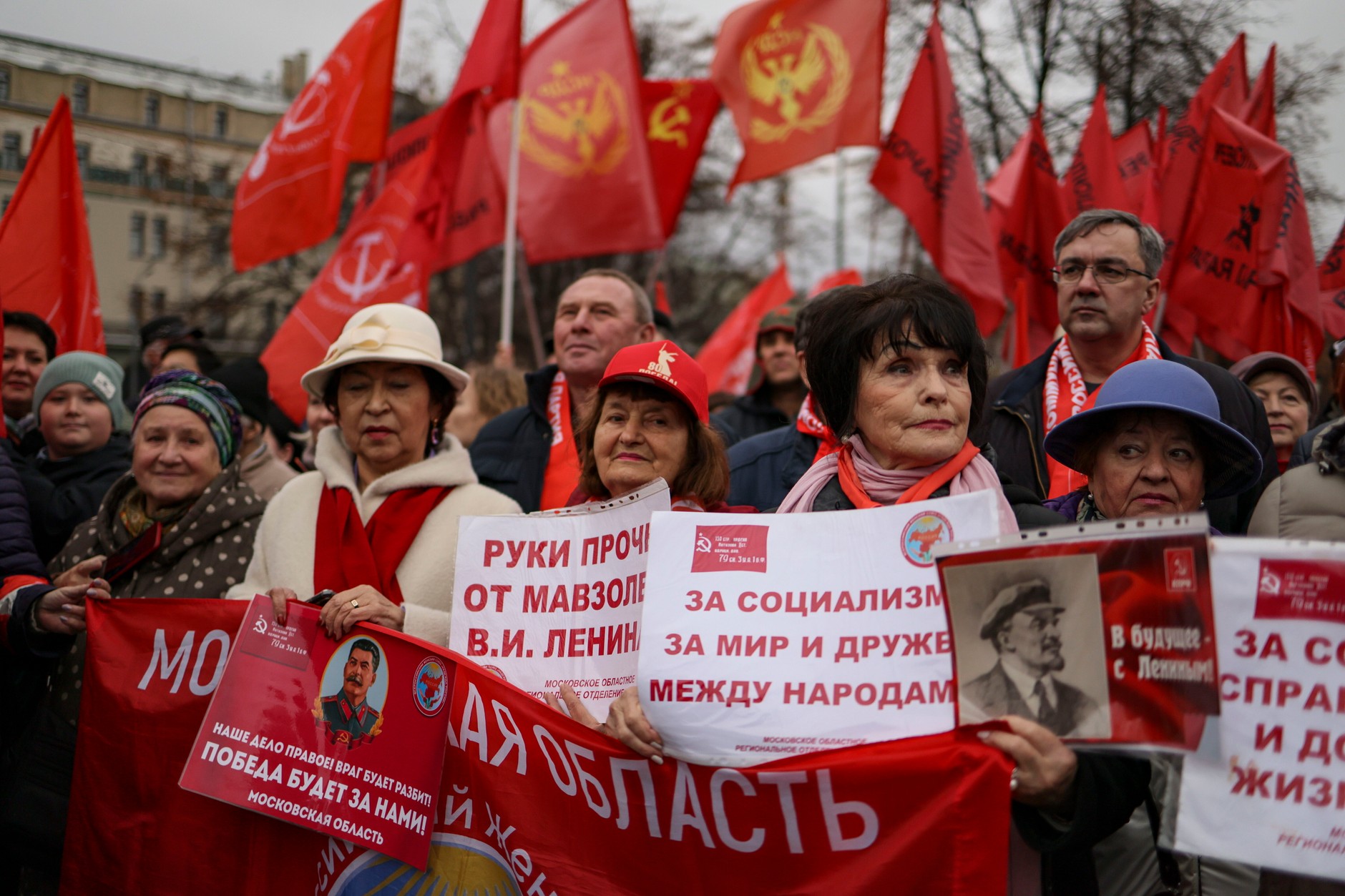
Supporters of the Russian Communist Party during the celebration of the 108th anniversary of the Great October Revolution. Moscow, November 7, 2025EPA/SERGEI ILNITSKY / PAP
The Communist Party continues to organize commemorative ceremonies. Senior citizens who grew up in Soviet times they often feel nostalgic for stability and superpower status. For them, November 7 still matters, even if the Kremlin has moved on.
Compare this to how other nations remember their revolutionary moments. France celebrates Bastille Day with undisguised pride. Americans turn July 4 into a festival of complete patriotism. These revolutions were also violent. They destroyed the old orders. However, they have been woven into national narratives as moments of birth, not trauma. Russia's refusal to do the same with 1917 exposes the unresolved contradictions that consume its national identity.
In the tsar's country, it is better not to mention the revolution
Interestingly, Belarus still celebrates November 7 as a public holiday. They call it the Day of the October Revolution. This little fact shows how Russia's relationship with its Soviet past differs even from its closest allies. Minsk maintains continuity with Soviet traditions. Moscow practices selective amnesia, taking what it likes from Soviet history (victory in World War II, yes) and throwing out the rest (the revolution that started it all).
The Bolshevik Revolution was the violent overthrow of the established order, at this point, after the abolition of imperial tsarist autocracy and would-be democracy. Class war. Radical transformation. At all costs! We know its terrible consequences, but Putin did not allow Russians to confront the brutal facts. He closed down organizations and even imprisoned those Russians who tried to reveal the truth and honor the memory of the victims.
For a government that values stability above all else and sees popular grassroots movements (in Ukraine, Georgia or, God forbid, in its own country) as an existential threat, celebrating an extremely radical legacy becomes impossible. The silence around November 7 is not just about forgetting. It's about controlling the present and shaping what's to come.
By letting the anniversary of the Bolshevik Revolution fade into oblivion, Putin's Russia is signaling what kind of nation it wants to be: not born of revolutionary fervor, but rooted in older, pre-Soviet traditions of autocratic rule and tsarist power. The revolution that once defined Russia has become, in today's once again aggressive and chauvinistic Russia, a revolution best left unmentioned. After all, who needs Lenin when today there is Putin, who can be worshiped as Russia's newest tsar?