The invisible tragedy in the Persian Gulf. The drama of sailors trapped with the bodies of their colleagues [KOMENTARZ]

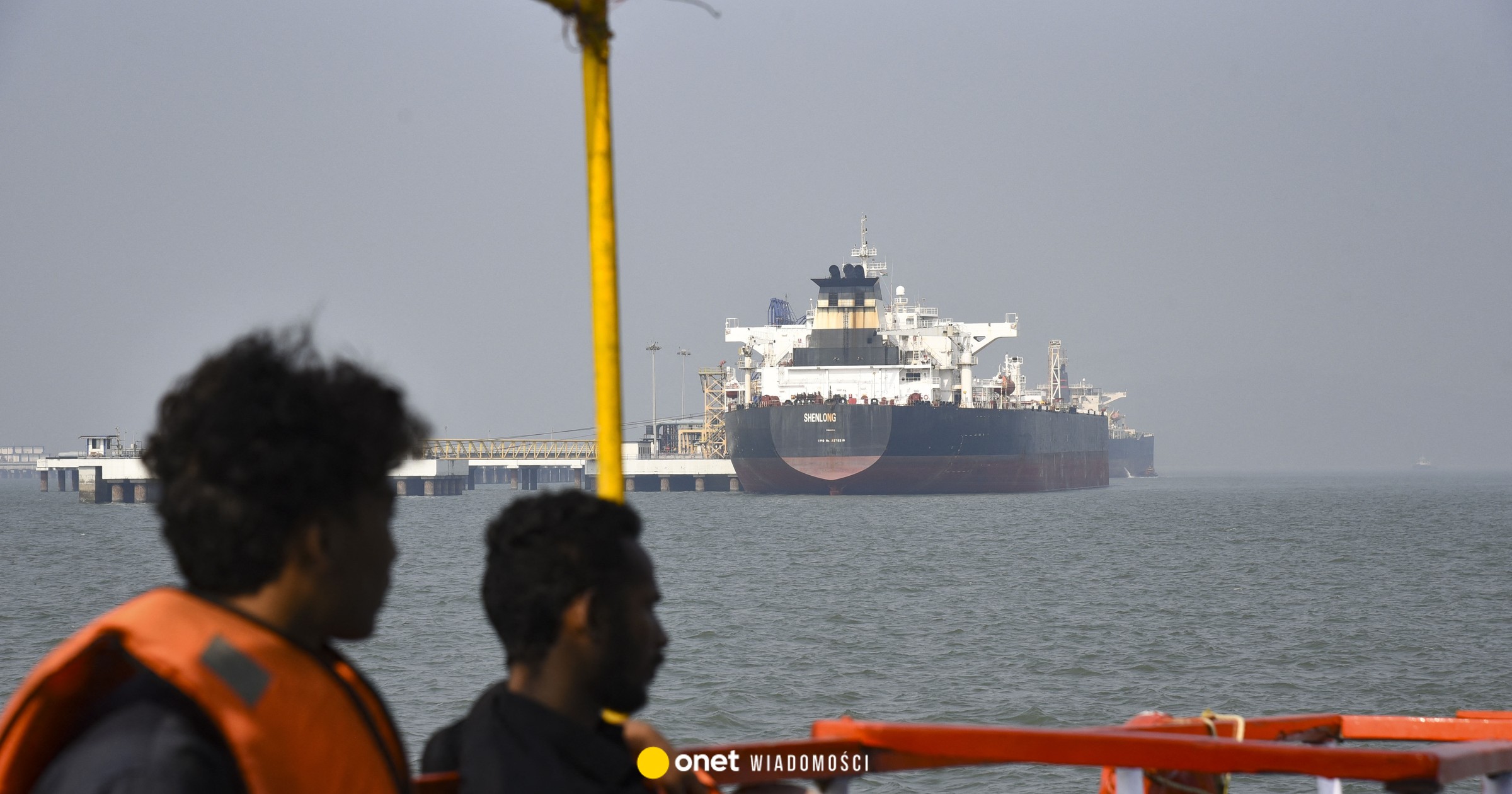
In the Persian Gulf, thousands of sailors are stranded on ships that cannot move – often carrying dangerous or perishable cargo and sometimes carrying injured or dead crew members who cannot be evacuated. In the Red Sea, sailors have been struggling with similar threats for over two years.
These are not isolated cases. As global tensions intensify, seafarers are bearing the consequences. The result is a real human tragedy – and its effects will affect us all.
For the rest, over 20 thousand. seafarers, the terrible state of limbo that began on February 28 continues.
The death toll has now crossed single digits and is now in double digits. And the people on board have families, they have children. In a war situation, people like them are forgotten
said Joshua Hutchinson, commercial director of maritime risk firm Ambrey.
And indeed it is so.
Waiting for help that doesn't come
While the world – rightly – worries about oil and gas prices, access to fertilizers and other economic consequences of the war with Iran, sailors stranded in the Persian Gulf find themselves in an increasingly dire situation. And although the Gulf itself is undoubtedly safer than the Strait of Hormuz, this does not mean that it is safe: some of those killed and wounded from the beginning of the conflict were on ships in the Gulf.
View from a stranded ship in the Strait of Hormuz, March 5, 2026.STRINGER / ANADOLU AGENCY / Anadolu Agency via AFP / AFP
The situation is so dangerous that in some cases it was not possible to evacuate injured sailors. Some died while waiting for medical help. As a result the survivors are on ships with the bodies of their colleagues.
And that's not all.
Trapped without supplies, on a ticking bomb
Some of the stranded ships are running out of food and other basic supplies.
Getting supplies to ships isn't as easy as people think
Hutchinson explained.
— Now we are starting to see pressure on supply chains. Supply companies operate locally. The price of fuel increased from $700. per tonne (approx. PLN 2,800) to over USD 2,000. (approx. PLN 8,000), and the companies themselves must first obtain this fuel – which is not easy when the Strait of Hormuz is closed. And in such a situation, just delivering supplies to the trapped ships requires a lot of time and resources, he added.
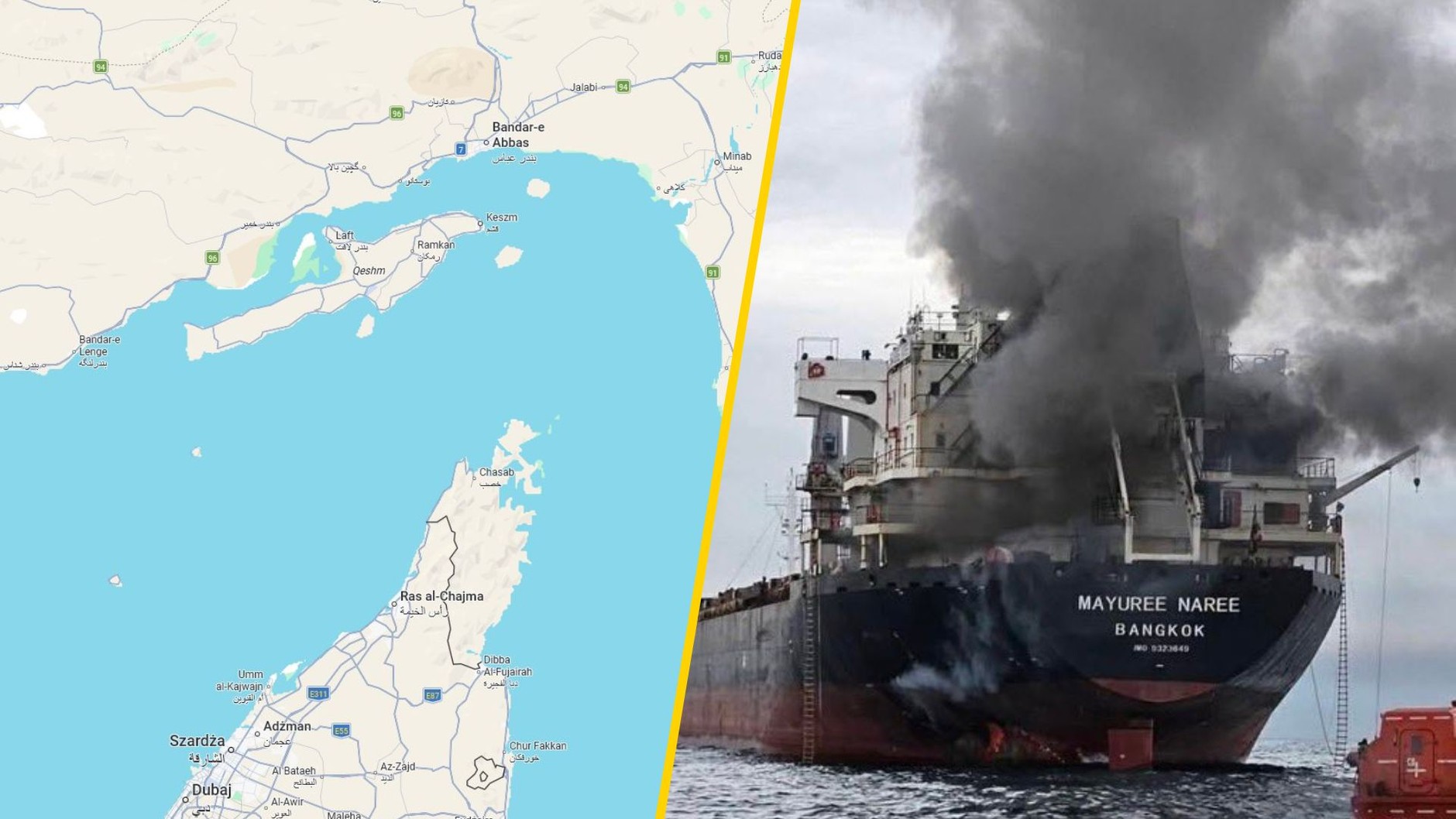
One of the ships attacked in the Strait of Hormuz ran aground on the Iranian coastGoogle Maps/Onet/X/OSINTtechnical
Ships carry various types of cargo – obviously oil, gas and fertilizers, but also perishable goods and most likely live animals. Imagine that you are sitting on a cargo that could explode at any moment.
Some ships will be able to leave, but those linked to the US and Israel have no exit route
Hutchinson noted.
Not their war, and they are paying the ultimate price
Ships linked to Europe may also remain trapped. According to the Financial Times, on March 24, Iran sent a letter to members of the International Maritime Organization in which it announced that “non-hostile vessels” would be allowed to pass, but at the same time Tehran “has taken necessary and proportionate measures to prevent aggressors and their allies from using the Strait of Hormuz to conduct activities against Iran.”
Ship crews come from all over the world: enlisted sailors are most often from the Philippines, India or Indonesia, while officers are usually from Russia, Ukraine, Romania or Bulgaria. These hard-working people are on the front lines of geopolitical conflicts over which they have no influence.
“We are dealing with a huge problem”
Meanwhile, compliance with maritime law rules is weakening around the world, which will harm both consumers and national economies in the long run. Without maritime transport, there is no trade, no production, and indeed no large-scale economic activity.
But those most affected are, of course, the nearly 2 million women and men working on merchant ships.
Growing geopolitical tensions and war are targeting international shipping. The maritime domain was already on fire before this war, and this conflict has only increased the danger to sailors
said Svein Ringbakken, CEO of war risk insurer DNK.
These crews may remain out of our sight, but their plight should not fade from our awareness – precisely because we need them 24 hours a day, every day.
We are dealing with a huge problem in the maritime industry. Why would anyone want to go out to sea in these conditions? Yes, you can earn good money, but if it means risking war every day? A few hundred dollars in premium for entering the risk zone won't convince enough people. We will have difficulty both recruiting and retaining crews. Soldiers go into service consciously accepting the risk of war – but that shouldn't be expected of sailors
Hutchinson warns.
And indeed, it shouldn't. Just a hundred years ago, many Westerners worked at sea. Over time, life on land began to offer more opportunities, so most potential seafarers stayed at home.
The crews trapped in the Gulf deserve our attention because they are suffering. And the future of global shipping also depends on it.