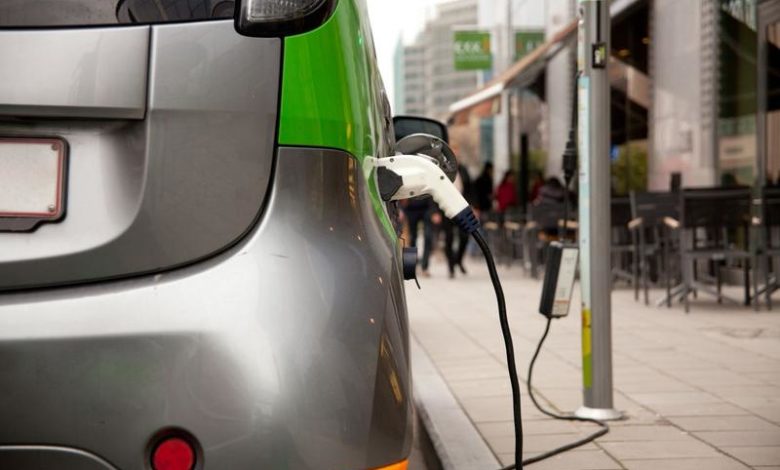
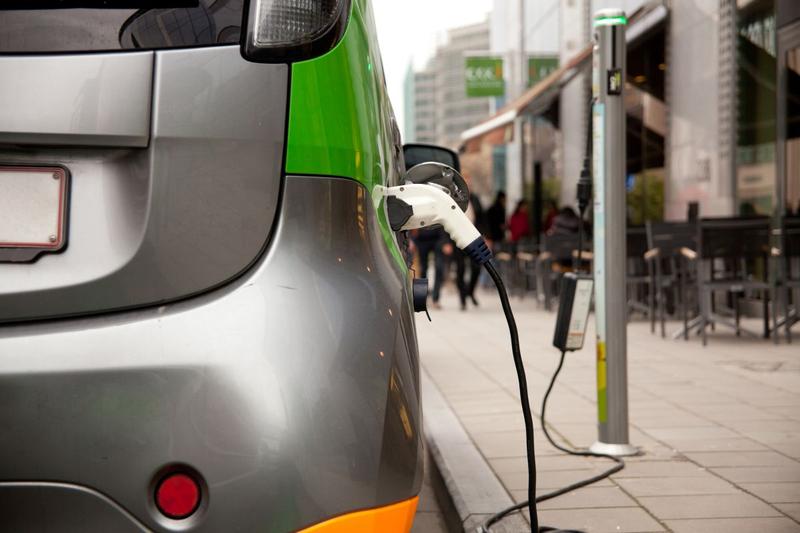
Electric car charging, Photo: Viorel Dudau, Dreamstime.com
Britain's government is considering introducing a new tax on electric vehicles, it announced on Thursday, in what the cabinet described as an attempt to make “a fairer system for all drivers”, reports AFP.
If it goes ahead, the plan will bring electric vehicles more in line with gasoline and diesel vehicles, which critics say could discourage drivers from ditching internal combustion engines.
“Fuel duty covers petrol and diesel, but there is no equivalent for electric vehicles,” a government spokesman said.
The British finance minister, Rachel Reeves, will announce at the presentation of the draft budget on November 26, a tax of three pence per mile for electric vehicles, according to the Daily Telegraph.
The publication claims the scheme will be implemented in 2028 following a consultation and will cost electric car drivers an average of £250 a year.
The reaction of the auto industry
SMMT, the UK car industry's trade association, said “to introduce such a complex and costly regime, which targets the very vehicles manufacturers are challenged to sell, would be a strategic mistake”.
It could have the effect of “putting consumers off and further undermining the industry's ability to meet mandatory ZEV (zero-emission vehicle) targets”, added the SMMT, which says 1 in 4 vehicles sold in the UK is fully electric.
Countries like Iceland and New Zealand have already implemented a mileage tax for electric vehicles.
The Office for Budget Responsibility, the UK's public finance watchdog, estimates that fuel taxes will bring in £24.4bn in 2025/26, representing 2% of government revenue.
Under current law, fuel excise revenue would decline over time as more drivers switch to electric vehicles.
Reeves, who has already raised taxes significantly this year, particularly on businesses, while cutting spending, is under pressure to balance public finances without hurting faltering economic growth.
This week she refused to rule out a possible rise in income tax or VAT, which the Labor Party said before last year's general election victory would not rise.
Photo: Viorel Dudau, Dreamstime.com