Anna Korólczyk-Lewandowska, Business Insider Polska: What are the strategic goals of Urban Partners on the Polish real estate market in the coming years? Which segments will be key?
Maciej Piotrowicz, head of Urban Partners in Poland: First of all, it's worth remembering who we are. Urban Partners is an international investment manager that raises capital from investors and invests it in specific investment strategies. In Poland, we operate as part of the NSF fund, which implements the value add strategy, i.e. investments that increase the value of real estate through modernization, revitalization or development of new projects. We focus on two main segments: logistics and residential. Both are crucial for us and we see great potential for further development in both. In practice, this means that we will continue to develop projects in the PRS formula, as well as continue investing in modern and sustainable warehouse facilities.
Has the rebranding from Nrep to Urban Partners influenced the way investments are conducted in Poland? What changes have been experienced by local partners and customers?
The name change was part of the global process of unifying brands within the group, and not an organizational revolution. We wanted to simplify communication with the market and partners – previously we had different brands, such as Nrep or Velo Capital, which was sometimes unclear for many market participants. Today, everything operates under the common banner of Urban Partners, which strengthens our identity and cohesion. However, neither our investment strategies, team nor organization have changed. It was just a logical simplification – and honestly, I'm very happy about it.
Read also: Office rents in Warsaw are rising. What influences their growth?
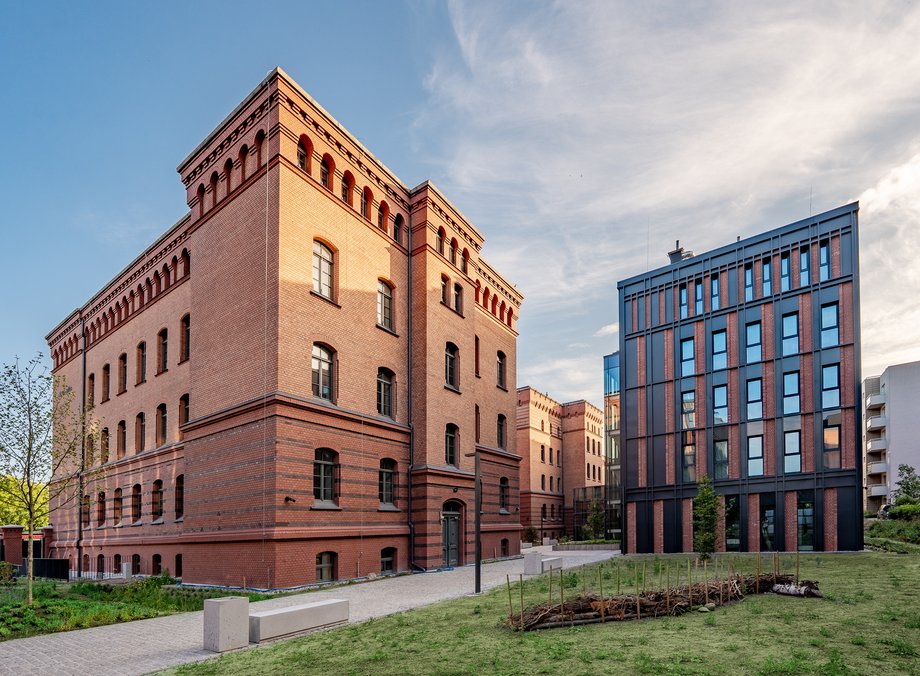
Noli Gdańsk Old Town
|
Urban Partners
Decarbonization of construction
Urban Partners declares a strong commitment to the decarbonization of construction. What specific actions are you taking in Poland?
This is a strategic direction for us. The real estate industry is responsible for approximately 40%. global CO₂ emissions, so we have an obligation to act responsibly. We are a member of the Science Based Targets initiative, under which we set and report emission reduction targets in line with scientific standards. In Poland, we focus on reducing both embedded and operational emissions. In practice, this means using low-emission materials – mainly steel and concrete with a lower carbon footprint – and improving the energy efficiency of buildings. In many projects, we use hybrid heating substations with heat pumps, as well as mechanical ventilation systems with heat recovery. In parallel, we test new solutions as part of the internal Earth Shots program, in which we check innovative technologies before implementing them more widely. In Denmark, for example, we are implementing the Ripple Residence project – an innovative multi-family building made of CLT wood, designed using renewable energy sources, and in a way that allows its disassembly and reuse of elements in the future. This is an experiment that may set the direction for the future of low-emission construction.
Are certificates such as BREEAM standard for all new Urban Partners investments?
Yes, we assume that all our buildings will be certified. However, I believe that certificates should be a starting point, not an end in itself. It's good that they create a common language and allow you to compare objects, but in themselves they do not guarantee real climate neutrality. Therefore, for us, certification is a direction, and ultimately, specific actions are needed in the field of emission reduction, selection of materials and improvement of energy efficiency. In short: certificates help, but they are not enough.
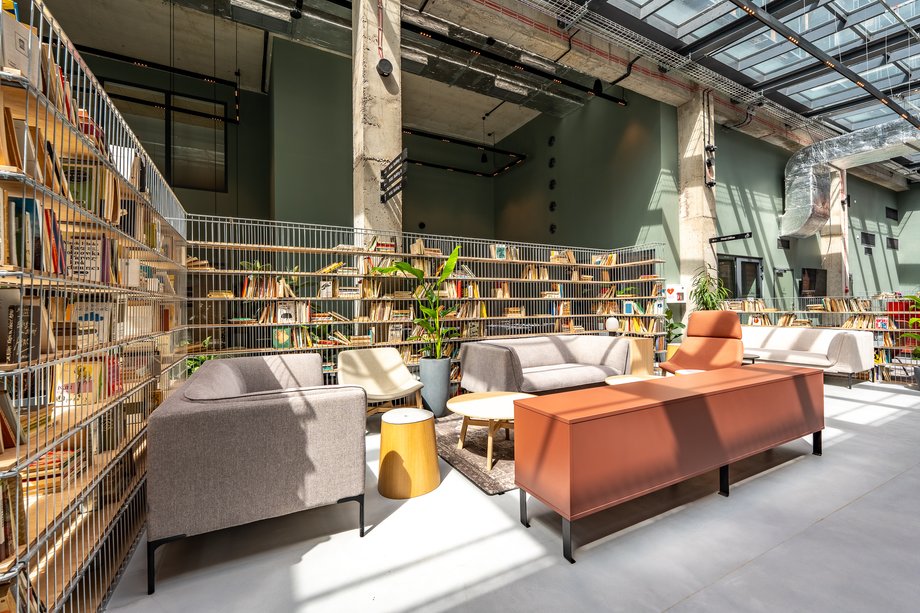
Noli Gdańsk Old Town – interior
|
Urban Partners
See also: How much do you need to invest in an apartment in Dubai? [TABELA]
ESG is a permanent element
How do you measure the impact of projects on the environment and local community? Is ESG still a key element of the strategy?
Definitely yes. ESG is not a fad, but a permanent element of risk management and responsibility. Based on Science Based Targets guidelines, we measure a range of environmental indicators – from carbon footprint to energy efficiency. We publish this data in ESG reports, which we make available to investors in full transparency. What is equally important, we look not only at the environmental aspect, but also, among others, social – how our projects affect local communities, mobility and housing availability.
Urban Partners is developing the Lett platform in Poland. What are the plans for its further expansion?
Lett is our product from the PRS (Private Rented Sector) segment – apartments for institutional rent. We currently have three buildings in Warsaw with over 400 apartments, and another 500 apartments are under construction. We focus primarily on large cities – Warsaw, Gdańsk, Wrocław and Kraków. We want Lett to become a recognizable brand offering a modern, transparent and safe rental model. This product meets the needs of people who value flexibility and transparency – they do not want to worry that the owner will suddenly terminate the contract or that the standard of the apartment does not correspond to what is shown in the photos. Our tenant knows exactly what he is paying for and is sure of quality and service.
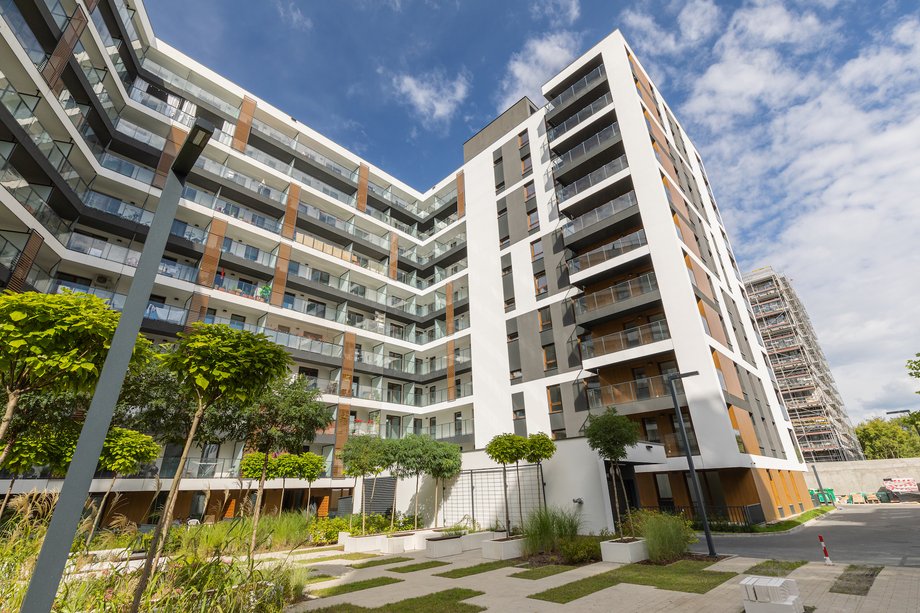
Lett Kłobucka project in Warsaw
|
Urban Partners
PRS not only in Warsaw
Do you see potential for the development of the PRS market outside Warsaw?
Definitely yes. In Poland, only about 15 percent people rent apartments, while in Western Europe it is often over 30%. This shows how much space there is for development. The demand is growing because many people cannot or do not want to buy apartments on credit. Mobility is becoming an increasingly important value – people want to change their place of residence when their professional or family situation changes. PRS fits this trend perfectly. Currently, there are approximately 25,000 companies operating in Poland. apartments in the institutional formula, i.e. less than half a percent. the entire rental market. This is just the beginning – and while demand is huge, the pace of development depends on the availability of capital and the stability of the regulatory environment.
What are the biggest barriers to the development of the PRS sector from an investor's perspective?
The biggest challenge is limited access to capital and the still immature market. Foreign investors still dominate in Poland, and local capital constitutes a small part of financing. This translates into lower market liquidity and greater sensitivity to political turmoil. The second problem is the lack of transaction history – investors want to know what conditions they can count on for exiting the investment and what the rates of return are. In mature markets, such data is obvious, but in our case they are just emerging. The third barrier is the lack of stability of the legal and tax environment – unclear regulations, changing tax interpretations, and a growing number of regulations. All this means that some investors look at Poland more carefully than we would like.
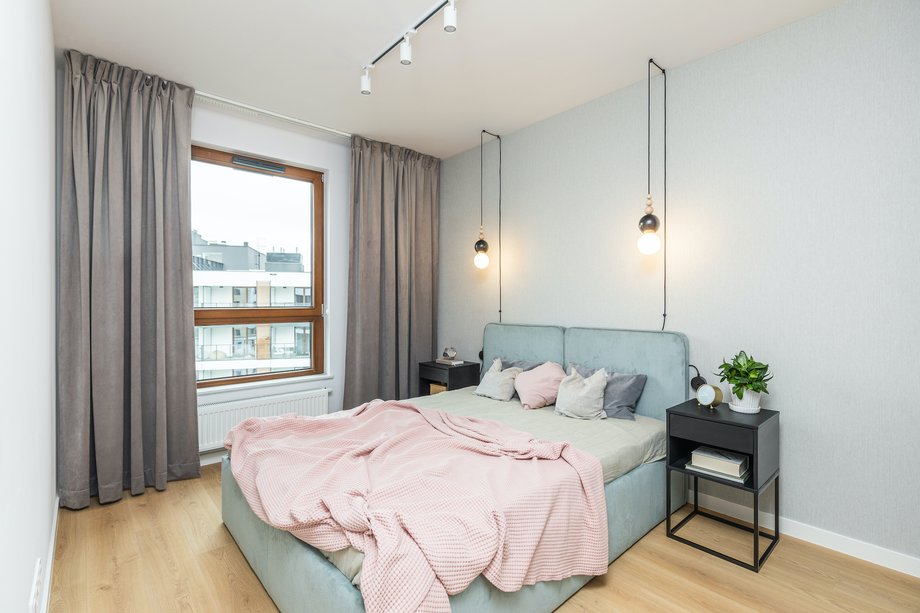
Lett Kłobucka – interior
|
Urban Partners
What are the plans to develop the Noli Studios brand in Poland?
Noli Studios is our co-living platform, combining the comfort of apartments with hotel services. Each unit is a fully equipped studio with a bathroom and a kitchenette, and residents also use rich common infrastructure – work space, gym and relaxation zones. We already have four Nola facilities in Poland – one in Warsaw and three in Gdańsk – with a total of over 1,100 studios. These are new projects that started this year and after the first season it is clear that they are very popular. We plan further locations in Wrocław and Kraków, as well as further development in Warsaw. I can't reveal the details yet, but we are in talks regarding several new investments.
Noli combines the comfort of living with hotel services. What needs of city residents does this model meet?
Our interpretation of co-living is based on three pillars: flexibility, comfort and community. Flexibility means you can stay with us for a day, a month or a year – and change your decision at any time. Komfort is a fully equipped premises – the tenant can choose, among others: for rent, including kitchen equipment and bedding, and service in the “everything included” formula, without the typical problems of private rental. And the community? This is something that makes me particularly happy. Our facilities host workshops, meetings and initiatives organized by residents – from board games to cooking together. This actually counteracts loneliness in big cities. People from over 30 countries live in our co-living facilities, and we offer them apartments tailored to their needs and pet-friendly – approximately 15%. our tenants have a pet. This standard cannot be found in the private market.
What are the current rental prices at Lett and Noli Studios?
Prices for stays in our facilities depend primarily on the location, size of the premises and the selected type and duration of the contract.
At Noli Studios, we offer fully furnished, carefully designed spaces to suit a variety of lifestyles. For example, today at Nola Gdańsk Riverside, monthly prices start from PLN 2,850 for a 12-month contract, including utilities and the Internet as well as the use of rich common areas, such as a sauna with a gym, co-working space, a room for movies and video games.
However, in our Lett facilities, which offer a wider range of types of premises (from studios, through one- and two-room apartments, to four-room apartments), the most compact options start from PLN 3,400 per month.
Finally, if you had to describe the mission of Urban Partners in Poland in one sentence?
We want to build cities where people want to live – flexible, responsible and open. We believe that the urban environment should respond to the real needs of residents, but at the same time it must be created with long-term sustainability in mind. I am concerned about how many buildings, especially office buildings and retail spaces, become obsolete after 10 or 15 years because they do not meet the requirements of tenants and their customers, environmental standards or are too expensive to maintain. This is wasteful and unsustainable. At Urban Partners, we strive to ensure that each of our projects translates into durable, adaptable and sustainable buildings that will serve for decades, responding to both current and future challenges.