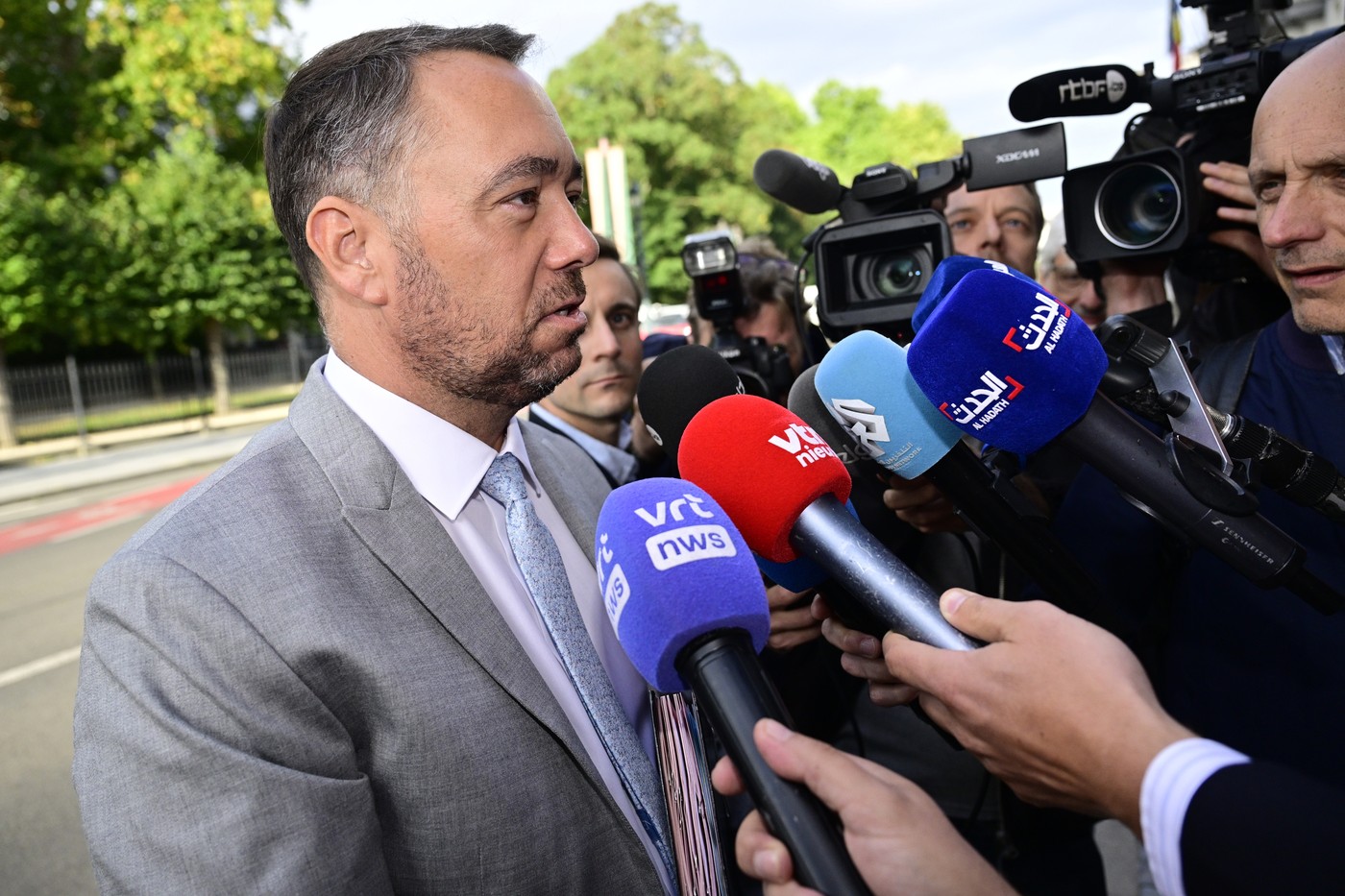
Latvia's president calls for a review of a controversial law on combating violence against women

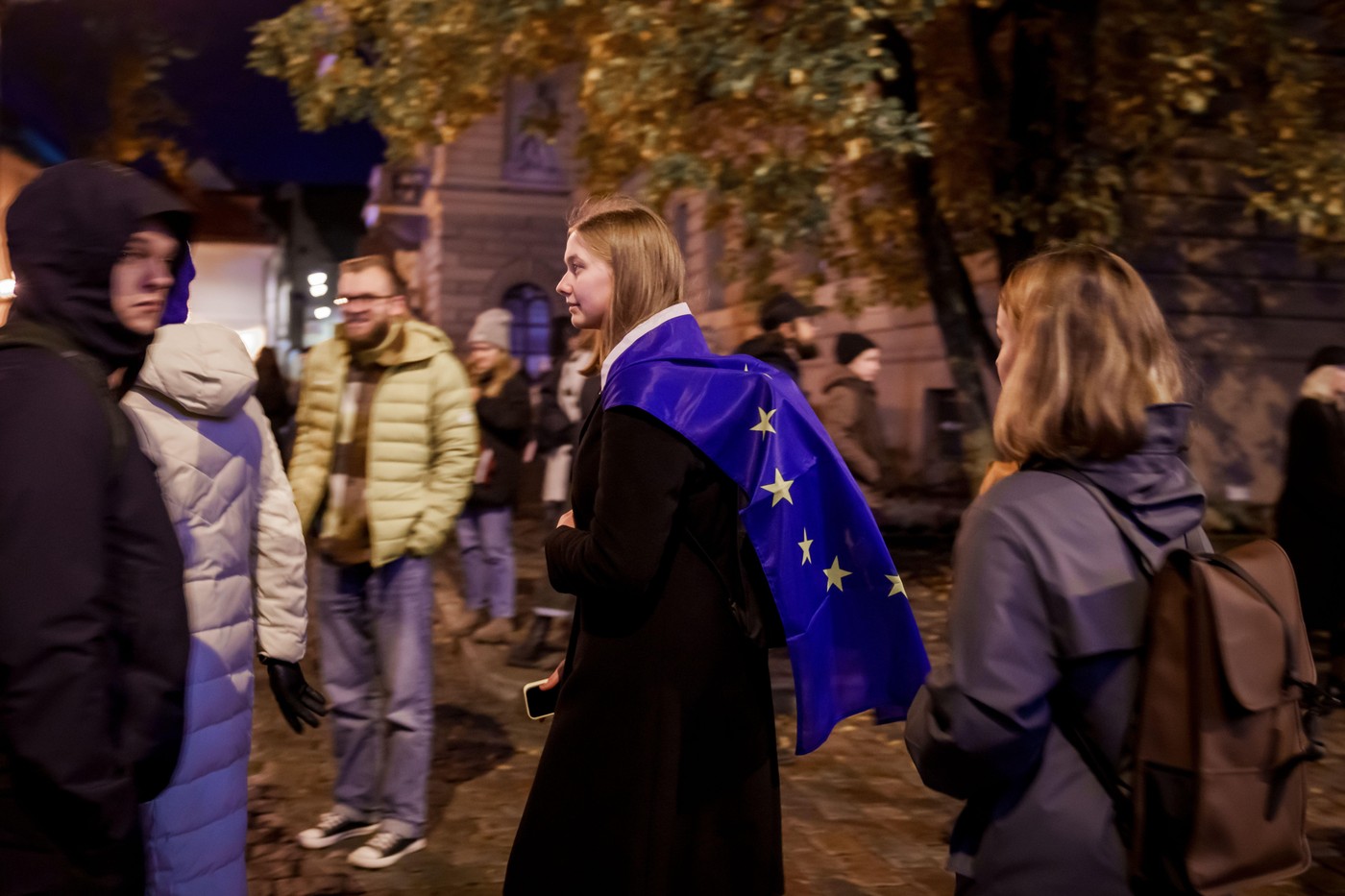
Protest in Riga against Latvia's withdrawal from the Istanbul Convention Photo: Gints Ivuskans / Alamy / Profimedia
President Edgars Rinkevics decided on Monday to send back to the Parliament for re-examination an extremely controversial law regarding the withdrawal of Latvia from the Convention on preventing and combating violence against women and domestic violence, informs AFP, quoted by Agerpres.
The ratification and denunciation of the Convention during the same mandate of the Parliament “sends a contradictory message both to the Latvian society and to the international allies” and would constitute an “unprecedented case in the European legal space”, because Latvia would become “the first member state of the European Union to withdraw from an international treaty on human rights”, according to a press release from the Latvian presidency.
At the end of October, the Parliament of Latvia voted in favor of withdrawing the country from this international convention, after a conservative partner in the ruling coalition joined the initiators of this initiative, despite the opposition of the Prime Minister and the President.
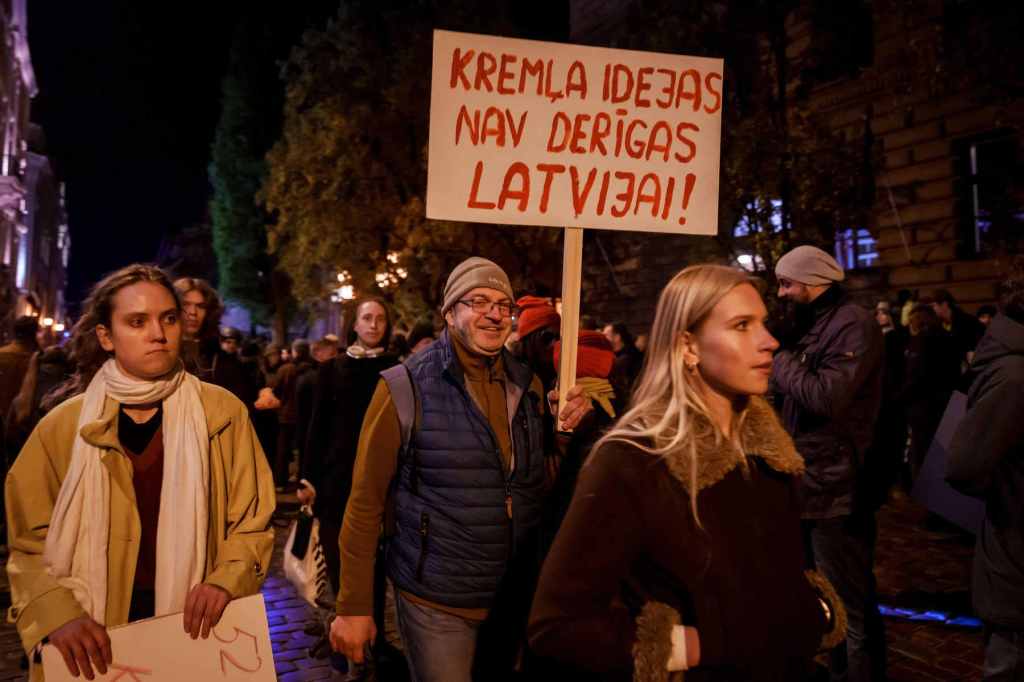 Latvia on the verge of becoming the first EU country to withdraw from the international treaty protecting women from violence, after a parliament vote in Riga
The Istanbul Convention, developed by the Council of Europe and signed by dozens of member states, defines violence against women as a violation of human rights and targets various forms of gender-based violence.
Latvian opponents of the convention argued that it introduces a definition of gender that goes beyond biological sex, considering it as a social construct. They argued that existing national laws are sufficient to combat gender-based violence.
The Union of Greens and Farmers, one of three parties in Prime Minister Evika Silina's ruling coalition, joined the opposition to vote for Latvia's withdrawal from the Istanbul Convention with 56 votes in the 100-seat parliament.
The vote caused widespread protests in Latvia, with major street demonstrations. More than 60,000 Latvians signed an appeal addressed to the president of the country not to promulgate the text on this withdrawal.
Abroad, the Council of Europe estimated that the Latvian Parliament sent a “dangerous message” for women by voting to withdraw from this Convention. “This is an unprecedented and deeply worrying step backwards for women's rights and human rights in Europe”, reacted Friday the president of the Parliamentary Assembly of the Council of Europe, Theodoris Rousopoulos.
The convention was first signed in Istanbul in 2011 and entered into force three years later, with most European Union countries signing and ratifying it. Latvia, which ratified the treaty in 2023, is about to be the second country to withdraw. Turkey was heavily criticized by the European Commission when it withdrew in 2021.
In 2020, Poland's then-right-wing government began a process of withdrawing from the treaty, but has since been replaced by the centrist cabinet of Prime Minister Donald Tusk, who last year canceled those plans. The Parliament of the Czech Republic failed last year to ratify the convention, which it signed in 2021.