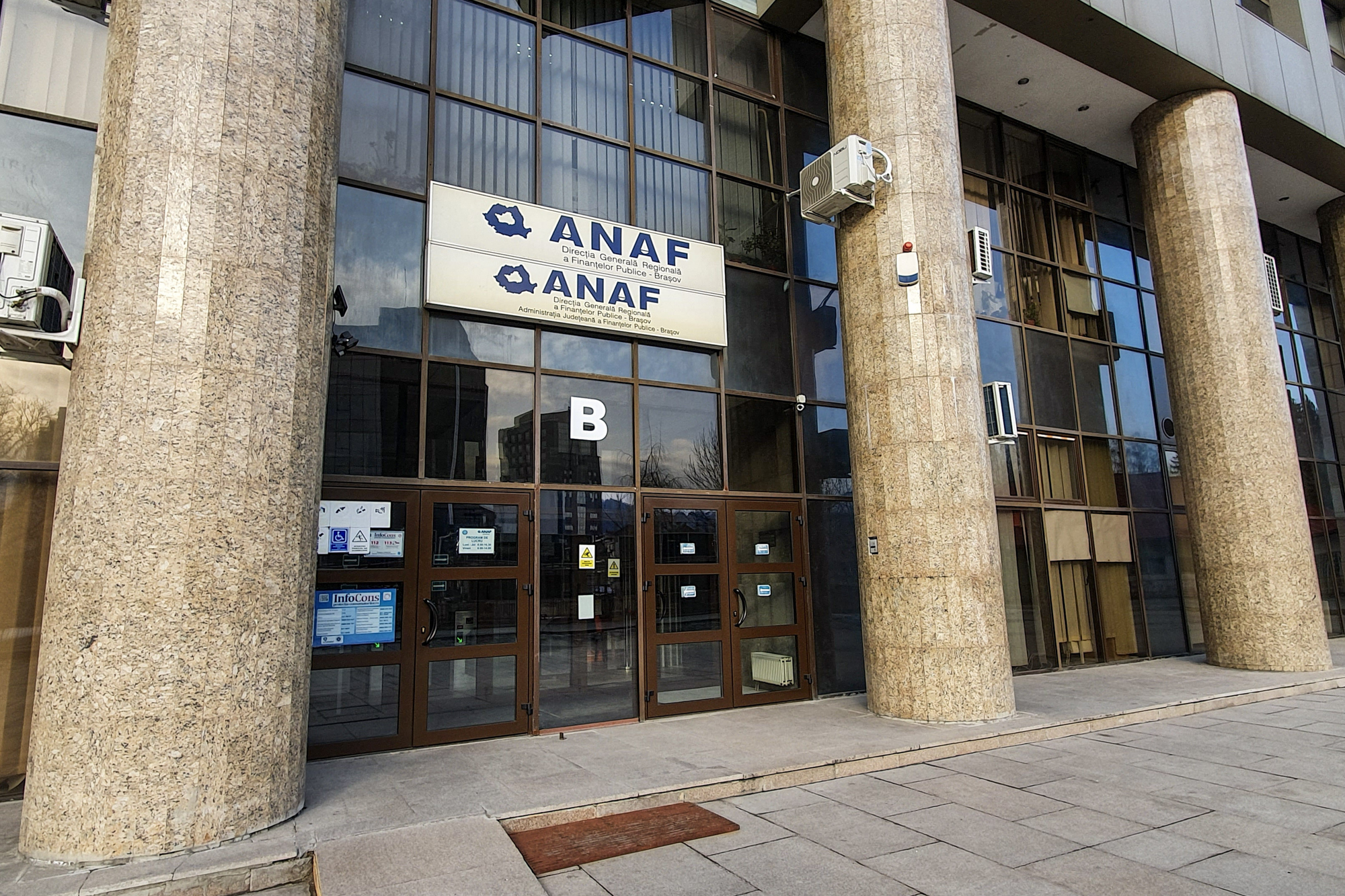
Illustrative photo by Peter Williams | Dreamstime.com
The economic context is as follows: Romania is in a moment of fiscal inflection. After years of increased deficits and accelerated public spending, the government began a complicated but inevitable budget correction. The authorities are forced to stop a spiral of imbalances that threaten the economic stability of the country.
A correction imposed by the markets, not by political choice
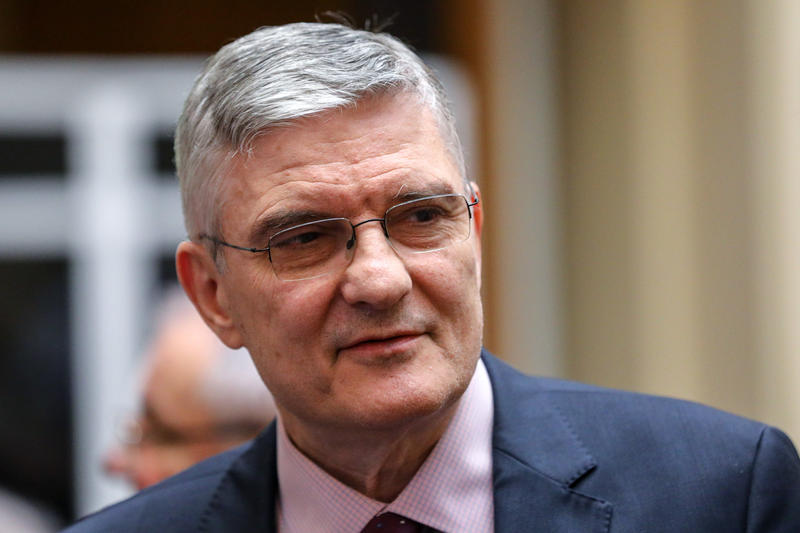
“A budgetary correction has begun”, notes economist Daniel Daianu, president of the Fiscal Council, in a recent analysis, published in the newsletter of the Association of Financial-Banking Analysts in Romania (AAFBR). “It is an arduous process, but without it we cannot restore confidence in public finances.”
After revising the deficit target for 2025 to 8.4% of GDP (from 7% initially), the government is trying to send a signal of credibility to investors and rating agencies, which have kept Romania one step above the “junk” level.
In the medium term, the adjustment program should bring the deficit to 6.5% of GDP in 2026 – a considerable reduction of more than 3 percentage points, says Dăianu, who is also the president of the Fiscal Council. But the scale of this adjustment is unprecedented in the EU for an economy that is not going through an actual financial crisis.
Twin deficits and the risk of stagflation
Romania is facing what economists call the “syndrome of twin deficits”: a budgetary and an external imbalance, both at alarming levels.
The current account deficit has exceeded 8% of GDP, and two-thirds of it is financed by borrowing — a structural vulnerability that also weighs on the exchange rate.
Against this background, the budgetary correction is doubly necessary: to temper domestic demand and to prevent a loss of confidence in the leu.
“Many mistakes have been made in the budget policy in recent years. This is where the specter of a possible stagflation appears, but which does not come from the sky”, warns Dăianu.
Low tax revenues, high needs
With budget revenues of only 28.8% of GDP, Romania remains at the bottom of the European Union, far from the average of 40%.
This structural weakness limits fiscal space for investment, defense, and social programs—and collection reform becomes a matter of national security, as the Fiscal Council points out.
ANAF would require a deep reform, from the complete digitization of inspections to the redistribution of powers between the central and regional levels. In parallel, reducing evasion and expanding the tax base are imperative if Romania wants to stabilize its finances without brutally cutting spending.
Investments and PNRR: a closing window
The budget correction keeps public investments at around 8% of GDP, but their pace will be difficult to sustain after the end of PNRR financing in 2026, the academician believes.
The overcontracting of European projects has put additional pressure on the national budget, and the lack of coherent planning between the Ministry of Finance and the Ministry of Investments shows a chronic weakness in the management of European funds.
An increasingly complicated external context
The international environment exacerbates local vulnerabilities: the European economy is slowing, trade tensions and defense costs are rising, and geopolitical uncertainty amplifies risk aversion.
For a small and open economy like Romania, these developments mean higher financing costs and additional pressures on the exchange rate. Even if membership of the European Union offers a “safety belt”, Dăianu warns, “it cannot save us from our own mistakes”.