Donald Trump evokes the ghosts of the past and announces a return to nuclear tests. How realistic are his plans? “Could trigger a global chain reaction”
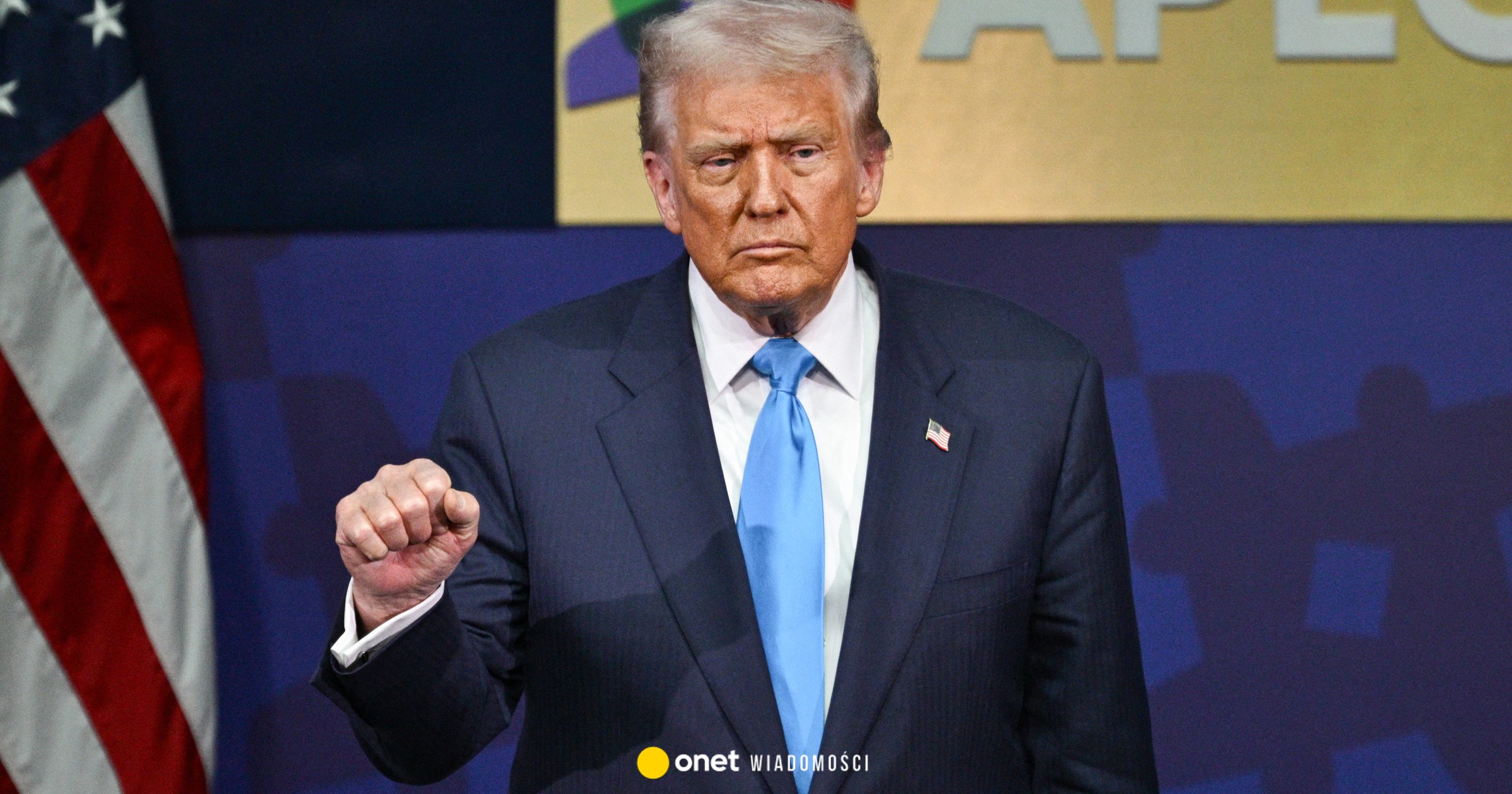
Donald Trump must have been annoyed that Russia publicly boasted about testing its latest Burevestnik cruise missile, capable of carrying nuclear warheads, while he was visiting China as part of his tour of Asia. It is difficult to explain otherwise why Trump, just before meeting with Chinese leader Xi Jinping, literally from a helicopter, announced new nuclear weapons tests on social media, thus setting the tone for the conversations right from the very beginning.
Trump himself justified his statement on the Truth Social platform by saying that Russia and China are expanding their nuclear programs and conducting their own tests, which is why the United States must also start them “on equal terms.” He ordered the Pentagon to immediately begin appropriate preparations.
What purpose new U.S. nuclear weapons tests might serve, where Trump might conduct them, and how other countries might respond are all still open to question. One thing is clear, however: Trump wants to restart testing demonstrate military power and apply pressure on the US's international rivals.
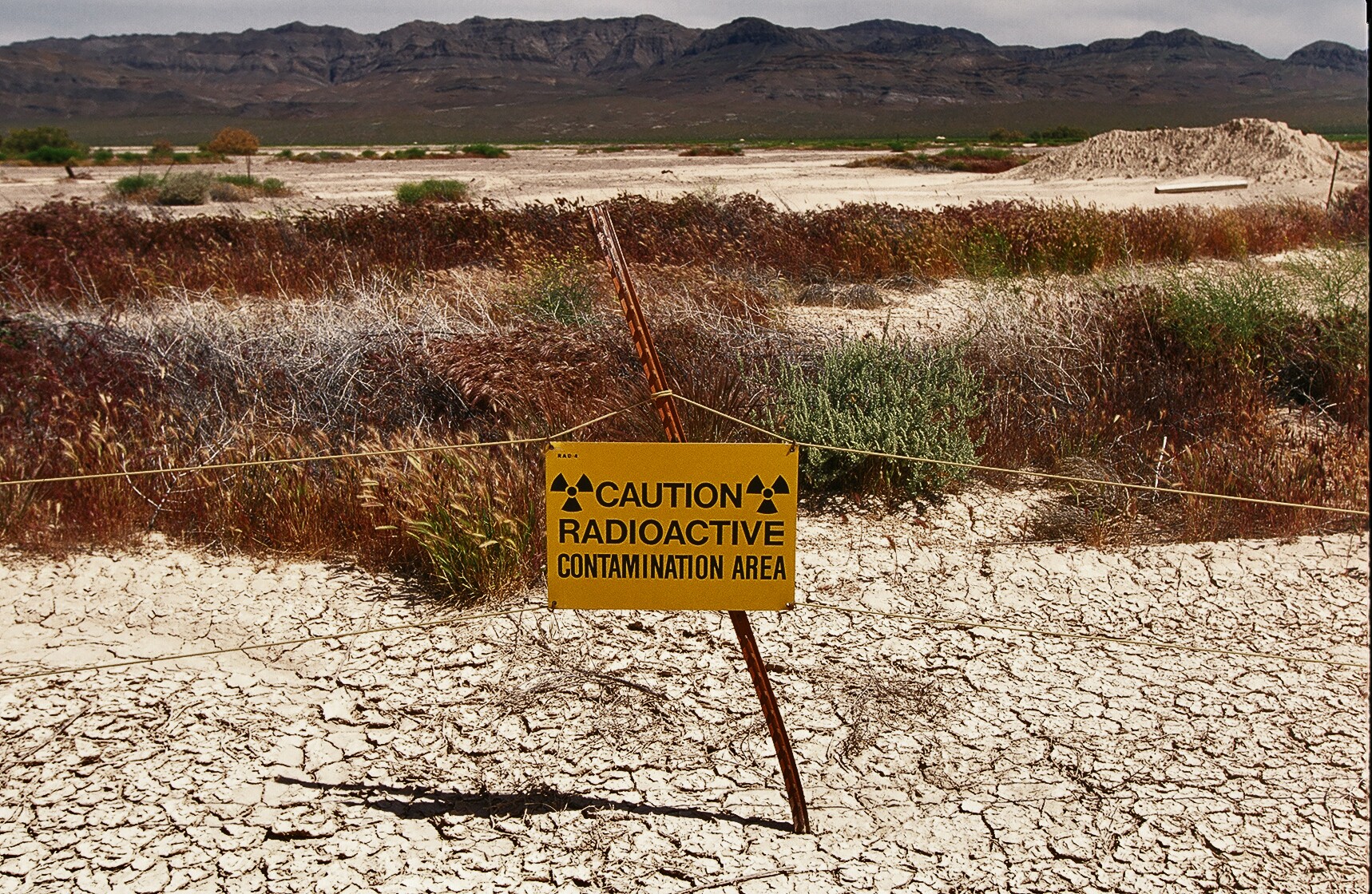
If the U.S. government did indeed resume nuclear weapons testing, virtually the only possible site would be a former test site in the Nevada desert — now the Nevada National Security Site. That's where the United States is conducted most of their underground testing during the Cold War. However, the last U.S. nuclear weapons test was in 1992.
According to expert estimates, re-conducting underground tests would require three years of preparation, even under optimal conditions. First, the test site would have to be reactivated, measuring instruments installed and safety measures taken.
Nevada nuclear test site, May, 1998Ted Soqui / Contributor / Getty Images
Other former test sites, such as Bikini Atoll in the South Pacific, are out of the question for political and ecological reasons. The United States would face significant local resistance there, such as from Australia, New Zealand, and Micronesia, and would expose itself to serious problems in the region. Additionally, ground tests are prohibited under international law. Trump himself he did not provide any details regarding a potential testing site, saying only: “We have testing sites. This will be announced when the time is right.”
Are nuclear weapons tests prohibited by international law?
At least the 1963 “Treaty on the Prohibition of Tests of Nuclear Weapons in the Atmosphere, Outer Space and Under Water” prohibits all nuclear weapons testing in these three environments because it releases significant amounts of radioactive decay products into the atmosphere. So if the United States actually conducts testing, it will have to limit itself to underground testing.
However, the General Nuclear Test Ban Treaty has not yet entered into force. The relevant agreement was initiated and signed by then-US President Bill Clinton, but the US Senate refused to ratify it in 1999. Russia also withdrew its consent in 2023, and other nuclear-weapon states such as China, India and Pakistan never agreed.
What tests has the United States conducted recently?
As part of the ongoing modernization of the United States' nuclear arsenal, the competent authority, the National Nuclear Security Administration (NNSA), has been conducting various so-called subcritical tests since 1997 at the Nevada Test Site. These tests use radioactive materials such as plutonium or highly enriched uranium, but only in relatively small quantities. The critical mass necessary to trigger a chain reaction is not achieved.
The article continues below the video
American scientists want to use these tests to obtain data on the behavior of fissile materials, which they need to maintain and develop their nuclear arsenal. In turn, the U.S. government seeks to maintain the credibility of its nuclear deterrent through these tests without actually conducting weapons tests.
Are tests even necessary anymore?
Recently, supercomputer makers Nvidia and HPE announced a new contract with the NNSA to build two new supercomputers called “Mission” and “Vision” for the agency's Los Alamos labs. One of them, “Mission,” is intended to “enable scientists to assess U.S. nuclear security without conducting nuclear tests, thereby strengthening the country's ability to maintain a safe and reliable nuclear arsenal.”
The new supercomputers have enough power to calculate the predicted behavior and destructive power of new nuclear weapons. There is enough baseline data available from tests conducted during the Cold War. Nevertheless, scientists warn that simulations alone may not be sufficient in the long run. Additionally, conservative American think tanks such as the Heritage Foundation argue that in the event of a major crisis or war, the option of conducting a real test could be helpful in deterring an adversary.
However, new tests conducted by the United States could have consequences on a global scale. — One nuclear test by the United States could trigger a global chain reaction warns the Union of Concerned Scientists, a nonprofit group that lobbies against the tests. Other nuclear powers could take similar actions, and countries without nuclear weapons could seek to develop and test them.
Who performed the tests last?
Since the end of the Cold War, most nuclear powers have stopped testing nuclear weapons. None of the big three nuclear powers — the United States, Russia and China — have conducted tests since the 1990s, as did India and Pakistan after their last tests in 1998. The only exception in the last two decades is North Korea. The Pyongyang regime has conducted a total of six underground nuclear tests since 2006, the last one in 2017.
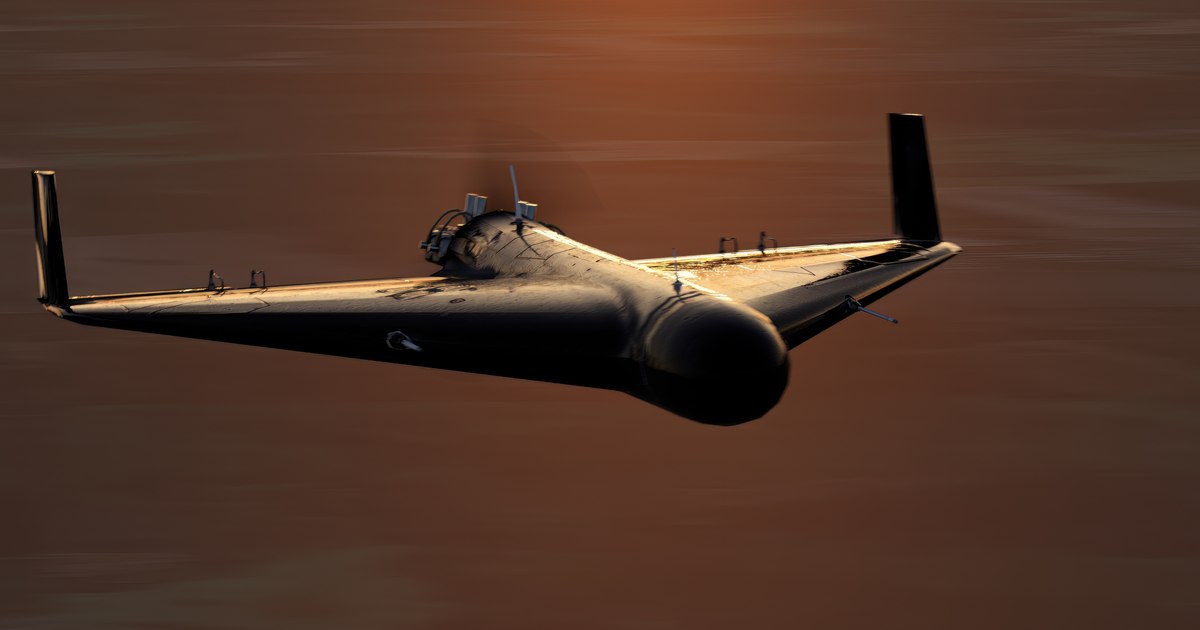
These tests were met with strong international reaction and led to the imposition of sanctions. Russia has not officially tested nuclear weapons since 1990, but the Russian armed forces they are currently testing nuclear-powered missiles and torpedoes. President Vladimir Putin boasted to Trump of testing the Burevestnik cruise missile and the Poseidon torpedo, which use mini-reactors and an open-reactor ramjet engine, respectively, as propulsion. The tests took place without nuclear warheads. Putin recently stressed that he would still not conduct tests “as long as no one else does.”
I’m Ashley Davis as an editor, I’m committed to upholding the highest standards of integrity and accuracy in every piece we publish. My work is driven by curiosity, a passion for truth, and a belief that journalism plays a crucial role in shaping public discourse. I strive to tell stories that not only inform but also inspire action and conversation.