Romania contributes 50 million euros to the defense of Ukraine, through the American PURL mechanism

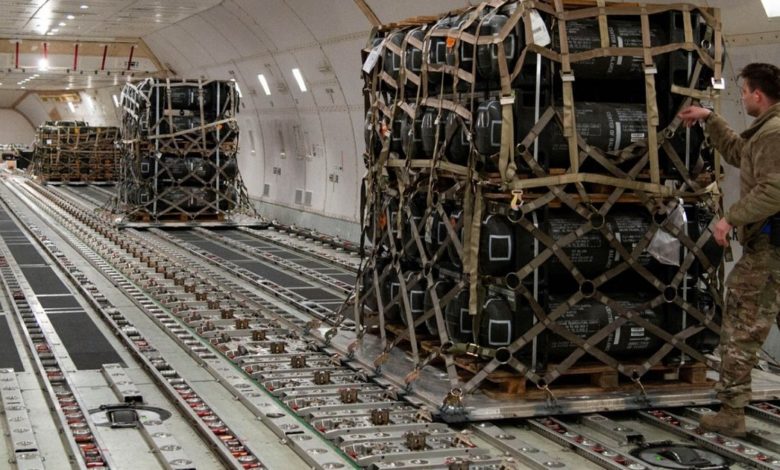
Romania contributes 50 million euros to the PURL mechanism, an amount allocated for the direct support of Ukraine's defense efforts through a Government decision.
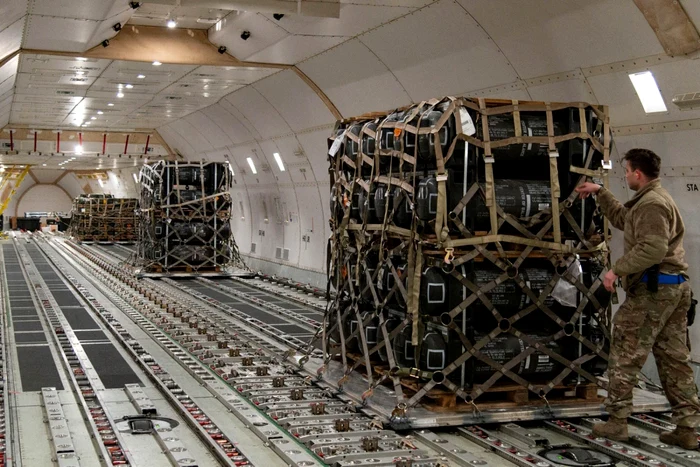
Romania contributes 50 million euros to the defense of Ukraine. PHOTO: archive
The Government of Romania adopted a decision by which our country joins the states that support the initiative of the United States of America regarding the “List of priority purchases necessary for the defense of Ukraine” (PURL), with a financial contribution of 50 million euros. The allocation is made within the limits of the budget ceiling established for the year 2025 and places Romania alongside most of its European allies and other partner states that share the same strategic vision.
The PURL mechanism is an important foreign policy and security tool of the United States Administration, being part of the approach promoted by President Donald Trump on the equitable sharing of security responsibilities among allies. Through this initiative, the American side seeks a direct and quantifiable involvement of the partner states in supporting Ukraine, but also the creation of a coordinated action framework, based on efficiency, predictability and strategic responsibility.
Romania's contribution to PURL is intended to support the strengthening of Ukraine's defense capabilities, the program allowing joint allocations through the NATO budget and is part of the continuation of the allied initiatives launched after the Helsinki Summit, a priority reiterated including on the occasion of the recent visit to Romania by NATO Secretary General Mark Rutte.
According to an official statement from the Government, Romania's participation in the PURL mechanism is fully compatible with the commitments assumed within NATO and with the Strategic Partnership with the United States, contributing directly to strengthening regional security.
The authorities emphasize that this involvement creates premises for significant benefits in terms of national security, including by increasing institutional interoperability, deepening military and civilian cooperation with allies and strengthening the ability to react to hybrid and conventional threats.
The decision comes in the context of the commitments made at the NATO Summit in The Hague, where, at the proposal of the US president, the allies agreed on a gradual increase, over the next decade, of defense allocations up to the level of 5% of GDP. This threshold includes direct military spending, related spending, defense investment and the development of dual-use infrastructure, including that for military mobility.