The Turkish textile sector, once one of the pillars of the national economy, is going through the worst crisis in recent decades. Exports are falling for the third consecutive year, and Turkey's share of the world market has fallen below 3% — the lowest level in the last 30 years, reports The Economist.
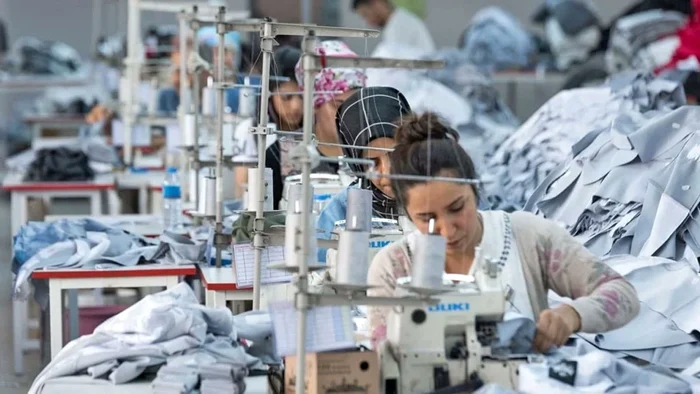
6,000 companies closed their doors/PHOTO:X
While producers in Bangladesh and Vietnam report double-digit growth in the first half of 2025, Turkish exports are down nearly 7 percent.
Thousands of factories closed and hundreds of thousands of workers laid off
In just three years, exports fell from $22 billion in 2022 to an estimated $17 billion in 2025. Some 6,000 companies closed their doors and more than 310,000 workers lost their jobs. In an attempt to cut costs, hundreds of firms have moved production to Egypt, where wages and energy are significantly cheaper.
Economists believe that the decline reflects the structural problems of the Turkish economy: persistent inflation, an overvalued currency and high interest rates on loans.
“High borrowing rates and an overvalued pound have led to inflation which, while falling from levels close to 100% three years ago, remains high — around 33%. At the same time, labor and production costs have risen sharply, undermining the industry's competitiveness.”the publication writes.
The old model no longer works
Since the beginning of 2022, the minimum wage in Turkey has increased from 383 to 620 dollars, a major burden on exporters.
“European customers were willing to pay 15-20% more for quality, but now the price difference has reached 50%, and this argument no longer convinces anyone”explained Mustafa Gültepe, the president of the Turkish Exporters' Assembly.
The result is an accelerated migration of foreign orders to Asia. China's textile exports to the European Union rose 20% in the first half of the year amid reconfiguration of global trade flows following the introduction of new US tariffs.
The workforce: a new crisis within the crisis
Over the past decade, a significant part of the Turkish textile industry has relied on migrant labor—especially Syrian refugees, estimated at 250,000–400,000 people. After the fall of the Assad regime in late 2024, nearly 20 percent of these workers returned to Syria, exacerbating the shortage of skilled personnel.
“Even if Turkey manages to stabilize the economy, the textile sector will not recover easily. Labor is becoming more expensive and harder to find. Young people prefer office jobs, not factory work”warns Muzaffer Cevizli, president of the Giyimkent wholesale trade center.
The solution: less mass production, more innovation
Specialists believe that the future of the Turkish industry can no longer be based on high volumes and low costs, but on branding, design, niche products and fast deliveries. Some large companies, such as Eroğlu and LC Waikiki, have already started to transfer part of their production to Egypt, and other firms are expected to follow in their footsteps.
“The sector has the necessary resources to be reborn, but first of all it needs to reinvent itself“, concludes The Economist.