Many people think that gardening ends with the first frost. In fact, October is the ideal time to lay the groundwork for the earliest spring blooms. Some flowers not only survive winter in the soil, they need cold in order to germinate in the spring. It is enough to sow the seeds once a year, cover them lightly with soil and leave them under the snow.
Preparation is simple: loosen the soil, remove weeds, and lightly fertilize with compost. Distribute the seeds evenly over the grooves, sprinkle with soil and compact lightly. They will quietly spend the winter under the snow, and with the first warmth they will rise together.

Forget-me-nots – one of the first spring flowers. Their seeds need stratification, and winter does the job for you. Already in April you will see pale blue rugs along the paths and under the bushes.
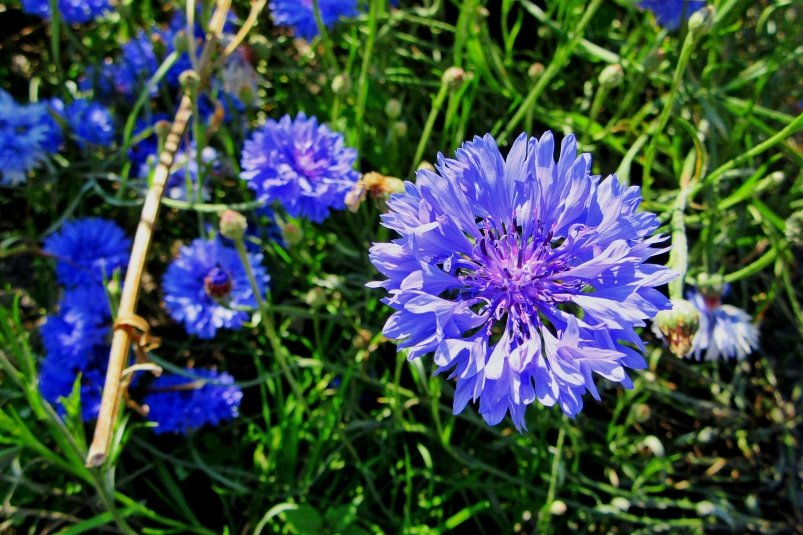
Cornflowers They easily tolerate frosts and are not afraid of temperature changes. They will bloom in May and will delight you until late summer. Sow and plant them directly in the flower garden; they reproduce well by self-sowing.
Buttercups when sown in winter, they produce more powerful bushes and abundant flowering. Select frost-resistant varieties and sow in a sunny location. They bloom from June, but emerge as early as April.
Alyssum is a low-growing, fragrant flower that is ideal for borders and between flagstones. When sown in autumn, it blooms 2–3 weeks earlier than in spring and forms a dense carpet.
By planting these flowers in the fall, you will not only save time in the spring, but also get early blooms while others still have bare ground.
Question and answer:
What flowers can be sown before winter?
Forget-me-nots, cornflowers, buttercups, poppies, alyssum, bluebells, eschscholzia and herbaceous carnations are suitable. The main thing is to choose frost-resistant varieties.
Why is winter sowing better than spring sowing?
Seeds undergo natural stratification, germinate more quickly, and plants are more resistant to disease and drought.