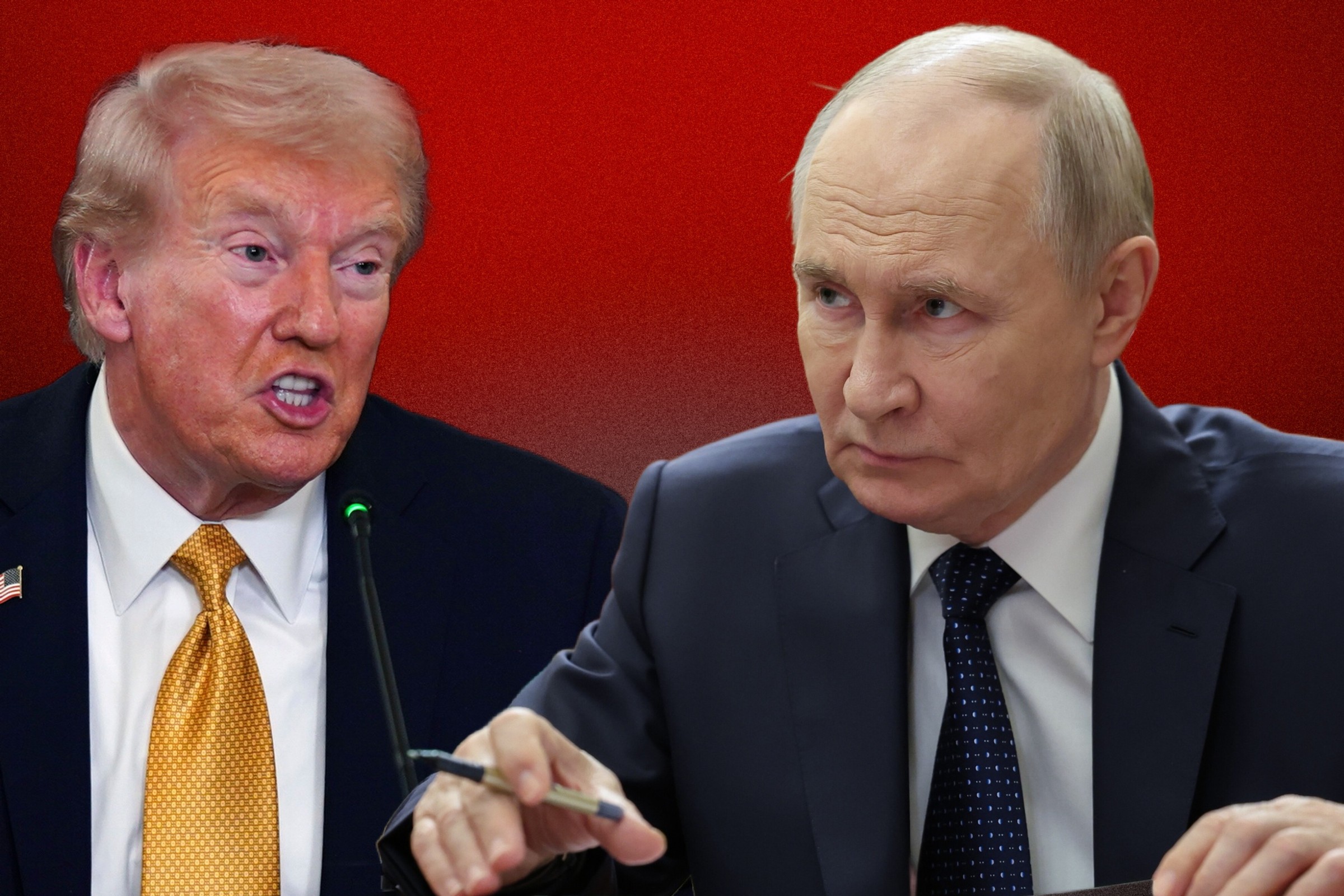
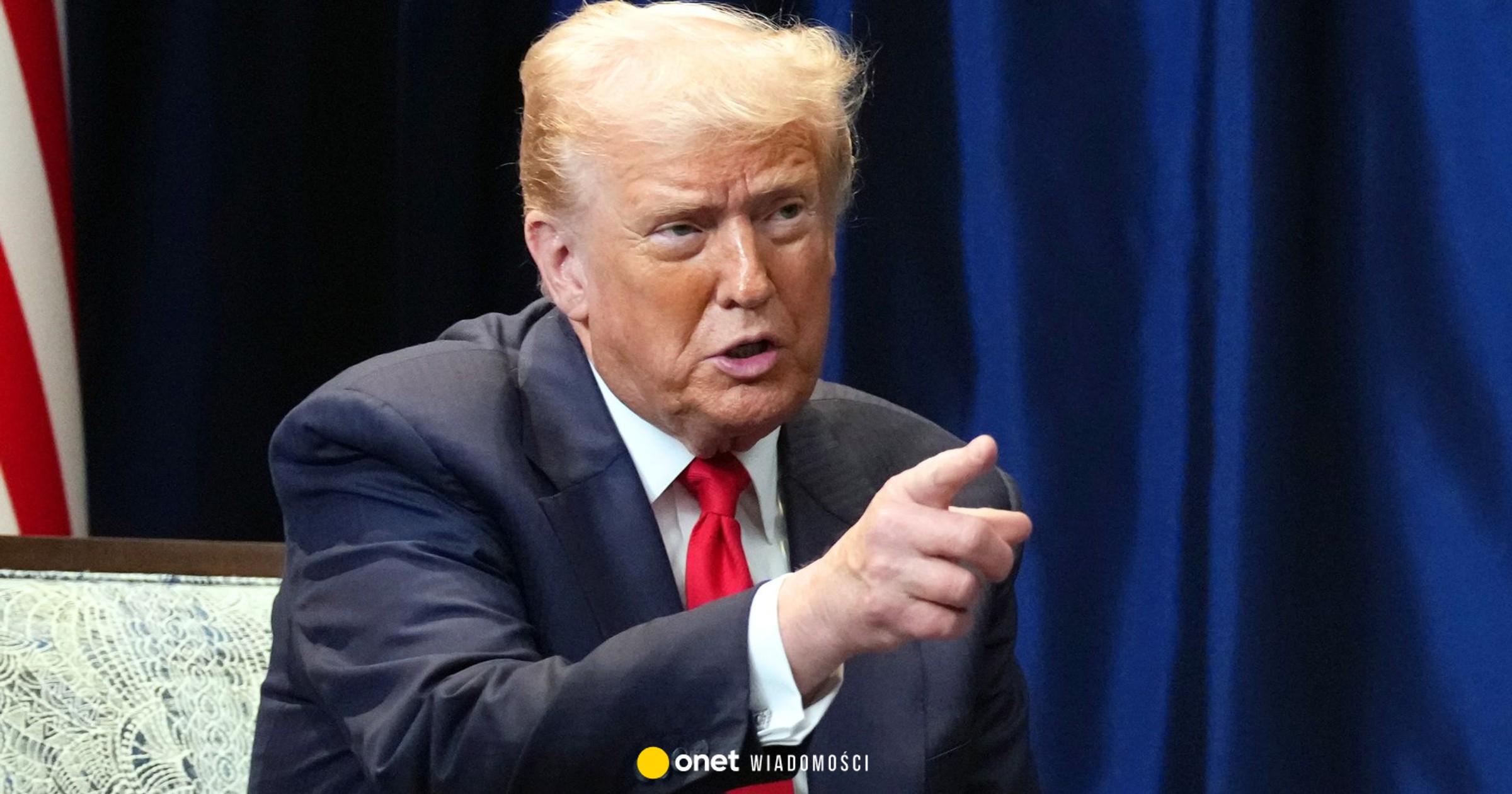
On Thursday, October 23, US President Donald Trump delivered a terse, provocative response to his Russian counterpart Vladimir Putin, who downplayed the impact of new, sweeping US sanctions targeting the Russian energy sector.
“I'm glad he thinks so.” I'll let you know in six months. We'll see how this all plays out, Trump told reporters at the White House.
The comment, which appeared to undermine Putin's self-confidence, came hours after he described the sanctions as an “unfriendly” act that, however, “will not significantly impact our economic prosperity.”
Between the words of Trump and Putin, a silent game of political chess takes place, in which every move is well-thought-out the result may determine the direction of the entire Western policy towards the Kremlin.
The exchange underscores how high the stakes are: a sharp increase in economic pressure from the Trump administration — including the cancellation of a planned summit — on Moscow as it continues its full-scale invasion of Ukraine.
While the short-term impact of the sanctions on Russia's finances may be limited, they send a strong signal that the White House intends to force the Kremlin to reach a peace agreement. Trump has repeatedly expressed frustration that this could not be achieved through “nice talks” with Putin.
Republicans support a tougher course towards Moscow
Trump's challenging tone was quickly taken up by the Republican top, who saw the sanctions as a necessary escalation. Senator Lindsey Graham expressed support for Trump on social media, at the same time calling for additional punitive measures towards Russian customers.
Putin claims to be immune to US sanctions. As President Trump so aptly said today, time will tell
— wrote on the X platform.
Graham then proposed expanding the economic war. “I would suggest that Putin's clients are not immune to tariffs as a punishment for buying cheap Russian oil and propping up Putin's war machine. We'll see if his clients have the same cavalier attitude,” he concluded.
Meanwhile, the Republican leadership of the Senate and the House Armed Services Committee issued a joint statement praising the new sanctions while advocating even greater military and economic support for Ukraine.
Senate Armed Services Committee Chairman Roger Wicker and House Armed Services Committee Chairman Mike Rogers unequivocally they opted for further pressure. They said “Putin's delaying tactics and empty promises make it clear that he is still unwilling to end the bloodshed.”
The article continues below the video
Both presidents praised Trump and his Treasury Secretary Scott Bessent for the new sanctions, but immediately called for intensifying pressure on Russia.
They suggested three key actions: :
blocking any import of Russian energy,
using frozen Russian assets in the United States and Europe to provide security assistance to Ukraine,
using European funds to deliver Tomahawk and Taurus long-range missiles to Ukraine.
They also supported the concept of maintaining Ukraine's offensive capabilities, stating that “providing Ukraine with additional long-range systems and allowing their use against key military targets in Russia would strengthen Ukraine's position at the negotiating table; it would also contribute to the implementation of President Trump's vision for lasting peace“.
This all happened after Putin warned that Moscow's response to strikes deep inside Russia would be “very serious, if not overwhelming.”
Democrats accuse lack of consistency
Despite the renewed focus on Russia, a group of Democratic senators are sharp criticized the Trump administrationaccusing it of undermining its own sanctions regime by not taking action against key sanctions defaulters — particularly China.
Senators Elizabeth Warren, Tim Kaine, Chris Van Hollen and Angela Alsobrooks wrote to Secretary of State Marco Rubio and Treasury Secretary Bessent, arguing that the administration's inaction has turned a potential credibility test into a “a gross failure to enforce sanctions“.
Democratic senators pointed to continued deliveries of sanctioned liquefied natural gas (LNG) from Russia's Arctic LNG 2 project to China.
What began as a test of America's credibility has become an abject failure to enforce sanctions, emboldening Russia and China while undermining our own national security
– they wrote in the letter.
In particular, they criticized the lack of response to their previous inquiries, noting that the Treasury Department had resumed targeted sanctions against Russian oil companies only after an “unprecedented nine-month break”.
“Every shipment of sanctioned Russian gas that reaches China without any consequences sends a clear signal to all potential sanctions evaders around the world. It means that the United States has no power,” the senators concluded.
I’m Ashley Davis as an editor, I’m committed to upholding the highest standards of integrity and accuracy in every piece we publish. My work is driven by curiosity, a passion for truth, and a belief that journalism plays a crucial role in shaping public discourse. I strive to tell stories that not only inform but also inspire action and conversation.