“Breakthrough at the front” and “weakening Russia”? Ukrainian general about what is really happening

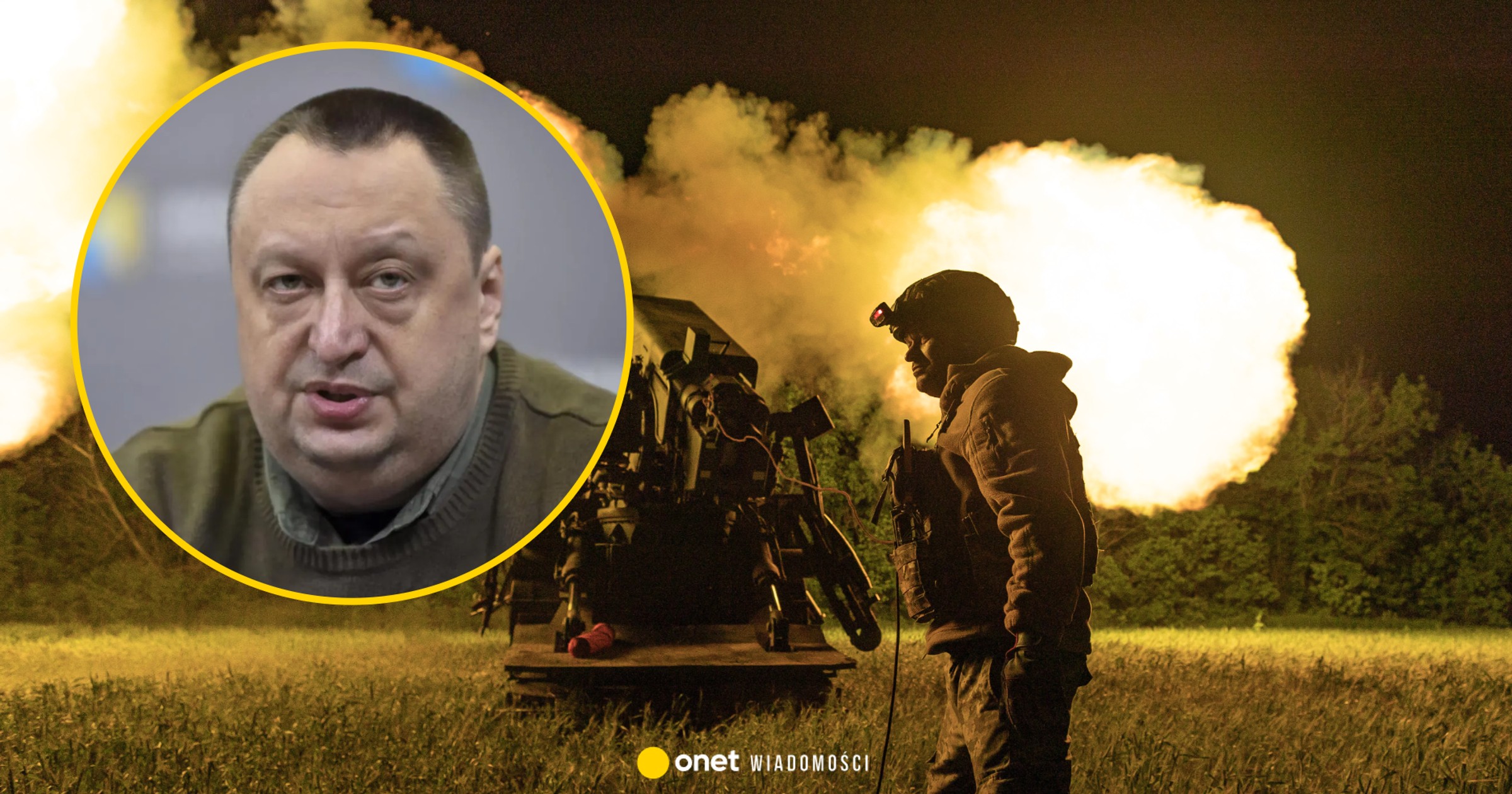
The last few days have brought many loud headlines: Ukraine has allegedly “gained the upper hand”, the Russian offensive is supposedly “losing momentum”, and drones were supposed to completely change the logic of war.
Some of these assessments have their justification. However, from a strategic perspective, it is extremely important not to fall into either euphoria or a false sense of security.
The actual picture is much more complex.
This fundamentally changes the nature of the war. If previously Russia could relatively safely accumulate resources in the rear, transfer reserves and supply the front via extensive logistics routes, today this strategic depth is becoming less and less secure.
Nur Photo/East News / East News/X
Ukrainian soldier/effects of a drone attack in Russia
The attacks on Russian refineries are not just a symbolic response. They pose real pressure on the country's fuel balance, renovation capabilities, logistics, budget and Russia's ability to wage high-intensity war.
That is why Russia is forced to simultaneously protect the front, Crimea, border regions, Moscow, facilities of the fuel and energy sector and its own arms industry. No air defense system has unlimited resources.
Another signal that the situation is changing is Ukraine's growing control over the enemy's operational base. If Ukrainian drones regularly hit targets located tens or even hundreds of kilometers from the front line, this means that the enemy must move warehouses, equipment, headquarters and command centers further from the combat zone. This, in turn, lengthens logistic chains, slows down the pace of the offensive and increases the cost of each Russian offensive operation.
This does not mean, however, that Russia has lost its ability to wage war.
It's not a breakthrough yet
The Russian Federation still has significant human resources, large stocks of ammunition, missile potential, aviation, guided bombs, kamikaze drones and a repressive mobilization system.
Therefore, the correct conclusion is not that Ukraine has already won the war. The correct conclusion is that Russia is gradually losing its monopoly on setting the pace of hostilities.
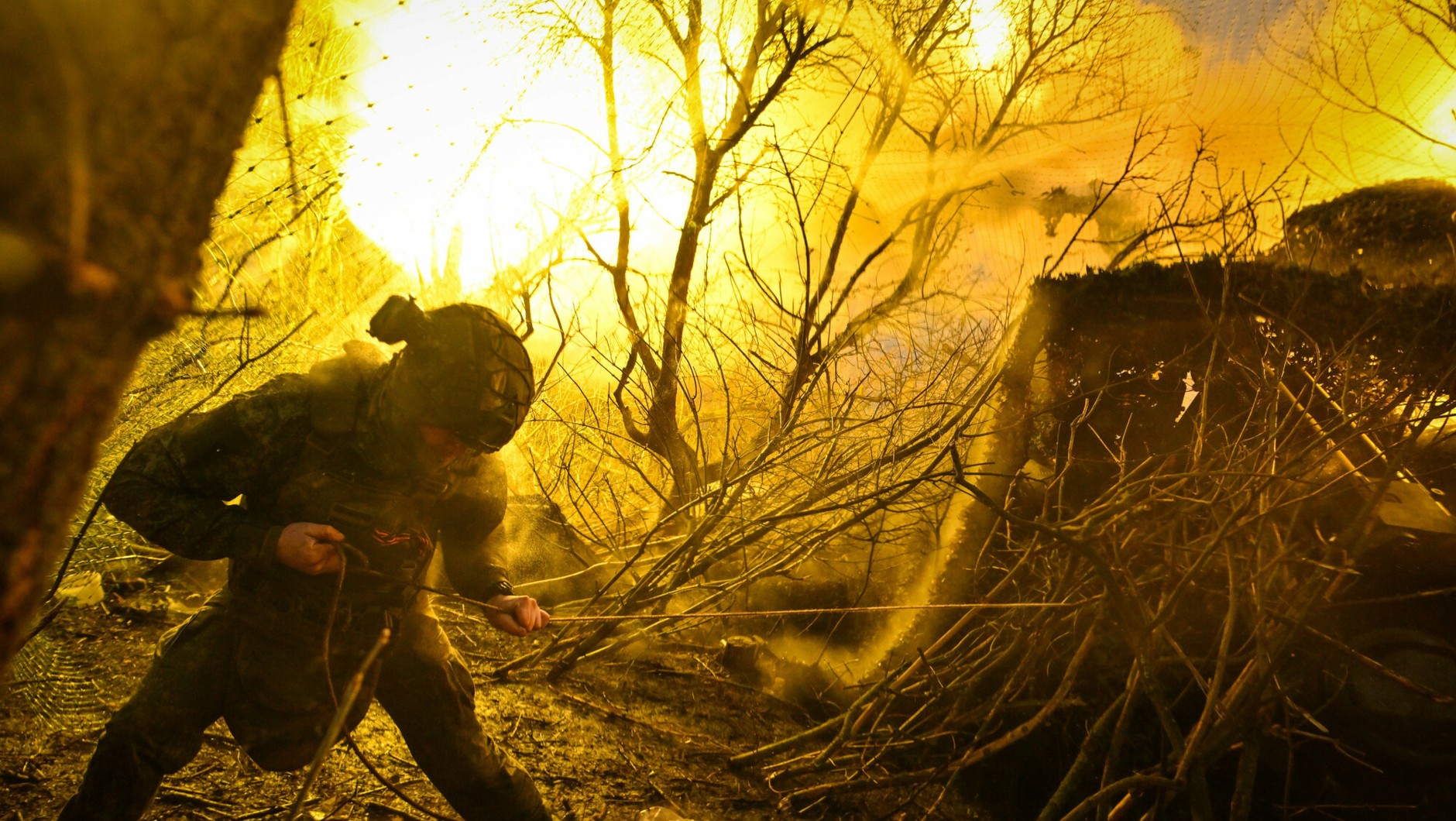
STANISLAV KRASILNIKOV / East News
A Russian soldier on the front in the Donetsk region of Ukraine, March 25, 2026.
Ukraine is increasingly forcing Moscow to react, disperse resources, transfer air defense systems, strengthen rear defense, fix logistical problems and explain to its own society why the war is increasingly reaching Russia's territory.
In parallel, Ukraine receives additional air defense means, including IRIS-T systems supplied by Germany. However, this is still not enough. Massive Russian attacks on Kiev, Dnieper and other cities show that the demand for Patriot systems, anti-missile defense means, missiles for anti-aircraft systems and multi-layer air defense remains critically high.
There was also an important international signal. France's detention of the Russian tanker Tagor in the Atlantic shows that the fight against the Russian “shadow fleet” is gradually moving from declarations to concrete actions. If such an approach becomes systemic, it may hit one of the key sources of financing the war – Russian exports of energy resources conducted without sanctions.
The strategic picture of the situation is as follows
Ukraine is gradually building a new model of warfare – technological, asymmetric and deep, aimed not only at Russian units fighting on the front, but also at the entire system supporting Russia's ability to conduct military operations.
The greatest threat to Ukraine is overestimating its own advantage.
The greatest threat to Russia, however, is underestimating the pace at which Ukraine can adapt to changing conditions.
The coming months will be crucial, not because the war must end soon. They will be decisive because it is now being decided whether Ukraine will be able to turn its technological initiative into a lasting strategic advantage.
To achieve this goal, three things are needed:
- increasing the scale of production of the Ukrainian defense industry,
- stable support from partners
- and the state's internal resilience.
In a war of attrition, the winner is not the one who announces his victory the loudest. The winner is the one who learns faster, produces more efficiently, hits more precisely and retains the will to resist longer.