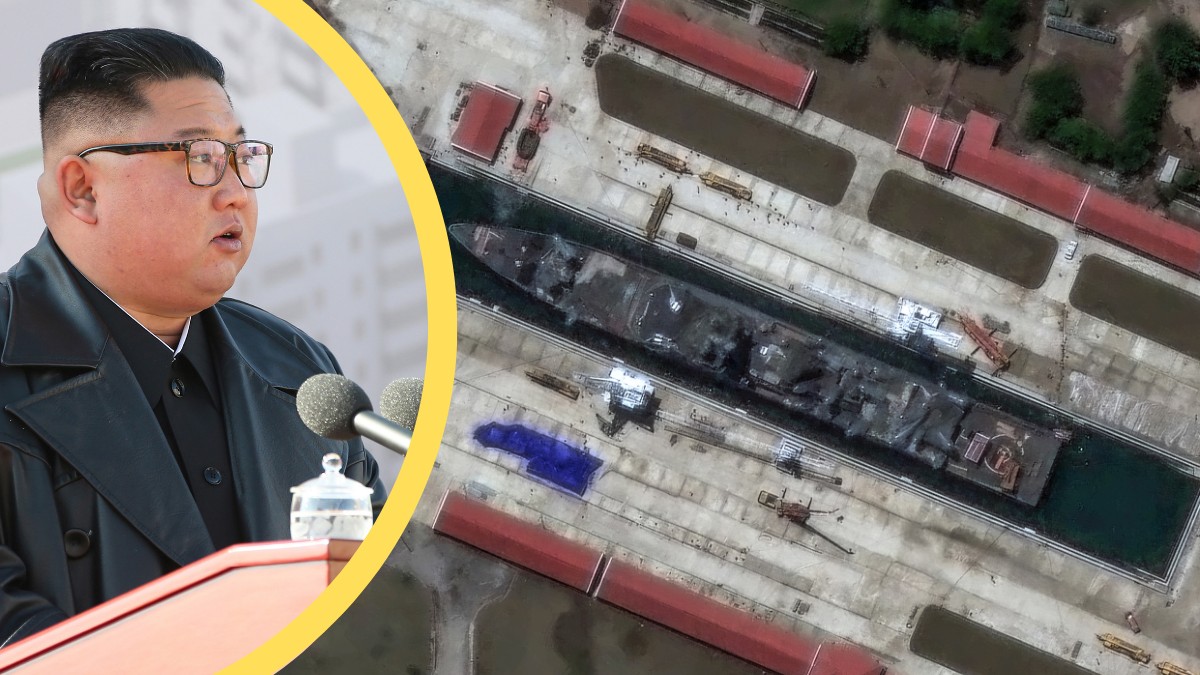
North Korean leader Kim Jong Un took part in the ceremonial inspection of the Choe Hyon destroyer at the annual military equipment exhibition in Pyongyang in early October. According to the Daily NK source, officers and sailors serving on North Korean ships were treated to a hearty meal by the Central Committee consisting of fried pork and strongly spiced fried chicken. This was intended to raise morale in the navy ranks. However, it ended differently than the authorities expected.
See also: They received a “special message” from Kim Jong Un. The dictator issued six recommendations
North Korea. Doctors diagnosed the sailors as malnourished
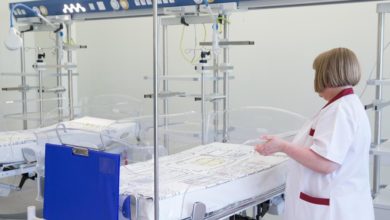
According to the source, the sailors, who probably rarely had the opportunity to eat a sumptuous meal, ate large amounts of fried meat and then began to complain of feeling bloated and having stomach pain. Some even talked about fever. Some of the sailors were taken to hospital due to severe diarrhea. Medics created an emergency crisis response team that regularly reported to the government about the condition of the patients.
The diagnosis turned out to be shocking. Although doctors initially suspected food poisoning, they eventually came to the conclusion that the whole situation was the result of long-term malnutrition of the soldiers of Kim Jong Un's army and the fact that the sailors almost rushed to eat the served meal. “Excited by the extremely lavish banquet, they ate way too much, which caused intestinal problems. In short, their stomachs had trouble coping with fatty food that is not part of their typical diet,” a source explained to Daily NK.
See also: North Korea strengthens its navy. He wants to “punish the enemy”
As reported by Daily NK, destroyer crew members are typically fed cooked barley, doenjang (soybean paste) soup and salted fish, resulting in their fat intake falling well below recommended levels. After the diarrhea incident, Navy leadership ordered that Marines' food be checked for nutritional value and that they be given electrolyte supplements.
“In addition, each naval squadron was ordered to gradually increase the proportion of fatty foods in sailors' meals and to instruct sailors on the need to eat small portions of fatty foods and avoid overeating during large meals,” Daily NK reported.