In the country with “Europe's last authentic nature”, organic agriculture is sub-par. 90% of organic products in large stores come from imports


Romania cultivates only 5.8% of its agricultural area organically, well below the EU average of 10.8%. The government assumed for the year 2030 the achievement of a target of only 6%.
- The organization of organic producers in Romania accuses the authorities of blocking the development of this sector through excessive bureaucracy and the lack of a coherent strategy.
- Spain and Italy, while doing better in terms of ecologically cultivated area, also struggle to balance the traditional with modern methods and technology.
- Article made within the European project PULSE by Florentina Cernat – HotNews (Romania), Ana Somavilla – El Confidencial (Spain) and Davide Mededdu – Il Sole 24 Ore (Italy).
In 2024, Romania registered an ecologically certified area of 781,398 hectares, which represents approximately 5.8% of the agricultural area used nationally, according to data provided by the Ministry of Agriculture to HotNews.
“Our country has a considerable potential in all regions for the development of organic agriculture. The constant growth of the areas under conversion and certification, as well as the number of operators, confirms the growing interest in this sector”, say the representatives of the ministry.
But Romania does not have big targets for rapid growth. Our country has proposed that by 2030 at least 6% of the used agricultural area will be occupied by ecological crops, an objective established by the National Action Plan for the Development of Ecological Production (PNADPE).
In the opinion of the organizations of organic producers, the Romanian state does not sufficiently encourage the development of this sector and even puts sticks in its wheels.
“Huge potential”
“Romania has enormous potential for organic agriculture, but it has been stagnant for 10 years”, claims Marian Cioceanu, president of the Bio Romania Association, in a dialogue with HotNews.
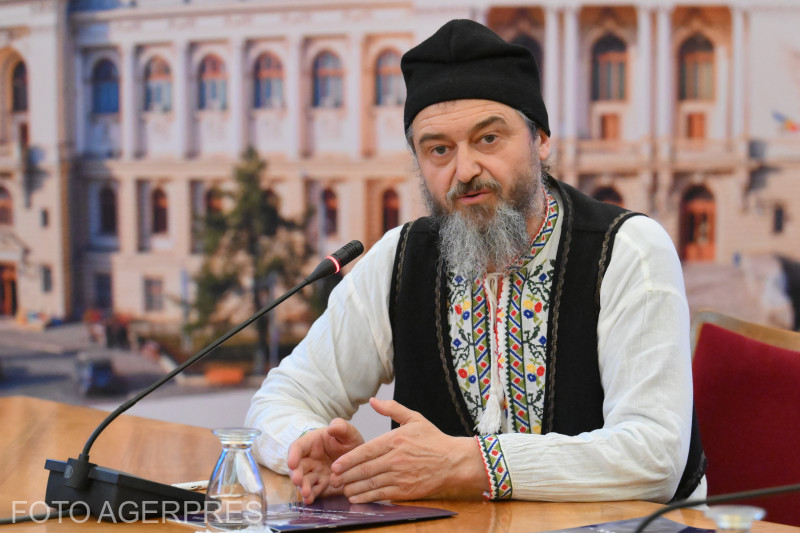
“When we entered the EU, we set out to lay the foundations of this sector. The first subsidies were received in 2010, but in 2015 they were blocked by APIA. Simply, in the procedure at APIA there was no possibility to tick that you have organic pasture. They left the subsidies for a year, two, then they were removed.”
Currently, only raw materials, such as cereals, berries and honey, are organically grown in Romania, which are almost entirely exported.
“Even without subsidies, for the land you have to be ecologically certified, it is an excessive bureaucracy that discourages farmers. You have to fill in 13 annexes every year, on paper. In France, for example, you go online and fill in 4 fields,” Cioceanu said.
“It's much simpler electronically. I simply don't have any explanation why it's not done that way here as well. We regularly have meetings at the Ministry of Agriculture where we raise these issues and for 10 years nothing has been resolved.”
Over 90% of organic products in stores are imported
Romanians are interested in organic food, and in large stores the department of organic products is getting bigger and bigger, but over 90% of the products there are imported. In Romania, you can only find dairy products, eggs, very rarely wine or honey.
Even those from the European Commission wondered why Romania is not developing its organic agriculture sector, since the potential is enormous.
“Recently a team of experts from the European Commission came to Bucharest to analyze why things are not moving in Romania, because the potential is enormous. Only if we certified the alpine pastures and the areas in the Danube Delta, which obviously fall within the scope, we would reach 15%. They are de facto ecological zones, but they must be officially certified”, added the representative of the organic industry, Marian Cioceanu.
Between traditional products and the certification obligation
According to the latest Eurostat data, in 2022 the area used for organic agriculture in the European Union represented 10.5% of the agricultural land used, i.e. 16.9 million hectares (with a small increase compared to 15.9 million in 2021). More recent data showing a share of 10.9% in 2023 has not yet been confirmed by Eurostat.
The most developed countries from this point of view are Austria, with 27% of the agricultural area, Estonia – 23% and Sweden – 20%.
Spain has 10.8% of the agricultural area used for organic farming, but it is not among the leaders.
White leaf on green background
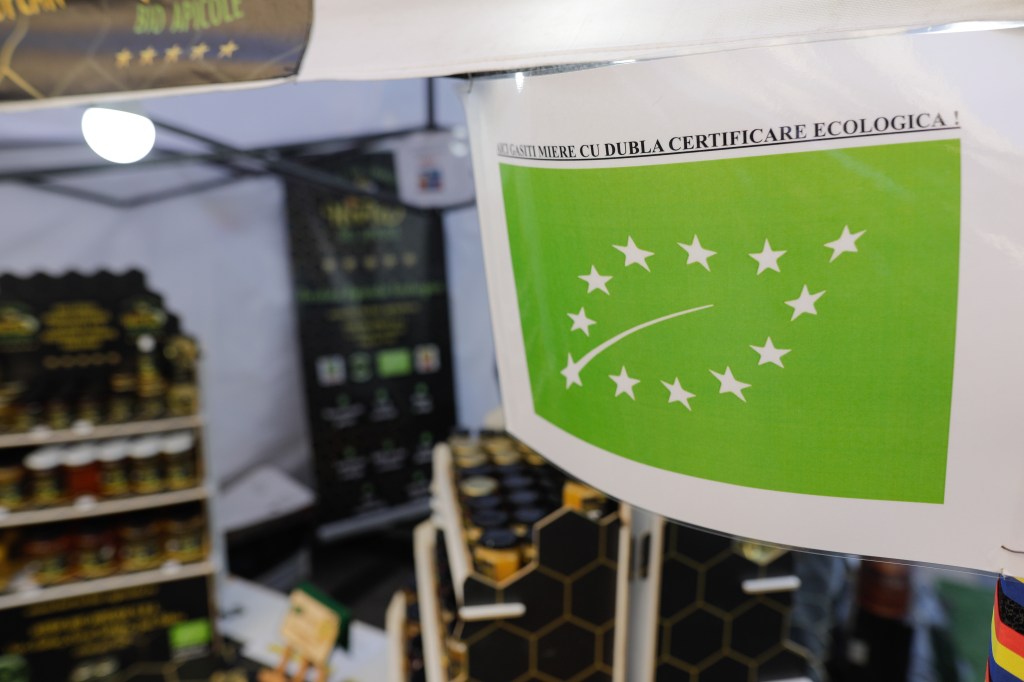
In supermarkets and department stores, the silhouette of a white leaf on a green background has become a common label. Jams, fruits, vegetables, meat, milk, foods that, by tradition, have always been organically produced, but which now must be certified to comply with European regulations and, at the same time, to respond to a more demanding consumer in terms of sustainability, writes the Spanish publication El Confidencial.
Spain, France and Italy are also in the group of countries with the largest organically cultivated areas. This constant growth reflects not only the adaptation to increasingly strict regulations, but also the commitment of manufacturers to a model that, although it requires more care and controls, offers new market opportunities. In many regions, public institutions themselves provide training for professionals.
For example, the Zaragoza Dinámica program, which offers free courses for workers in the sector, organic producers, young farmers and the unemployed.
These techniques, which combine biodiversity recovery with agricultural profitability, are far from modern. “They are traditional by definition of the process itself,” explains Gonzalo Palomo, president of the Spanish Society of Organic Agriculture and Agroecology (SEAE).
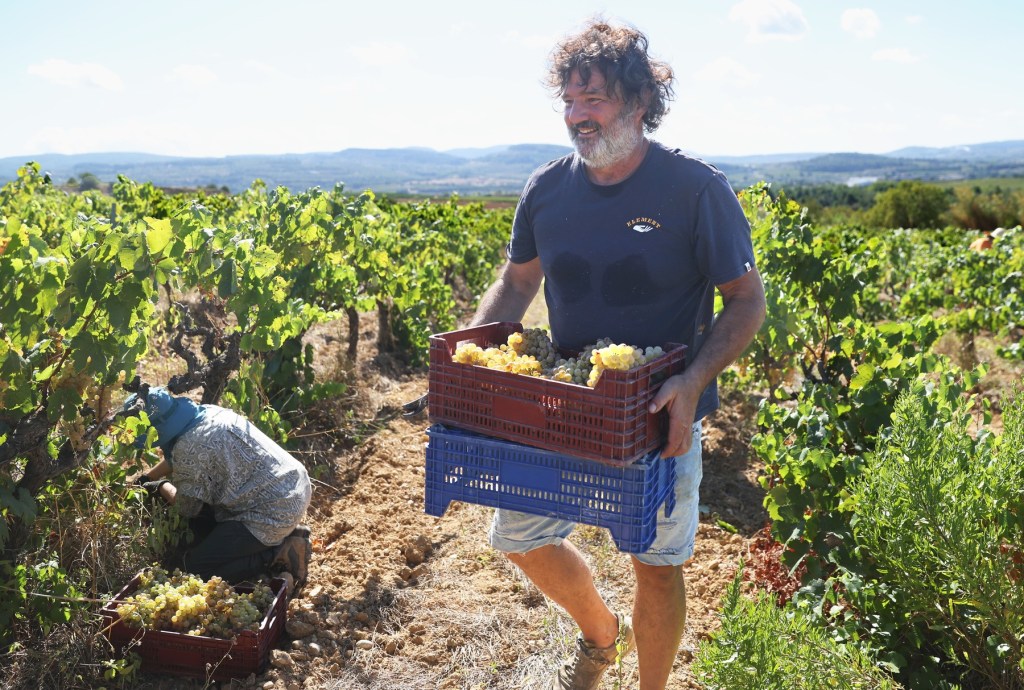
Spain has crops and animal husbandry systems that, through traditional methods, meet the requirements for eco-labels. For example, olive trees, which lend themselves particularly well to organic production.
Traditional dry olive trees, with long planting distances and plant cover, require few chemical treatments and favor soil and biodiversity conservation. Thus, inherited from generation to generation, they easily comply with the European requirements for organic certification.
The Organic Production Statistics Report confirms: the crops with the largest ecological extension in Spain are nutmegs (310,096 ha), olives (292,868 ha), grain cereals (261,924 ha) and vineyards (166,285 ha).
The key – to recover traditional practices without ignoring science and technology
At the end of 2023, the agricultural area usable for organic production in Spain reached 2.9 million hectares, 12% more than the previous year. If we also include non-agricultural ecological forest areas, the figure reaches 3.1 million ha. Andalusia is the leader (1.5 million ha), followed by Castilla-La Mancha, Catalonia, Extremadura, Murcia and Aragon.
Animal husbandry has, in turn, its own ecological label.
Spain also has examples of regenerative agriculture, such as the system of grazing on small plots, which are changed daily. This increases the number of animals, improves the soil and reduces the risk of fires.
Agroecology has become a pillar of the European Commission's environmental and agricultural policies. Rural communities are the main actors of change.
“The key is to recover practices – so-called retro-innovation – without losing sight of science and technology,” says Palomo.
At the same time, food crises (rapeseed oil, mad cow) have increased distrust in industrial agriculture and motivated consumers to look for safer products that restore biodiversity and ensure fair incomes for farmers.
Italy: international partnerships for the exploitation of organic agriculture
While still relying on native organic crops, Italy has also adopted new initiatives to regenerate and recover both land and resources.
In Puglia, for example, the Casalina Project transformed an abandoned farm into a thriving green oasis. Through reforestation and permaculture techniques, degraded and arid lands have been brought back to life, explains the Italian publication Il Sole 24 Ore.
The project not only restored the local ecosystem, but also created a community oriented towards a common goal, by involving migrant workers, organizing events and planning future agroforestry systems.
This is known as syntropic agriculture, a method of restoring fertile capital to make it more resilient and diverse.
In Sardinia, the scale is even greater. In recent years, the regional government launched the “Land for Youth” initiative, which encourages young entrepreneurs — especially those returning to villages — to start agricultural businesses.
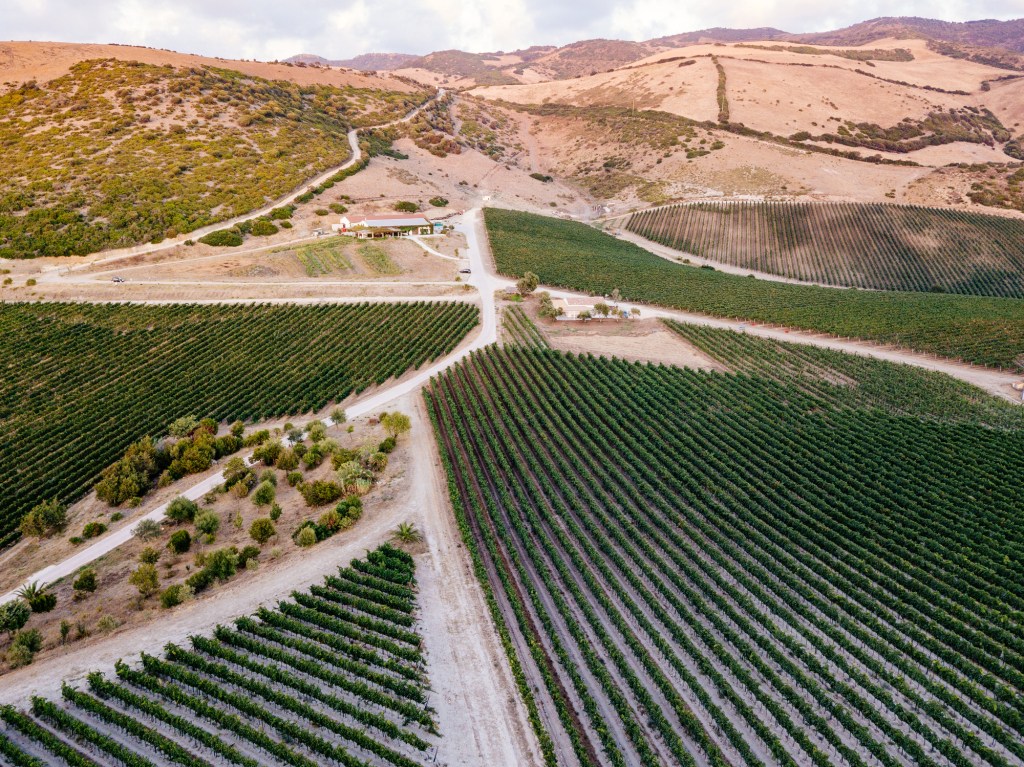
In addition, Sardinian rural communities are increasingly participating in international partnerships. Thus, several projects focused on biodiversity and aligned with international cooperation agreements were launched in the Barbagia Rural District.
After a collaboration with Lebanon, the district also concluded a protocol with Kyrgyzstan, through the local chamber of commerce.
This agreement not only supports import and export channels — including tourism — but also facilitates a legal and steady system of agricultural labor recruitment in Barbagia and throughout Sardinia, thus solving a chronic shortage of workers in the sector.
All of this conversion of conventional land to organic land for many crops requires investment, training, and time—a transition period where farmers must adapt crops, reduce or eliminate chemicals, and demonstrate that their practices meet the requirements for certification. And, often, this takes time, as it involves financial efforts that some find difficult to sustain.
What is the strategy of the Romanian Government for the development of the organic sector
Asked what is the strategy of the Romanian Government to boost the development of the sector, the representatives of the ministry answered: “To accelerate the pace of growth, MADR implements information and training measures for farmers through conferences, seminars and debates, both at the central level and through the county agricultural directorates. Also, media campaigns are underway to promote the benefits of ecological agriculture.”
At the same time, the National Action Plan for the Development of Ecological Production, approved in May 2023, aims at objectives such as:
- expanding ecologically cultivated areas and creating product chains;
- boosting processing and short supply chains;
- increasing the income of small and family farms;
- informing consumers and strengthening trust in organic products;
- intensifying control to prevent fraud.

The PULSE project is a European initiative to promote cross-border journalistic partnerships, co-financed by the European Commission (DG CONNECT) within the Multimedia Actions through grant agreement LC-02772862. HotNews.ro collaborates in the project with other prestigious publications from Europe: Delfi (Lithuania), Deník Referendum (Czech Republic), the largest Austrian newspaper Der Standard (Austria), some of the largest publications in Greece – EFSYN, El Confidencial – Spain, the largest Polish newspaper Gazeta Wyborcza, the oldest Bulgarian analytical and informational website Mediapool, one of the largest independent Hungarian publications HVG and Italian economic newspaper Il Sole 24 Ore, one of the oldest and strongest publications in the Peninsula.
Three renowned transnational media organizations – OBCT (Italy), N-ost (Germany) and Voxeurop (France) will coordinate the project activities.