A European company wants to extract gold from the places where most people see garbage: the huge cemeteries of abandoned planes

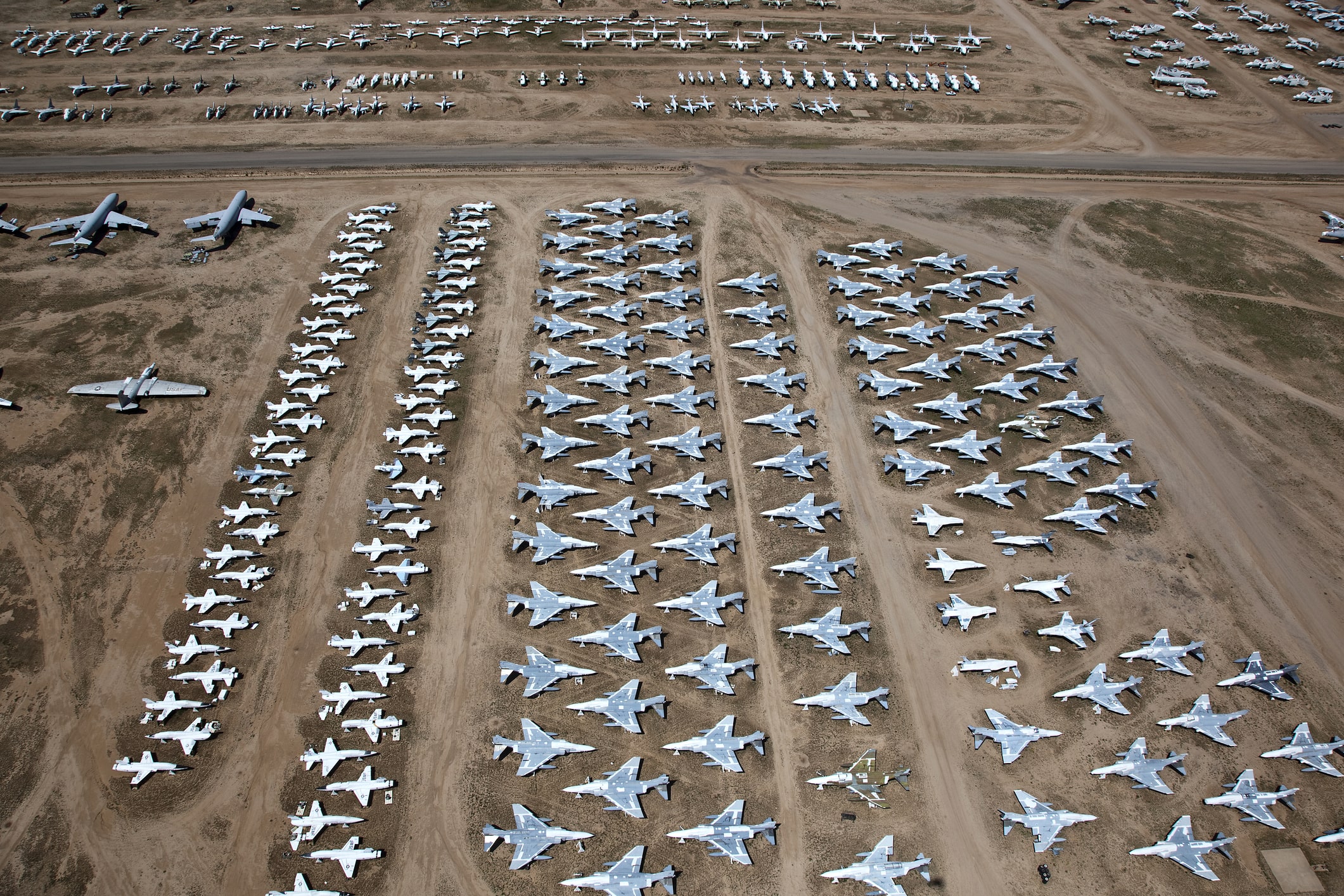
Airframes as far as the eye can see – although airplane cemeteries, especially those in the deserts of the western United States, fascinate photographers and aviation history buffs, they are ecological aberrations. Currently, very few aircraft components are recycled, which can be a veritable “gold mine”, according to a European company, reports La Libre.
Unlike other sectors, such as the automotive sector, aircraft manufacturers and owners are not subject to any obligations in this regard. The only logic that prevails is the economic one, and it is an implacable one.
“At the moment, scrapping an airplane costs less than dismantling it,” Stéphane Burton, director of the Belgian aeronautical group Orizio, explained to La Libre. Therefore, places with a lot of free space – such as the Mojave Desert in Arizona, but also the airports of Teruel (Spain), Tarbes (France) or some sites in Africa – have specialized in storing old, decommissioned aircraft.
“Some leave the dirty work to others, letting these appliances rust,” an expert told La Libre.
Component crisis in the aeronautical industry
Sabena Engineering, the subsidiary of the Belgian Orizio group specializing in aircraft maintenance, intends to change the situation. She has set her sights on a space near Charleroi airport where she wants to recycle planes and make a profit at the same time.
The initiative comes amid what is shaping up to be a gradual paradigm shift in the industry – whether out of conviction or pressure, the aviation industry is increasingly paying attention to its environmental footprint.
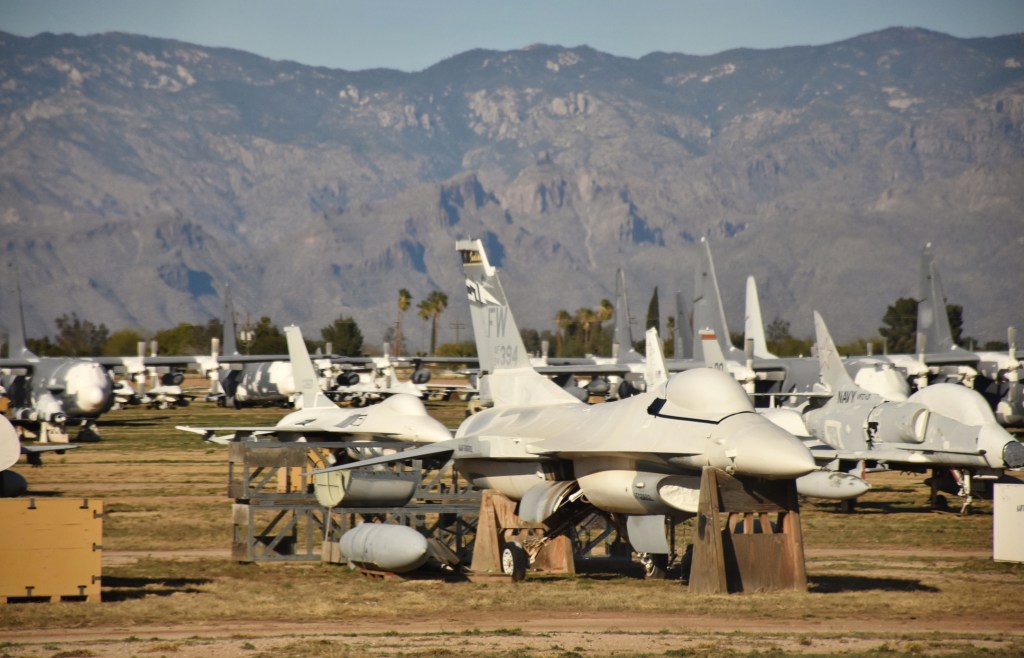
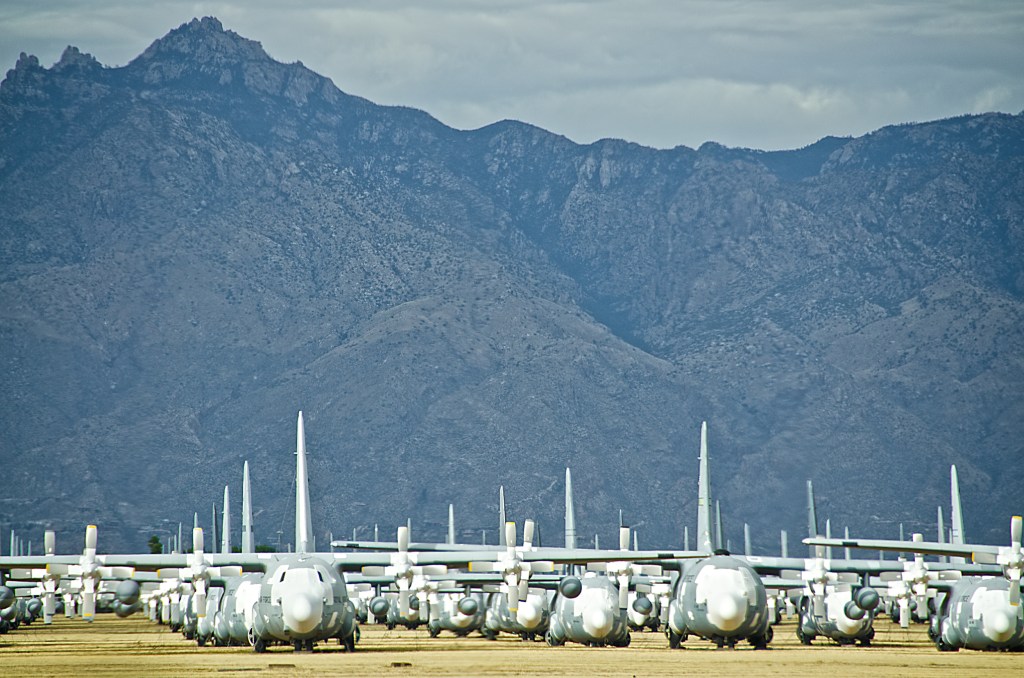
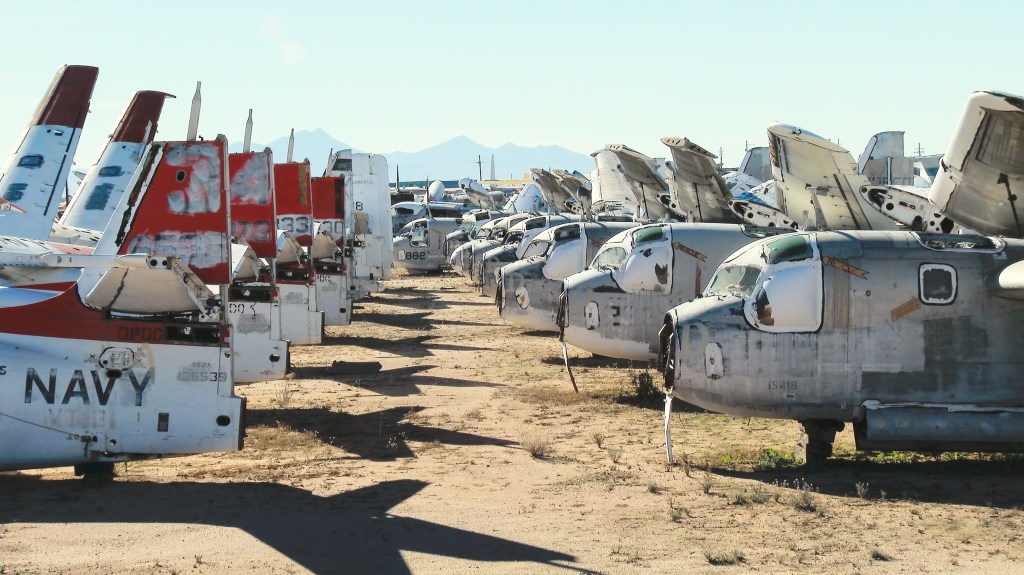
Aircraft Graveyard in Tucson, Arizona. Photos by Shelley Dennis, Crackerclips and Michaelfitzsimmons / Dreamstime
But there is also an economic motivation. The aviation industry is going through a historic crisis in the production chains of commercial aircraft. The recurring problems of the two major manufacturers, Boeing and Airbus, as well as their suppliers, are causing airlines to look for alternative solutions, including the “second-hand” market. “Certain aircraft parts have now come to have an inestimable value,” says Stéphane Burton.
This, in fact, is the objective of Sabena Engineering: to recover these parts and put them to good use, instead of turning the decommissioned aircraft into a mere pile of scrap metal. “If the dismantling is done right, absolutely everything has value in an abandoned aircraft – even the seats,” said a company representative.
The goal is that as many parts as possible can be reused on another plane, after an appropriate certification. In aviation, this process is also colloquially known as “cannibalization”. Experts officially call it the circular economy. “This way we avoid a whole highly polluting cycle: the extraction of ores needed to manufacture these parts,” emphasizes Burton.
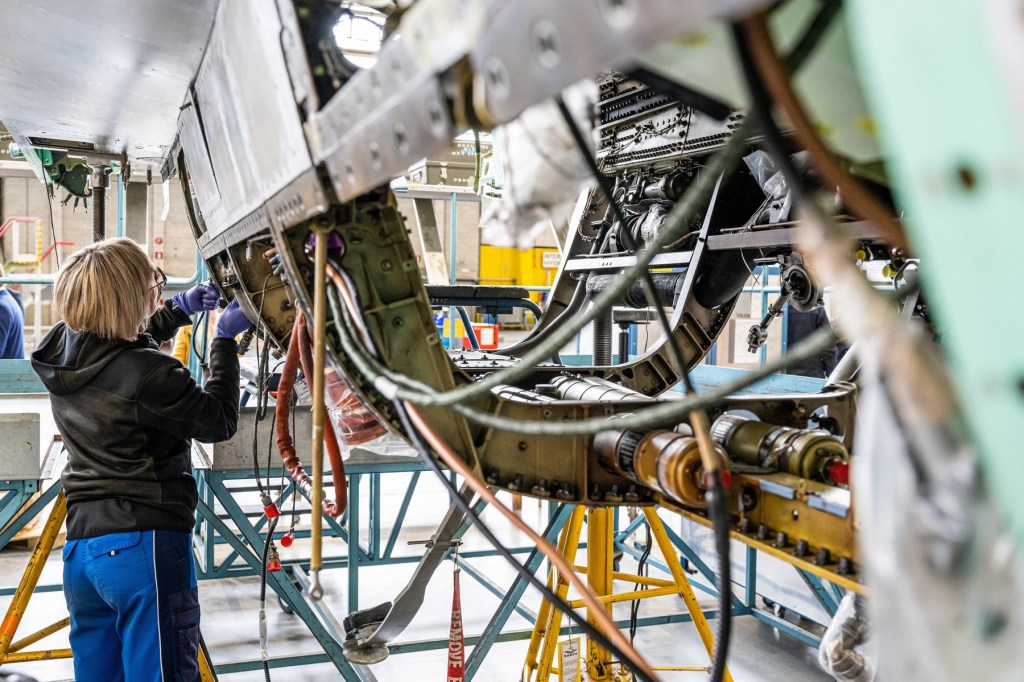
The Belgian company is not starting from scratch
Some items, such as hydraulic pumps, can also be used in other industries, such as automotive. For the rest of the components, Sabena Engineering intends to turn to one of its partners: the Comet company, specialized in metal processing. “They have innovative techniques that allow them to separate the different types of aluminum from the structure of an Airbus or Boeing. This makes them easier to reuse,” explains a Sabena representative.
The ambition of the company, which is based in the small town of Gosselies in the Charleroi region, is to dismantle between 30 and 50 aircraft per year, given that, globally, between 700 and 1,000 aircraft are retired annually. The Charleroi site would become operational by 2030.
The company estimates that the project will require a total investment of 50 million euros and has already obtained commitments of 18 million euros from the regional authorities. If the project is successful, the company plans to expand this activity in Morocco and California – that is, near the largest cemeteries in the world.
Currently, Sabena Engineering is best known for maintaining military aircraft. At Gosselies, the company has one of the world's three centers – and the largest in Europe – for the maintenance of F-16 aircraft. From 1989 to the present, it has delivered after overhaul 1,600 military aircraft produced by Lockheed Martin.
PHOTO article: Timrobertsaerial / Dreamstime.com.