Important discovery made by INSEMEX specialists in the case of the explosion in Rahova. The source of the gas leak, outside the block


Experts outline a first hypothesis related to the cause of the explosion in Rahova. They believe that the gas leaks appeared after the pipeline supplying the block on Vicina Street, where the explosion occurred, was damaged by the short circuit of a nearby electric cable, Observator News reports. Specialists found several cracks after lifting the pipe for analysis.
Specialists from the National Research-Development Institute for Mining Security and Anti-Explosive Protection (INSEMEX) extracted the gas pipeline that feeds the block in Rahova affected by the explosion, and it allegedly showed several cracks.
The pipe was connected to the main pipe and passed through the same underground tunnel through which the electrical cables and the water supply of the block are drawn. It is possible that a short circuit in the electrical cable has led to the cracking of the gas pipe, write those from Observator News.
The underground accumulation then propagated through the vertical column of the block. However, the space was blocked, somewhere above the 5th floor. So the gas came out through a ventilation grill and accumulated in one of the apartments, which finally led to the explosion, experts believe.
What INSEMEX's preliminary data show
And Digi24 cites data from the preliminary report drawn up by INSEMEX specialists after the on-site research, which records the fact that the gas leak took place underground and would have reached the building through the vertical column.
According to the INSEMEX report cited by Digi24, a main high-flow pipe in the Rahova district, near the block where the building that blew up is located, leaked gas due to some cracks. “The gas, through a system of smaller ducts of a disused duct, got into that block and through the ventilation system, it started going up somewhere on the 5th floor, the 6th floor.”
Between the 5th and 6th floors, the gas encountered an obstacle and then filled an apartment. An electric arc, say INSEMEX specialists, meaning a spark, ignited this gas accumulated there. Being a very large amount of accumulated gas, the explosion occurred. “In a fraction of a second the gas was ignited, which suddenly increased in volume and by this sudden expansion the walls were expelled.”
What the tenants said
And the tenants confirm that the events that led to the tragedy began on the morning of Thursday, October 16, with a power failure. Paraschiva Popa, the administrator of the block, tells: “After that, he turned it on (electric current, no), but with a strong phase. On the 6th floor, in apartment 96, his refrigerator was burned.”
A few hours later, after 9 o'clock, the Distrigaz team also arrived at the block. The employees closed and sealed the second valve of the gas pipe, outside the block.
Firefighters also arrived at the block. They noticed the accumulation of gases in the basement, but no flame. In their presence, a woman's apartment where the gas sensor had been triggered was checked. The tenants had no luck with the private company they called to check where the gas leaks were coming from. The company's employees only noticed the presence of the accumulation, but left after they did not agree about the money with the administrator.
Overnight, people stayed with the doors of the block open because of the extremely strong smell of gas. In fact, many tenants told then that the smell of gas could still be felt, the sensors and central units beeped, even after the gas was turned off in the block. The next day, calls came in a cascade to Distrigaz and from the neighboring block.
“The gas emanation came from the basement. So, check the gas pipes in the ground, check the electrical installation in the ground, the short circuit in the ground, it may have affected the gas pipe,” declared Mihai Marian, a tenant in the block, quoted by the Observer.
Now, the first data from the survey confirm the tenant's hypothesis.
On-site investigations continue
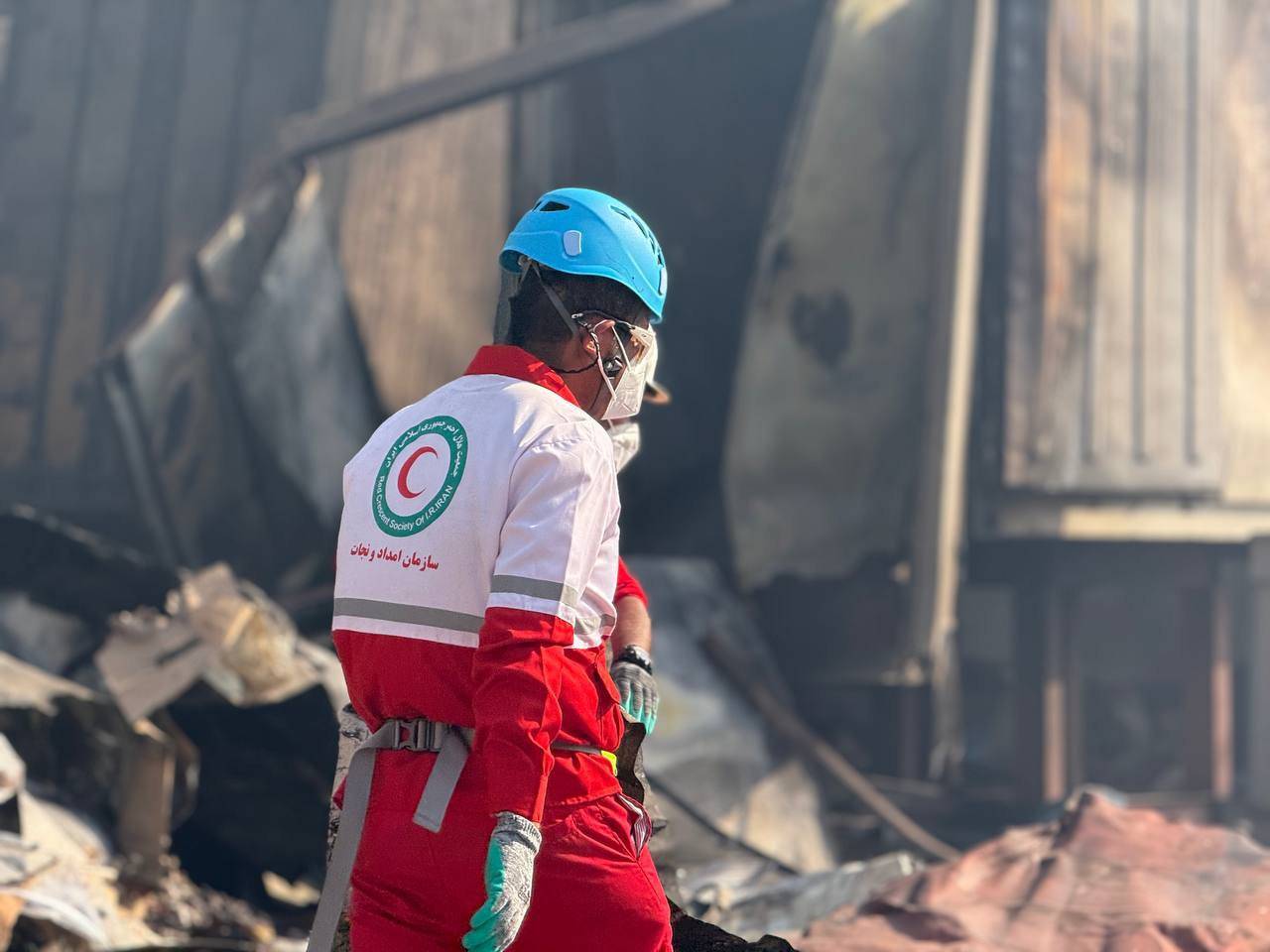
Experts in anti-explosive security carried out investigations on Monday and Tuesday in the outer perimeter of the block in Rahova affected by the violent deflagration produced on Friday morning.
And the specialists from Insemex Petroșani gathered the evidence they needed: they removed a 20-meter pipe with the excavator, as well as faucets and a valve, which they will analyze, reports TVR Info.
The investigation continues inside, but with great caution, because a new tragedy can occur at any time. Precast panels are at risk of falling at any time. Firefighters, gendarmes and police are still in the area.
Sources from the investigation say that the idea of a criminal hand has been completely removed, notes TVR Info.
Three people died and 15 others were injured in the explosion at the apartment building in Rahova.
 Rahova explosion: The authorities have expanded the perimeter under investigation. Distrigaz postpones the restart of gas on several streets in the area
 The explosion in Rahova: “There are no indications that the event was generated by explosive material. The causes of the deflagration have not yet been established” – prosecutors insist