Europe on alert: Germany warns that Russia is preparing for a new war. “Only pressure can stop Moscow”


Although the war in Ukraine continues with increased intensity, Russia already seems to be preparing its next large-scale military confrontation. According to a warning by Bundeswehr Lieutenant General Alexander Sollfrank, the Kremlin is reconfiguring its ground forces, investing in new capabilities and training its forces for a potential major conflict in the near future. The information was presented in a recent interview with The New York Times.
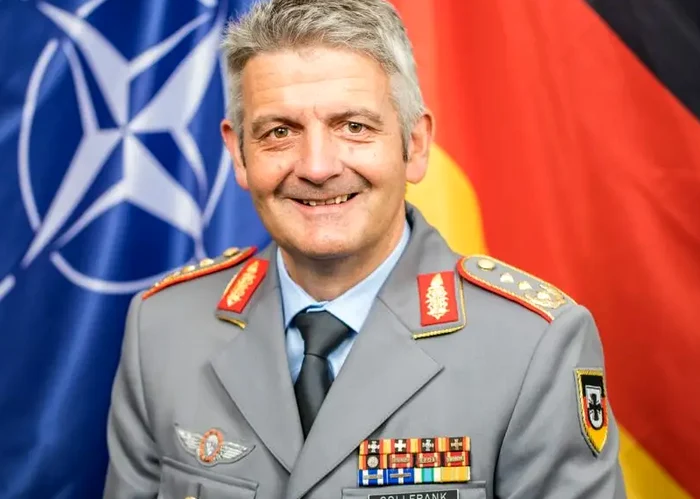
Lieutenant General Alexander Sollfrank from the Bundeswehr/FOTO:X
“The only reason Vladimir Putin will stop is because he will be stopped”says General Sollfrank, stressing that the Russian threat can only be neutralized by a firm, coherent and sustained response from Europe. He warns that the stake is not only the territorial integrity of Ukraine, but also the preservation of the democratic order on the continent.
The Ukrainian Stake: European Security and Liberal Democracy
“Without substantial support for Ukraine, Europe risks losing not only a strategic partner, but also the stability of the entire region,” added the general. According to him, the success or failure of the Ukrainian resistance can determine the fate of the principles on which post-war Europe was built: the rule of law, respect for borders and functioning democratic systems in Central and Eastern Europe.
The German general believes that supporting Ukraine is no longer a matter of solidarity, but one of collective security. Aid—whether military, financial, or logistical—must be calibrated to reduce Russian pressure and prevent escalation of aggression.
Hostilities without significant advances. War of attrition
On the front, developments remain relatively static. Neither side is able to make significant territorial gains, and the Russian offensive during the summer has not produced the expected results. Instead, both militaries are focusing their efforts on missile and drone attacks on civilian infrastructure in a mutual effort to exhaust the adversary's logistical capabilities.
Military analysts predict that there will be no significant changes on the ground in the coming months due to the operational limitations of Russian forces and the shortage of personnel facing the Ukrainian military.
Germany wants the largest conventional army in Europe
In this context, Germany reaffirms its intention to become the main security provider on the continent. Berlin's plans call for expanding the armed forces to 260,000 active-duty troops and another 200,000 reservists, as well as reforming the command structure, reducing the military bureaucracy and speeding up the integration of the latest technologies.
“We're experts at cuts, but what's needed now is a colossal effort to build what's needed”said Sollfrank, referring to the urgent need to adapt defense structures to new realities.
On the financial front, EU member states are increasingly seriously discussing the possibility of using frozen Russian assets to finance Ukraine's defense effort. Specifically, an interest-free loan is proposed to strengthen the Ukrainian defense industry, but the initiative runs into reservations expressed by the European Central Bank and some member states, who cite legal risks and dangerous precedents.
American diplomacy is at an impasse. Trump's role in question
Against the background of these tensions, the failure of a potential summit between US President Donald Trump and Vladimir Putin raises new questions about the future of US involvement in peace negotiations. Although a recent call appeared to pave the way for a meeting in Budapest, Kremlin reluctance over Washington's proposed terms has put preparations on hold.
Secretary of State Marco Rubio canceled a meeting with Russian Foreign Minister Sergei Lavrov, and a senior White House official confirmed that the Trump-Putin summit will not take place “in the near future.”
In parallel, the Trump administration is being pressured by the Ukrainian side to supply long-range missiles (such as Tomahawk), but the Republican leader is hesitating, hoping, according to sources, for a direct agreement with Moscow – which, at least for the moment, seems illusory.
Europe takes the initiative. Summit for peace in London
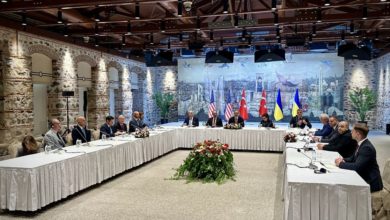
In the absence of a clear commitment from Washington, European countries are taking the diplomatic initiative. On Friday, in London, 35 allied states of Ukraine will gather for a new summit dedicated to peace negotiations. British Prime Minister Keir Starmer and Ukrainian President Volodymyr Zelensky will lead the talks, betting on a truce plan that would freeze the current front lines and set the stage for internationally supervised negotiations.
According to European diplomats, the plan is inspired by a mediation scheme originally developed by Trump for the conflict in the Middle East and involves keeping the US as the central player in managing an eventual peace process.