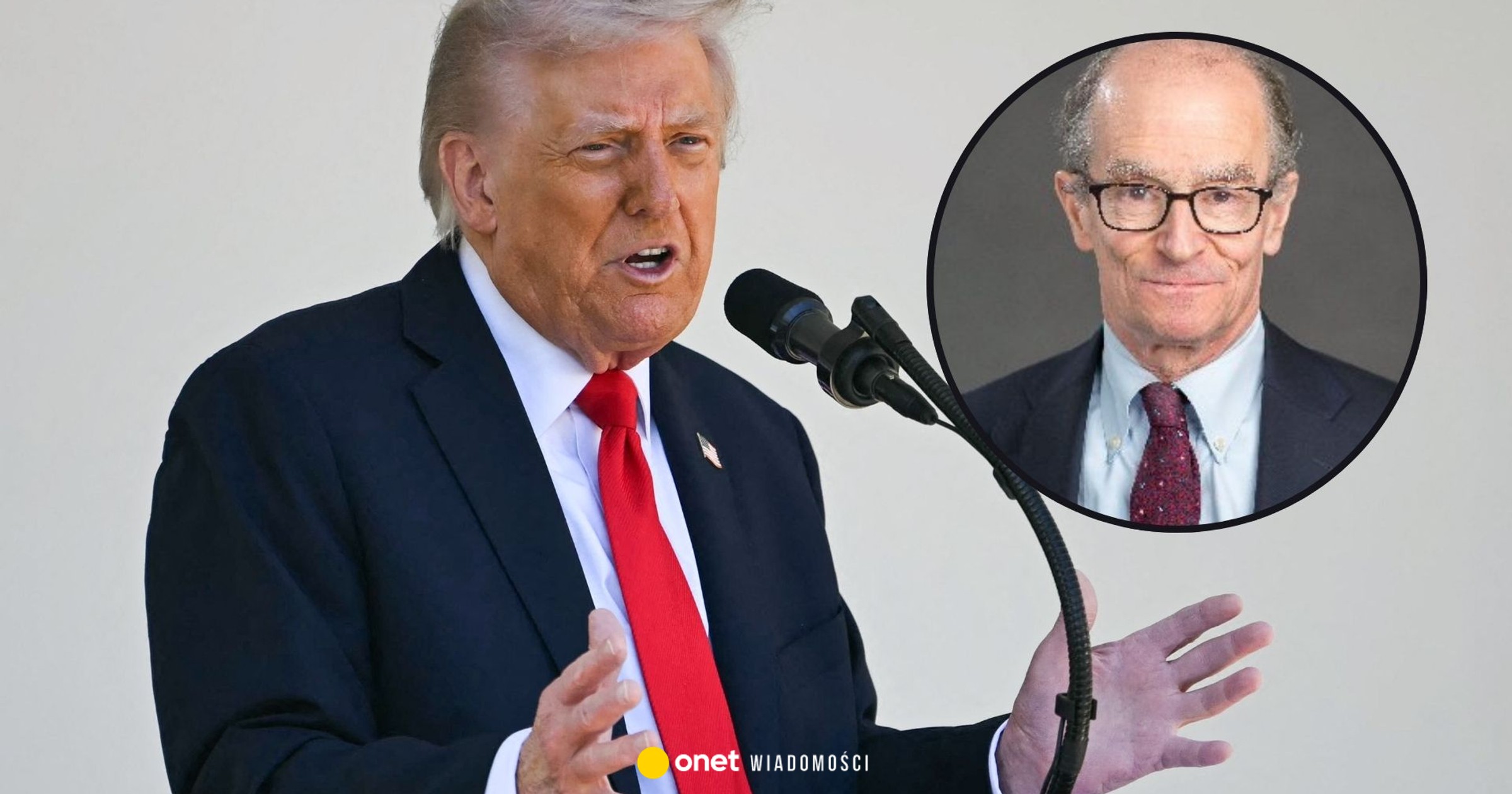
In an interview with the Kyiv Post, Fried, a former US deputy secretary of state who was a member of the delegation signing the Budapest MOU in 1994, called the choice of the Hungarian capital as the venue for the meeting “very strange” and “wrong”, arguing that the location itself signals weakness and pointlessness.
The expected Trump-Putin summit, which was to be held in Budapest, was most likely canceled due to Moscow's inflexible demands. On Tuesday, American media, citing sources from the White House, reported that talks regarding the planned meeting had been “suspended.”
According to reports The point of contention was Moscow's refusal to step downthat Ukraine must give up additional territory before a ceasefire — territory that Russia has been unable to capture militarily.
A senior White House official confirmed to Kyiv Post the official diplomatic break: — Secretary of State Marco Rubio and Russian Foreign Minister Sergei Lavrov had a fruitful telephone conversation. Therefore, an additional in-person meeting between the Secretary and the Minister of Foreign Affairs is not necessary and there are no plans for President Trump to meet with President Putin in the near future, he said.
The official noted that another telephone conversation between the two top diplomats is scheduled for this week.
These reports were quickly met with a sharp reaction from Kiev. President Volodymyr Zelensky directly linked the cooling of relations with Russia to Washington's hesitation regarding the delivery of Tomahawk long-range missiles.
In his evening speech, Zelensky warned that Russia “she almost automatically lost interest in diplomacy” when it became clear that the decision on the Tomahawks had been postponed.
“Moscow is in no mood to make concessions”
Fried's objection to Budapest as a meeting place is based on three reasons. First, he condemned the site for its historical failure, noting that the city was the site of “a failed attempt that gave Ukrainians empty assurances. They turned out to be useless.”
In a more direct way, the American diplomat opposed holding talks in a country whose leader is openly hostile to Ukraine, pointing out that Hungarian Prime Minister Viktor Orban ““isn't actually neutral”. — He favors Putin and is hostile to Ukraine.
The article continues below the video
In his opinion, “it is a mistake to press for another meeting unless you think something useful will happen.”
He warned that Moscow was “not in the mood to make any concessions,” suggesting that the White House may have backed down because “the Russians could expose it to another Anchorage-like defeat.”
Fried said that traveling to Budapest solely to “listen to another lesson from Putin on Russian history” would risk leaving the United States “used by Putin”.
“Don't let the Russians dictate the terms”
Beyond the summit's failure, Fried criticized the administration's broad approach to military support, lamenting that ““The inconsistency of the U.S. position is either a tactical error or worse.”
He stressed that the United States appears to “hesitate” when it “gets close to the limit of putting additional pressure on Russia and then backs away,” which damages credibility and threatens to turn U.S. policy “into a joke.”
Fried called on the White House to recognize and use its strong position, adding: “You have strong cards.” You can use them. Don't let the Russians dictate the terms.
He recommended “sticking to the US President's public statement that current front lines should form the basis of a ceasefire.”
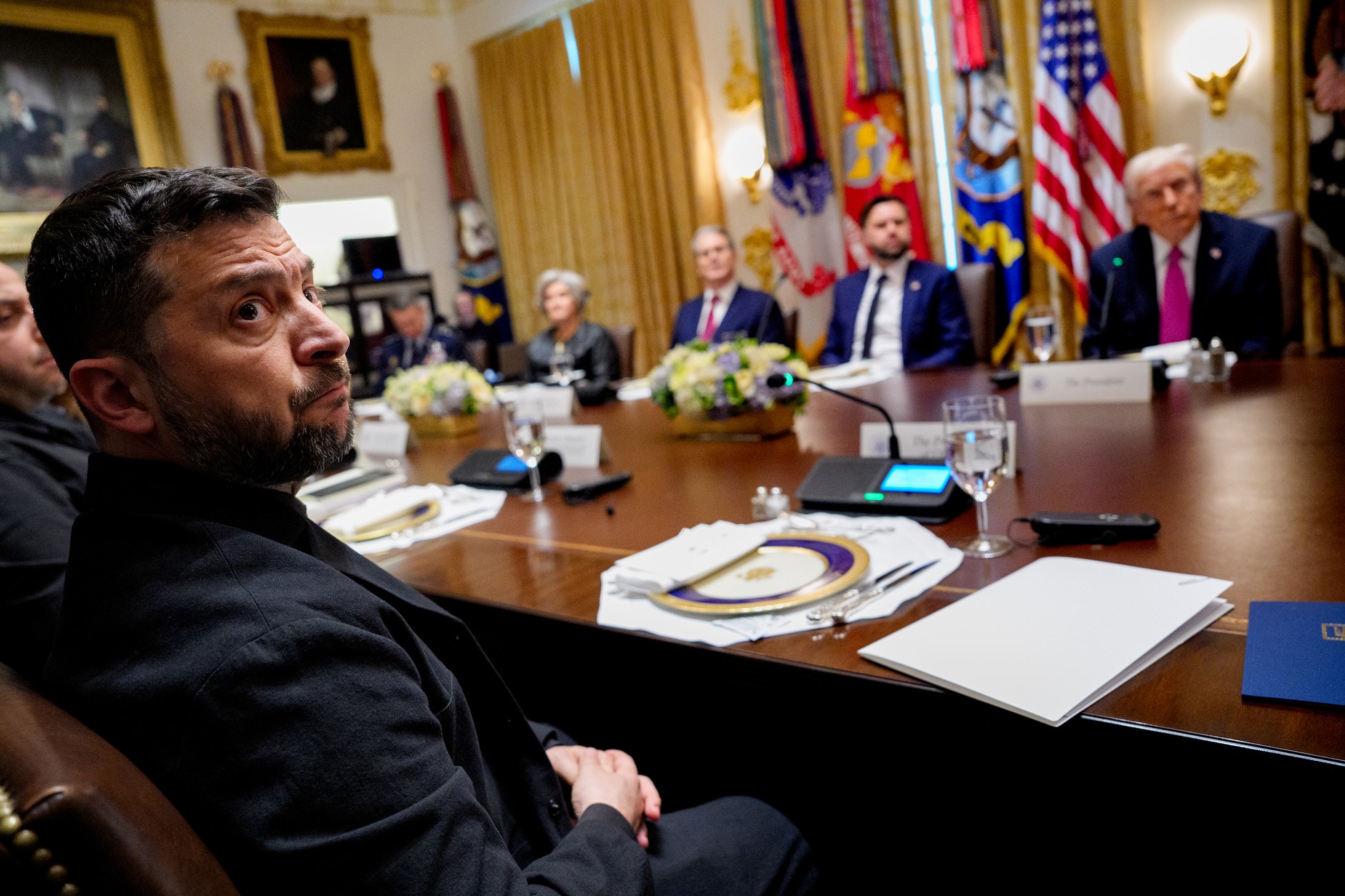
President of Ukraine Volodymyr Zelensky attends a meeting with US President Donald Trump at the White House, October 17, 2025Andrew Harnik/Getty Images/Getty Images
He also has advice for the White House on Tomahawk missiles. Rather than continue a public debate that undermines U.S. credibility, Fried suggested a more discreet approach.
“I would do it,” he confirmed regarding the delivery of the missiles, specifying: “Actually, my advice, if asked, would be: don't talk about it in public. Just deliver a few pieces and then let the Russians guess when the Tomahawk missiles will be used. And then just deny it to keep them guessing. “Don't make this a topic of public debate,” he concluded.
Finally, Fried advised European allies and Ukraine to take decisive action regardless of Washington's shifting position.
He urged Europe “not to wait for the United States” but instead “to move quickly to implement a clever plan of repatriation loans secured by Russia's frozen assets.”
The diplomat called on Europe to “continue to show leadership”, adding: – Don't give up on the United States, but don't wait for it to take action.
I’m Ashley Davis as an editor, I’m committed to upholding the highest standards of integrity and accuracy in every piece we publish. My work is driven by curiosity, a passion for truth, and a belief that journalism plays a crucial role in shaping public discourse. I strive to tell stories that not only inform but also inspire action and conversation.