They eat until they are exhausted, and the children watch them in fascination. What does the “mukbang” trend hide, which has already killed influencers

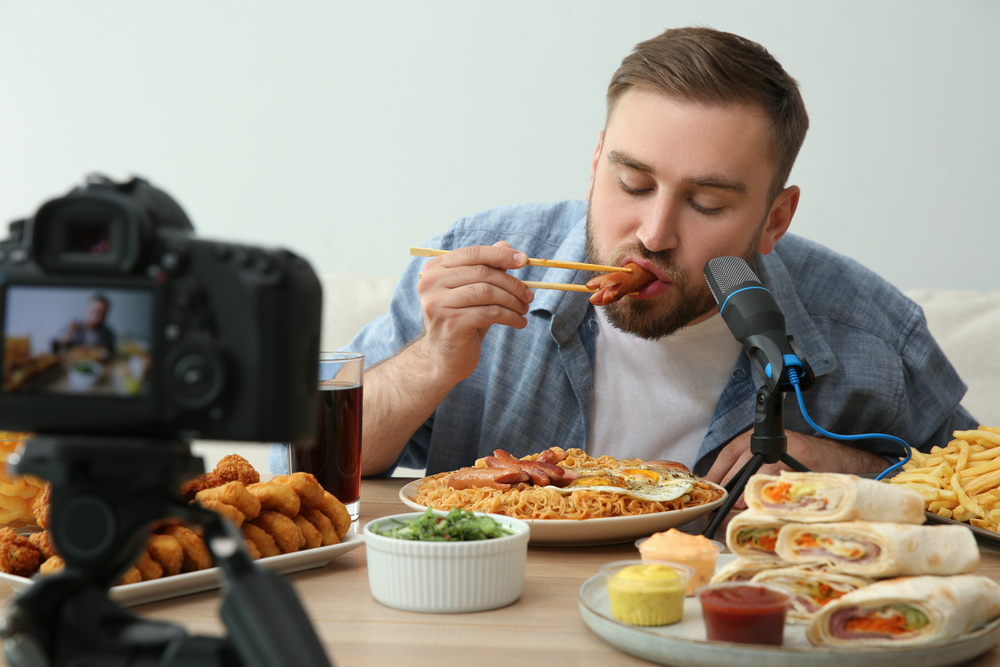
The Mukbang phenomenon: sounds, colors, reactions, the perfect mix for instant dopamine. Why should this phenomenon be explained to children? PHOTO: Shutterstock
It's shocking to see young people eating hot peppers like apples, fries in industrial quantities or fluorescent sauces. Children and teenagers watch them online in fascination, cheer them on and sometimes try to imitate them. phenomenon mukbang (from Korean – to eat live) began as an antidote to loneliness, but turned into a spectacle of excess and pain swallowed with a smile on your face.
One creator died during a broadcast and others faced serious illness. Psychologist Andreea Dumitru explains what parents can do to prevent the fragile consumption of this type of content by teenagers.
Mukbang originated in South Korea around 2010, when single people would turn on their camera on AfreecaTV, a local streaming platform, to dine “together” with others on the Internet. The audience commented live, sent small donations and discussed food. It was a form of connection in a highly competitive and isolated society. But as the phenomenon reached YouTube and TikTok, everything changed.
The company from the beginning turned into a spectacle of excess: huge plates, food in unreal colors, hot-fluorescent sauces and theatrical reactions. Creators began to compete for attention and push the boundaries to the point of absurdity, sometimes to the point of physical collapse.
In short: what had started as a form of empathy and socialization turned, under the pressure of algorithms and money, into a show that ignores the body. And for teenagers, this contrast – between the cheerful image and the real pain behind – is hard to understand without the support of an adult to explain what's behind the screen.
Read the rest of the article HERE.