An economist calls for reform of the energy system: “Enrich some special ones at the cost of our poverty”

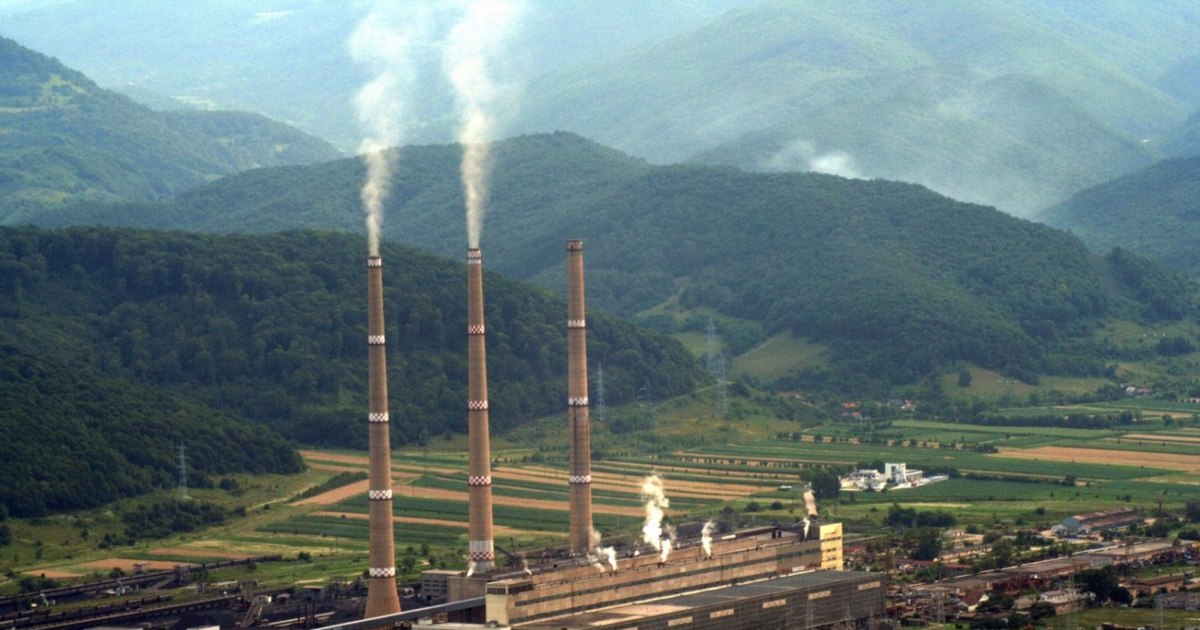
Professor at ASE Bucharest, macroeconomist Cristian Păun analyzes the problems that arise in a liberalized energy market, given that most of the production, transport and distribution of energy is “state-owned”.
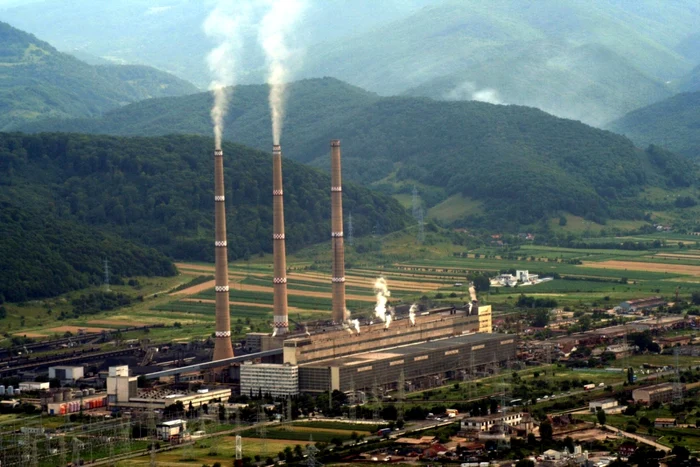
The energy system in Romania is outdated. PHOTO: Profimedia
Economist Cristian Păun writes about the liberalization of the energy market in Romania.
“The 'liberalisation' of the energy market is a good but bad joke. Most of the energy production is state-owned. Electricity transport is fully owned by the state. Energy distribution is also state-owned. Market regulation is done by the state. It is a bad joke to talk about prices and liberalization in this case. Especially since in the final price we are talking about 60% taxes, some even abusive or aberrant (cogeneration, pole tax, etc.)“, the teacher points out.
He harshly criticizes the energy system, showing that it is “tickled” from several directions:
“It is a system of milking cows, squeezed out of capital and constantly hungry. A system from which a gang of crooks interconnected to it earns. On the one hand we have the politicians and political tricksters who tick these companies, from the boards of directors, to the deputy head of procurement, each “has someone”. All are docile, all give the report, all execute, do not discuss. Especially if the state decides price increases. If you talk about listing on the stock exchange, privatization or public private partnership, the political tricksters howl like burned with all kinds of invectives like neoliberal, anarchist, libertarian, neocon, soroistic. They are not selling their country. I milk her. How to take it out of their hands”.
Energy liberalization with state production, distribution and transmission is a bad joke, the professor concludes.
“They buy cheap energy from state producers and sell it expensive”
He brings up the so-called smart guys in energy: “Guys and smart. They also plug politicians and tricksters in the system, they buy cheap energy from state producers and sell it expensive. Preferably, also to state companies. Or private, especially when the state can't produce as much as required. Then, they also import it.”
In this context, prosumers are considered class enemies: “They produce cheaply and confuse the gypsy wheel. We don't need liberalization here. As many approvals and barriers as possible. These soroists are dangerous. They set fire to the energy system. They must be respected. They endanger the scam.”
“You will consistently and systematically lose as the smart guys make fortunes”
The professor claims that as the system stands today, “leads us clearly to the fence. Enrich some specials. At the cost of our poverty, of all of us. About 1/5 of the difference in competitiveness today compared to our neighbors, at the industry level, comes from the expensive energy we pay.”
He says that in this context, Romanian companies cannot compete with French or northern European companies. “You will consistently and systematically lose to the smart guys making fortunes, the poly-tricks raking in the big bucks in CA meetings where everything is set up front and up.”
Paun believes that the energy system must be reformed from the ground up.
“Today, the energy system in Romania is increasingly disconnected from the Romanians. It must be reformed from the ground up, it must be returned to the people. And that can only be done by privatizing it, listing it on the stock exchanges. Only then can we really talk about private management and liberalization. Only then can we really talk about prices and apply economic principles to develop it and those it supplies. Until then, the liberalization of the energy sector is a bad joke done right! Are you a “smart boy”? Why aren't you?” – he concluded.