The new regulations, which have been in force since October 9, concern technologies related to the extraction, processing and re-export of products containing Chinese raw materials. Authorities in Beijing have restricted applications for export to military users abroad will not be considered positively.
A spokeswoman for China's Ministry of Commerce explained that the export control of rare earth metals is due to their dual use – both civilian and military. He Yongqian emphasized that the introduction of new rules is aimed at protecting national interests and implementing international obligations, such as counter-proliferation. She added that these measures were not targeted at specific countries.
Read also: China rejects Donald Trump's pressure. “One-sided intimidation”
Okay. 90 percent world market
In response to questions about facilitations for companies, He Yongqian announced that Beijing intends to simplify licensing procedures. She pointed out that China is working to shorten the application verification time and is considering introducing solutions such as general licenses or exemptions from the licensing obligation to support legal trade.
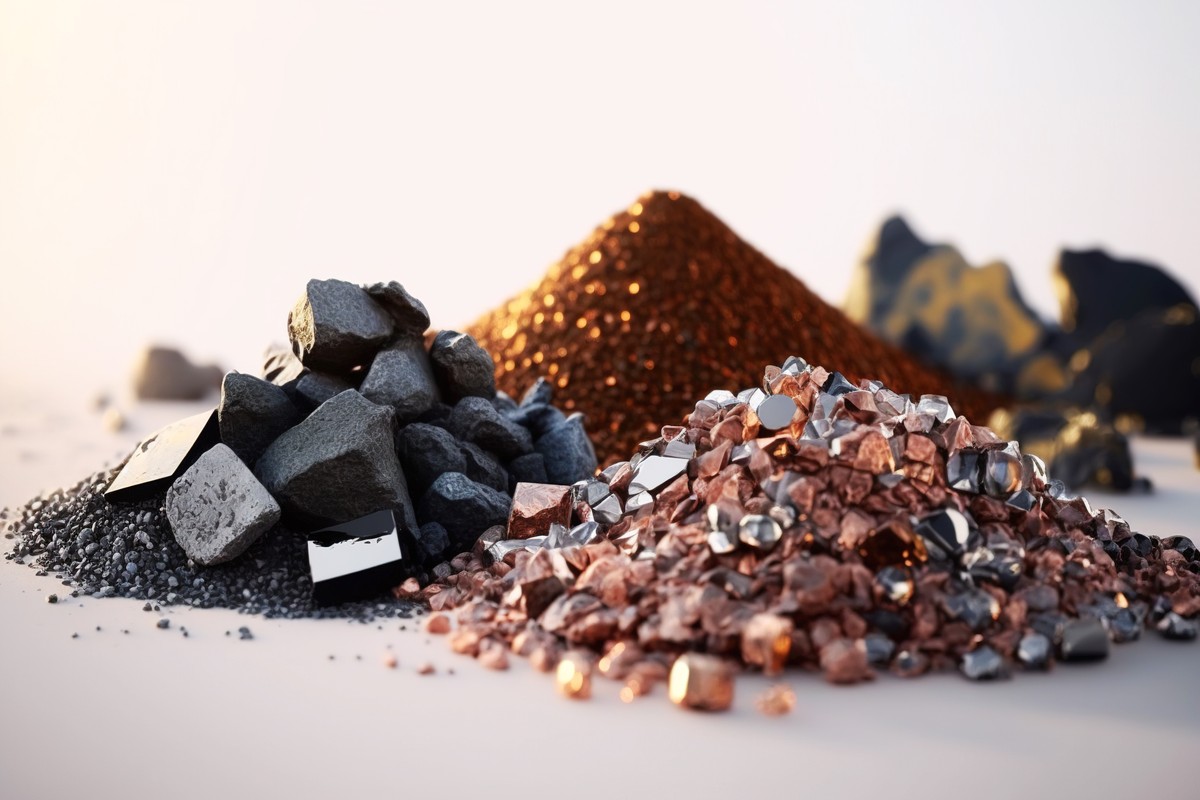
China plays a key role in global rare earth processing, controlling approximately 90 percent. world market. These raw materials are essential for the electronics, semiconductor, automotive and defense industries. According to data from the United States Geological Survey, global resources of rare earth metals in 2024 are expected to amount to 110 million tons, of which as many as 44 million tons are in China. For comparison, Vietnam has deposits of 21 million tons and Brazil – 22 million.
Beijing's decisions triggered a reaction from US President Donald Trump, who threatened to introduce 100% tariffs on Chinese goods. and tightening software export restrictions from November 1.