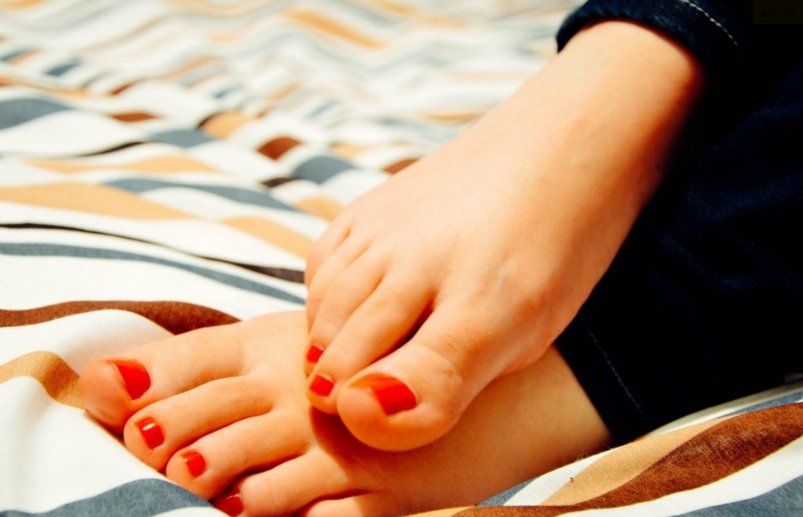
An ingrown toenail is a common problem that causes pain, discomfort and can lead to inflammation or infection. The big toe is most often affected, but the problem can occur on other toes as well.
Podologists advise to act correctly and on time to avoid complications.
Causes of ingrown toenails
- Cutting the nail too short or rounded increases the risk of ingrown nails. It is better to cut your nails straight, leaving the edges slightly longer than the skin.
- Shoes that squeeze your toes cause the nail to press into the skin, which causes ingrown nails.
- Impacts or frequent microtrauma to the toes can change the direction of nail growth.
- Some people have naturally more curved nail beds that are prone to ingrown nails.
- Health problems: diabetes, excess weight, fungal infections may increase the risk.
Home measures for the initial stage
- If the problem has just begun to appear and there is no severe inflammation, then warm foot baths will help you.
- Soak the legs for 10–15 minutes in warm water with added salt or antiseptic. This will soften the nail plate and reduce pain.
- After the bath, carefully place a small piece of cotton swab or gauze soaked in antiseptic under the edge of the nail to help the nail grow on top of the skin, rather than into it.
- Use iodine, chlorhexidine or special creams to treat inflammation.
- Wear loose shoes or sandals to avoid damaging the nail.
If the pain is severe and does not go away, purulent discharge appears, the finger is very swollen and the ingrown nail recurs regularly, you need to contact a podiatrist.
To prevent the appearance of ingrown toenails, have a proper haircut with a straight cut, wear suitable shoes, and practice good hygiene.
An ingrown toenail is an unpleasant but solvable problem. The main thing is not to delay measures, maintain hygiene and trim your nails correctly. At the initial stage, you can cope with home remedies, but if there are signs of infection or severe pain, you should consult a specialist.
Important: This information is not a substitute for consulting a doctor. The body's response to changes in diet/training may depend on individual physiology, genetic predisposition and health status. It is recommended to consult a specialist.