Generative artificial intelligence is no longer only used by civilian managers and office workers. Military leaders are also implementing it.
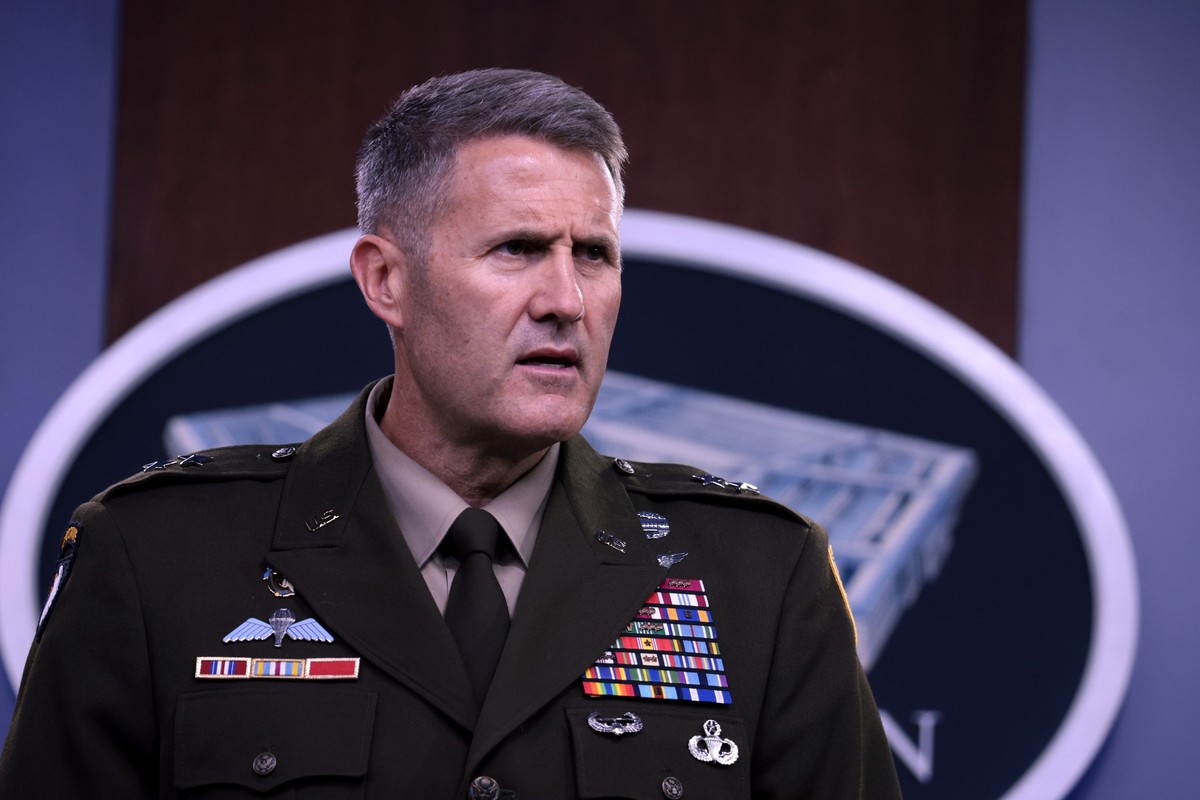
The US military's top commander in South Korea has revealed that he is experimenting with generative AI chatbots to improve decision-making – not on the battlefield, but in command and everyday work. He said that “chat and I” have become “really close lately.”
“I'm asking for creation, I'm trying to build models that will help all of us,” said Major General William “Hank” Taylor, commander of the Eighth Army, during a meeting with journalists as part of the annual conference of the Association of the United States Army (AUSA) in Washington.
Taylor explained that he uses this technology to analyze how he makes decisions – both military and personal – that impact not only himself, but also the thousands of soldiers under his command. He found the technology useful, but admitted that keeping up with the pace of its development was a constant challenge.
“As a commander, I want to make better decisions,” the general said. “I want to make sure I make decisions at the right time to gain an advantage,” he added.
See also: A NATO ally offers Ukraine a way around its biggest weapons production problems
Artificial intelligence in the military
Commanders like Taylor focus on quick decision-making and how AI can provide an advantage through a thought process known among military officials as “OODA loop”. Developed by American fighter pilots during the Korean War, this theory holds that soldiers who can act much faster than the enemy – observe, orient, decide and act – tend to gain an advantage on the battlefield.
The US military is increasingly implementing artificial intelligence, recognizing that in future conflicts, decisions may need to be made faster than humans can do.
The former secretary of the US Air Force said last year that he did not think it was an exaggeration to say that AI technology “will determine who wins on the future battlefield.” He also added that with the development of highly automated and autonomous “kill chains”, “reaction times needed to achieve an effect are becoming very short.”
Predicting what the future war might look like, he stated: “We will enter a world where decisions will not be made at human speed. They will be made at machine speed.”
AI is already being integrated into drone technology, tracking and data processing systems, among other applications – the AI algorithm even led a modified F-16 fighter in a simulated dogfight. However, military use of AI is not limited to combat platforms.
For example, Special Operations Forces seek to “reduce the cognitive load on operators” by using AI tools for clerical work, situation reporting, developing operational concepts, managing key supplies and logistics, and other back-office tasks.
See also: Leading AI security expert: If we rush, superintelligence could wipe us out
Operators are using AI to analyze Pentagon doctrine, improve search functions and help soldiers moving to a new position or location quickly become familiar with responsibilities and requirements.
There are obvious applications at the command level as well. Bianca Herlory, head of AI at the Joint Staff, said during a panel in April that “AI can significantly enhance the Joint Staff's ability to integrate and analyze global military operations, thereby enabling better and faster decision-making.”
However, the use of generative AI also raises certain questions, especially in the context of command-level decisions. The Pentagon advised caution as soldiers and commanders begin testing these tools, warning that Generative AI can reveal sensitive data. She can also create seriously flawed answers if she hasn't been properly trained – and that can be risky, even dangerous, if commanders rely on her to make high-stakes decisions.
The above text is a translation from American edition of Business Insider