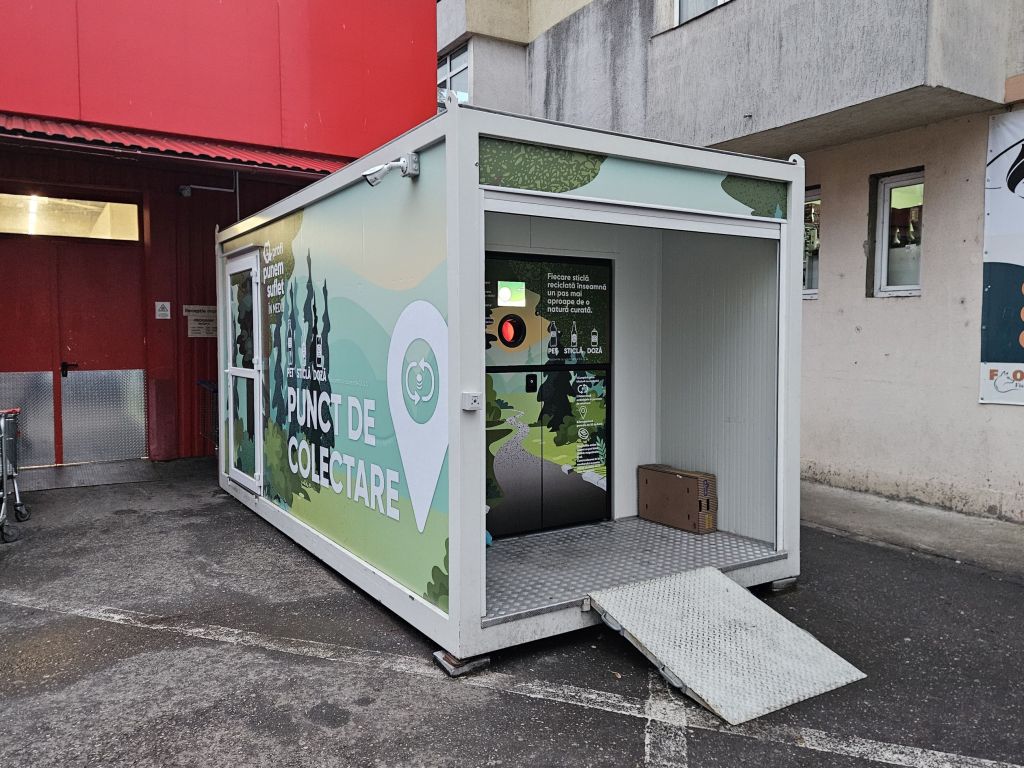
600 million bottles carried by the Romanians, in a month, for the collection machines. The target of the following years


The Romanians received money, in August 2025, for 600 million bottles, PETs and doses with the SGR logo deposited with the collection machines. What would the extension of new packaging and the development of the system in villages and common? What can Romania learn from EU countries that already have over 20 years experience?
- This article was carried out within the cross-border project Pulse by Vlad Barza (Hotnews.ro), Mika Bo Backhaus (Der Standard, Austria), Ana Somaville (El Confidential, Spain), Marina Kelava (H-ater.org, Croatia), Ieva Kniukstienė (Delphi, Lithuania), Petr Jedlička (Denik Referendum, Czech Republic), Maria Delaney (The Journal, Ireland) and Sarah Rost (Voxerop, France).
Not two years after launch, the guarantee-re-entry system has become a national routine, and the collection records are held, indicates the data consulted by HotNews. And the examples of good practice in the EU show what new possibilities are opening for people who have joined the system. In the first eight months of 2025, in Romania, the recycling rate was 77% for plastic, 71% in aluminum and 70% in glass.
Sweden and Iceland have the system since the 80's
More than 15 European countries have SGR type systems, the oldest being in Sweden (launched in 1984) and in Iceland (1989). The collection rate for PETs in the Nordic countries passes 90%, Sensoneo data shows, the Slovak company that provides the IT platform for SGR systems.
Large countries, such as Spain and Italy, do not have such “deposit return schemes” type systems, although discussions have been held in the respective companies.
However, even these countries have well -developed recycling infrastructure, have a separate collection at the source and there are regional SGR systems in several areas.
Different amounts depending on the packaging
Countries with over 15-20 years experience have drawn the paradigm: SGR systems need a few years for the collection rate to be high, and extension with new types of packaging is not done shortly after the system starts.
Some countries have several amounts of the guarantee, for various types of packaging, but such differentiations can be implemented, it results from the case experience we present after international documentation, only after the system matures.
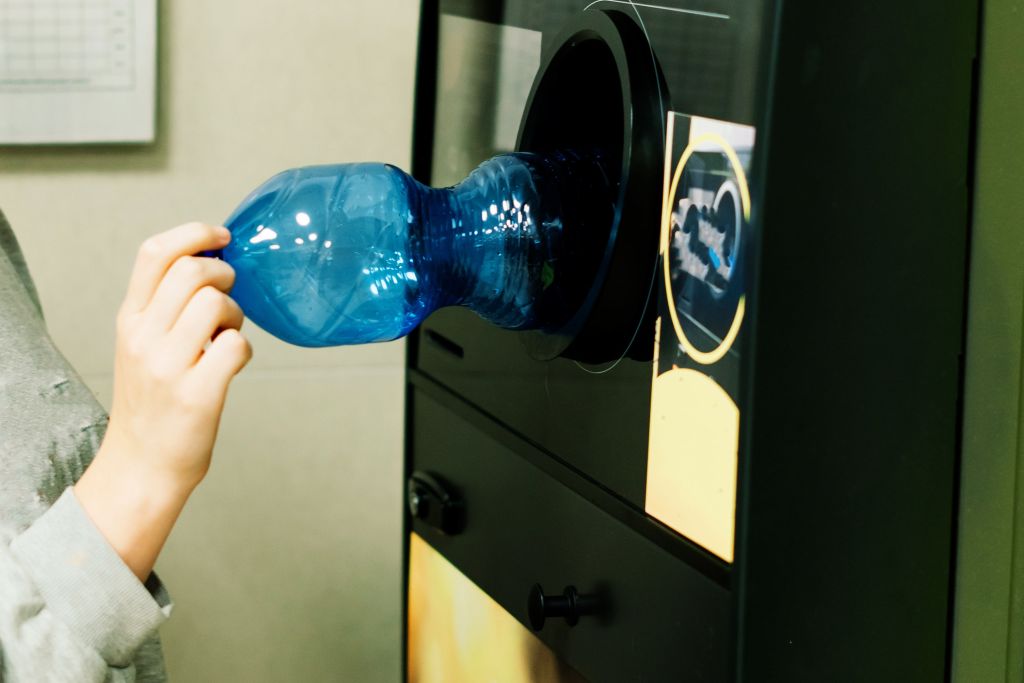
In Romania, things were difficult to move originally. Until the system has been put into operation. But even so, our country started faster than many states in the region that have not yet been able to let go of the collection system.
European champion, Germany, offers 0.25 euros for disposable packaging
Germany has the best known (and huge) SGR type system and has been operating since 2003, and the guarantee is called PFAND.
The recycling rate has reached 98% and a number of changes have been made over the years. Germany has 40,000 returns (six times more than Romania – it is true that in a population 4 times higher).
From January 1, 2024, the German system has been extended to include disposable plastic packaging containing dairy products (milk, milk -based drinks).
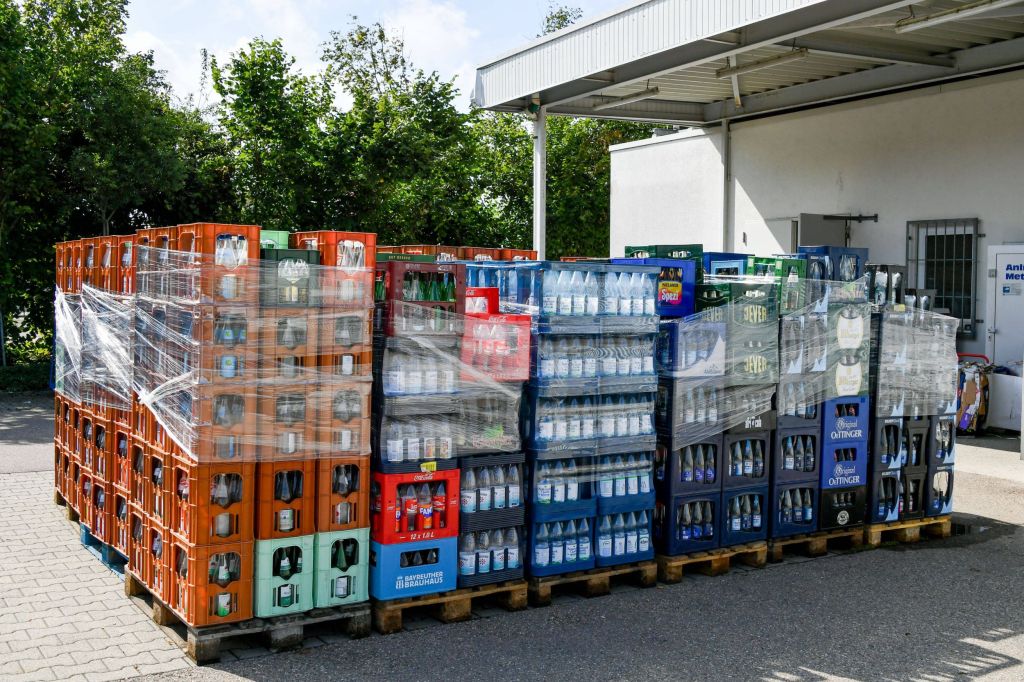
The German system is special by the fact that it includes both disposable packaging that are recycled after they reach automatons, but also reusable packaging (again in the market).
Another special thing, the guarantee is not the same for all packaging, but differs, so that at reusable, the guarantee is smaller (between 8 and 15 cents), to encourage return repeatedly. At the disposable ones the guarantee is 25 euros.
Spain has some local systems. Plan a national one too
In 2023, Spain managed to recycle only 41% of disposable plastic bottles, well below the 70% threshold required by the Law on contaminated waste and soils. This non -compliance determined the authorities to adopt new measures to ensure the respect of the European recycling objectives.
Spain does not yet have a national system of guarantee, return and reimbursement as Romania has. However, many autonomous communities have their own systems, and according to the Chamber of Commerce in Madrid, Spain will implement the system of deposit, return and reimbursement (SDDR) in November 2026.
In certain areas of Spain, this initiative was implemented in the private sector. For example, in 2018, the Broz supermarket chain launched in the Canary Islands that accept plastic bottles, in exchange for money received by customers.
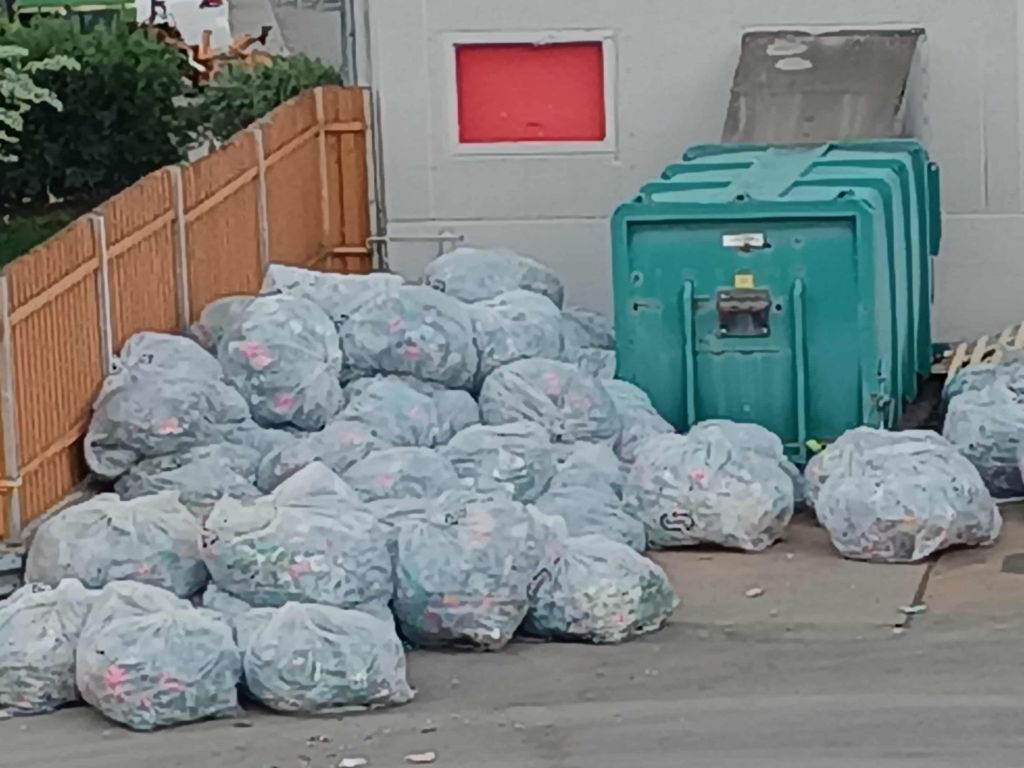
In Catalonia, one of the public-private initiatives took place in 2020, when recycling rewarding devices were installed in the stations in the region.
However, it is not a classic SGR (money against packaging). Through this system, when you submit recyclable materials in one of the available appliances and scan the QR code displayed on the screen, you receive points that you can change for various rewards available in the application developed by EcoMbes.
Croatia already has 19 years experience, some NGOs ask for the amount
Croatia has a very successful program for collecting PETs, bottles and metal doses. The program was introduced in 2006, making Croatia one of the first European countries that implemented it.
The collection rate in the guarantee-retry system is high and varies between 77% and 87%, depending on the material (PET, glass, doses). In some years there were even collection rates of over 90%.
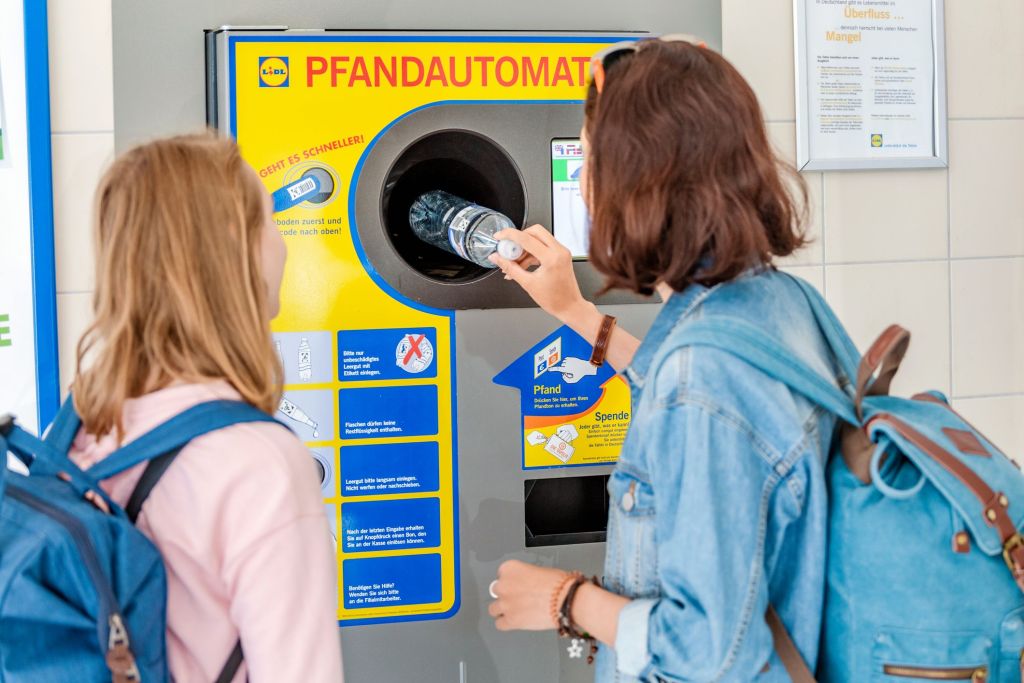
For almost 20 years, the guarantee remained 50 lipa, the subdivision of the Croatian coin. With the introduction of the euro, in January 2023, the guarantee was equivalent to 7 euros, an amount that the environmental NGOs considered too small.
Starting with January 1, 2025, the value of the guarantee was increased to 10 euros (50 money) and were included in the system and additional packaging, such as small bottles of 0.1 l and certain types of “tetrapak” type packaging (until this year, only the packaging greater than 0.2 l) were included in the system).
Some environmental NGOs claim that the guarantee should be at least 15 euros.
Austria has strongly expanded SGR this year
On January 1, 2025, the SGR type system for plastic containers and aluminum doses was extended, until only the bottles were included. Specifically, a 25 cents guarantee is perceived for all drinks with a capacity between 0.1 and 3 liters.
Supermarket chains have invested tens of millions of euros, especially with the help of subsidies from European funds and national environmental funds. Funds that total 97 million euros are available.
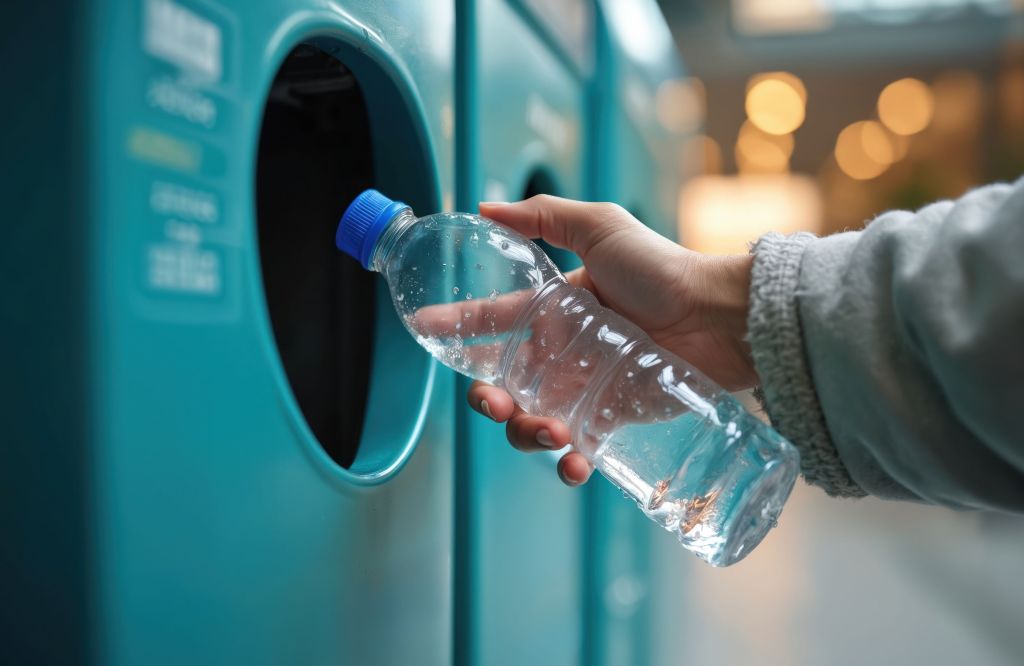
According to a survey commanded by the Recycling Association PFand Österreich and conducted by the Marktagent market research Institute, almost three quarters of consumers supported the system in July, and four out of five people were considered well informed about the process.
Between seven and nine million disposable packaging are returned daily and it is realistic to reach an 80%return rate, by the end of the year. Austria aimed to reach the 90% rate two years before the objectives set by the EU for 2029. About the Austrian system you can read more here.
And the Association of Traders is satisfied, even though at first there are always small problems with a new implemented system. Retail chains are obliged to receive only the types of bottles they sell themselves. “If a store does not sell 0.33 liters doses, it is not obliged to receive them,” say those from the Austrian Association.
Czech and lens 2026
In the Czech Republic, a system of guarantee-return for beer bottles, wine and juices is in operation from the first half of the 20th century. Each trader (s) must receive back the bottles of the drinks they sell. In most supermarkets, this is now done by automatic for returnable bottles.
Because the system works for a long time, people have become accustomed to it and, although there is no punctual data on its efficiency, the general perception is that it works well, according to polls. The Czech press wrote about homeless, or low -income, who are looking for packaging in various places, to make extra money, collecting the guarantee.
Starting with 2026, doses of drinks and PETs should be collected in a similar way to classic bottles, although this change has many criticisms and it is not clear whether the new government will be held. About the plans discussed in the Czech Republic you can read here.
What is the big step that can follow in Romania and other examples from European countries, in the next episode, on Hotnews.

The PULSE project is a European initiative to promote cross-border journalistic partnerships, co-financed by the European Commission (DG Connect) within Multimedia actions by Grant Agreement LC-0272862. HotNews.ro collaborates in the project with other prestigious publications in Europe: Delfi (Lithuania), Deník Referndum (Czech Republic), the largest Austrian newspaper Der Standard (Austria), some of the largest publications in Greece – Efsyn, El Confidential, Spain, the largest Polish newspaper Gazeta Wyborcza, the oldest analytical and information site. MediaPool, one of the largest HUVG HUVG and Italian newspaper with economic profile for 24 hours, one of the oldest and most powerful publications in the peninsula.
Three renowned transnational media organizations-OBCT (Italy), N-OST (Germany) and Voxerop (France) will coordinate the project activities.