The Małopolska tourism industry is watching the situation in the Middle East with concern. On Saturday morning, Israel and the United States launched airstrikes against targets in Iran, and Tehran carried out retaliatory attacks on American bases in several countries in the Persian Gulf.
The escalation of the conflict in the Middle East may threaten the arrival of tourists from Arab countries to Poland, warns Karol Wagner from the Tatra Chamber of Commerce. However, as he emphasizes, the number of holiday bookings from this region is currently still growing.
— We are aware that if the conflict intensifies, there is a high probability, bordering on certainty, that the arrival of tourists from Arab countries to Małopolska, including Podhale, will be suspended. However, this would be a so-called scenario. a black swan, i.e. an event that is difficult to predict and may have breakthrough consequences – says Karol Wagner from the Tatra Chamber of Commerce.
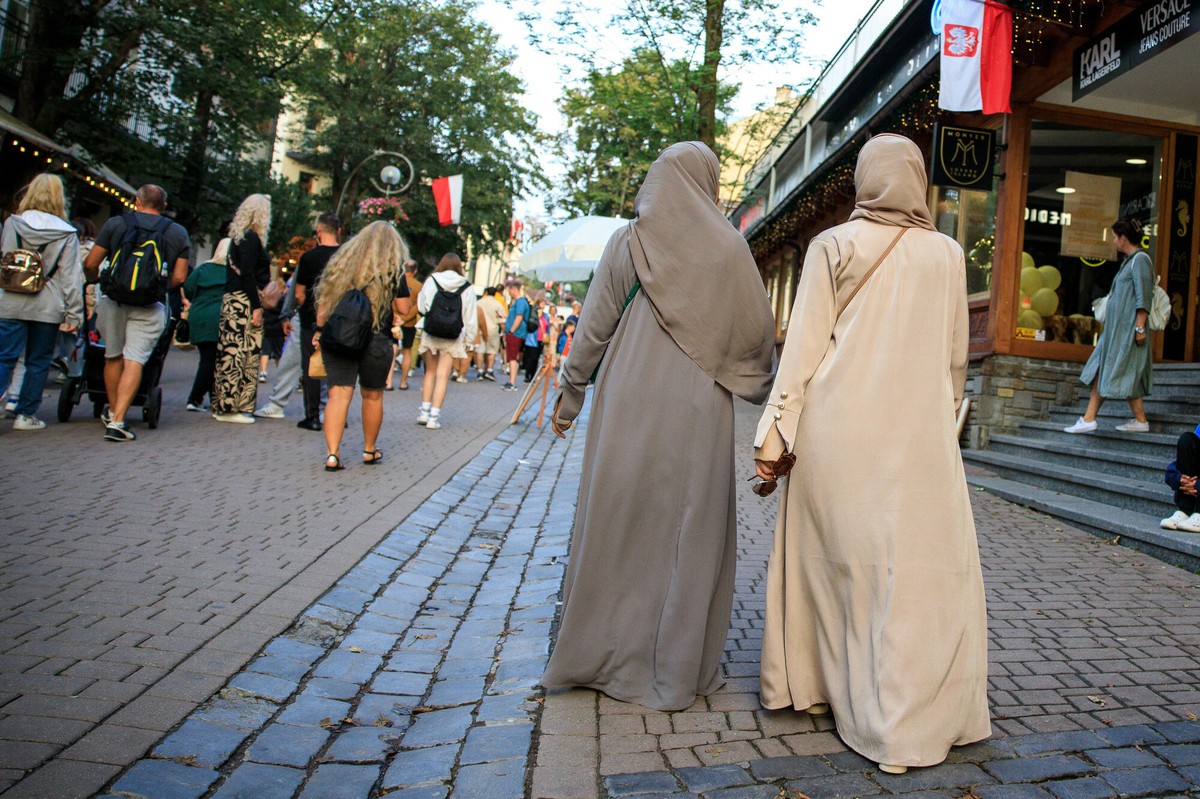
In recent years, tourists from this region constituted a significant part of visitors to Małopolska, including Zakopane – in some facilities near Giewont they accounted for as much as 80-90 percent. reservation.
In the longer term, however, there is an upward trend in bookings from Arab countries. The Tatra Chamber of Commerce emphasizes that there has been no significant decline in the number of reservations so far, although entrepreneurs are reporting increasing concerns.
— We receive signals from companies that mainly serve tourists from Arab countries. There are entities operating on the Podhale market in which 80-90 percent summer guests come from this region. They actually express concern about the further development of the situation. At the moment, however, we are not noticing any measurable declines in bookings and we are calmly monitoring the situation, Wagner notes.
He adds that not much time has passed since the outbreak of the conflict and there is no precise tourist data yet. – We are observing this situation without panicking – he emphasizes.
The tourism industry has experience of previous international tensions. — We remember that such violent geopolitical incidents tend to end just as suddenly. They cause temporary turbulence in air traffic, but so far similar events have not led to long-term changes, Wagner notes.
Of greater concern are the potential long-term effects of the conflict. — We are considering the broad perspective of tourism in the event of a long-term conflict or war, which will no longer directly affect air traffic, but may translate into oil and gas prices. A sharp increase in raw material prices may have serious consequences for the economy, inflation and the entire European tourism – says a representative of the Tatra Chamber of Commerce.
According to the industry, the coming weeks will be crucial to assess the actual impact of the international situation on the summer tourist season.